Q&A
Q&A #9: Viral Defense—Sulforaphane, NAC, Glutathione, & Vitamin D
Dr. Rhonda Patrick answers audience questions on various health, nutrition, and science topics in this Q&A session.
FoundMyFitness library
Ranked by shared topics, with one result from each original episode.
Q&A
Dr. Rhonda Patrick answers audience questions on various health, nutrition, and science topics in this Q&A session.

Episode
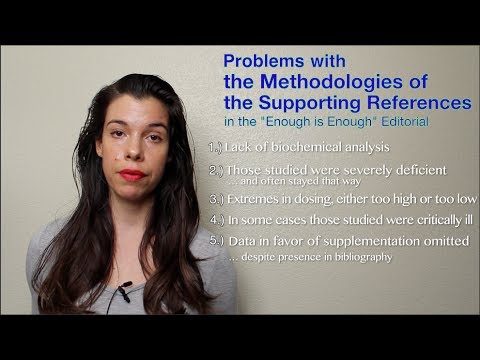
“In this podcast, we discuss and critically analyze a recent headline-grabbing editorial that was published in the Annals of Internal Medicine that reviewed three studies on the topic of multivitamins and chronic disease prevention. We analyze the important shortcomings of the studies and talk about the mechanism.”
Clip
“The main ingredient-interaction evidence concerns polyphenol oxidase. A small controlled crossover study found that a high-PPO banana smoothie greatly reduced circulating flavan-3-ol metabolites compared with a low-PPO berry drink or capsule control.”
Clip
“The Kuopio Ischemic Heart Disease Risk Factor Study, an ongoing prospective population-based cohort study of health outcomes in more than 2,300 middle-aged men from eastern Finland, identified strong, dose-dependent links between sauna use and reduced death and disease.”
Episode
“A staggering 60% of all calories Americans consume come from ultra-processed foods that fail to induce proper satiety, remain cheaper than whole foods, and hijack our dopamine reward pathways, pushing us to overeat, incentivizing unhealthy food choices, and reinforcing addictive eating behaviors.”
Clip
“The hydrolytic conversion of glucoraphanin to sulforaphane requires myrosinase, an enzyme co-located within the leaves, stems, and other components of the plants in which it is found. In humans, myrosinase-producing gut bacteria can convert unhydrolyzed glucosinolates to their cognate isothiocyanates, as well.”
Episode
“Based on findings from more recent studies using stable isotopes, which more accurately assess muscle protein anabolism and catabolism, Dr. Phillips believes that eating 1.2 to 1.6 grams of protein per kilogram of bodyweight (about 0.5 to 0.7 grams per pound) is likely optimal for muscle protein synthesis, especially as one ages.”
Episode
“There is so much to say when we talk about the NRF2 pathway and isothiocyanates like sulforaphane that we had to pack it into 47 minutes and break it into a few key sections. Key sections: For a more in-depth breakdown click the timeline link at the top of this page!”
Clip
“In contrast, a five-week trial in 181 people with diabetic polyneuropathy found that oral alpha-lipoic acid improved symptom scores, with more nausea, vomiting, and vertigo at higher doses. PQQ has a much smaller human evidence base.”
Clip
“The menus were matched for presented calories, energy density, total sugar, sodium, and fiber, but not added sugar: much more of the ultra-processed diet's sugar was added rather than contained in fruit. Protein was also only approximately matched, at about 14% versus 15.6% of calories.”