1
Collection
What FoundMyFitness Has Covered
PremiumVitamin A is important to immune defense, supporting maturation of innate immune cells and helping maintain protective skin and mucosal barriers. Deficiency may weaken vaccine responses and increase susceptibility to respiratory infections. Its transport in breast…
Your Premium Brief connects insights across FoundMyFitness to help you see the bigger picture.
Based on available source text from 9 of the first 10 results.
2
 Clip
Clip
Clip
Vitamin A deficiency can weaken the immune system | Rhonda Patrick
“Vitamin A is important for the maturation of various cells of the innate immune system. Vitamin A deficiency can impair protective barriers such as the skin and mucosal layers, can weaken the response to vaccination, and might predispose people to respiratory infections. In this clip, Dr. Rhonda Patrick discusses how vitamin A is involved in mounting an immune response.”
3
 Clip
Clip
Clip
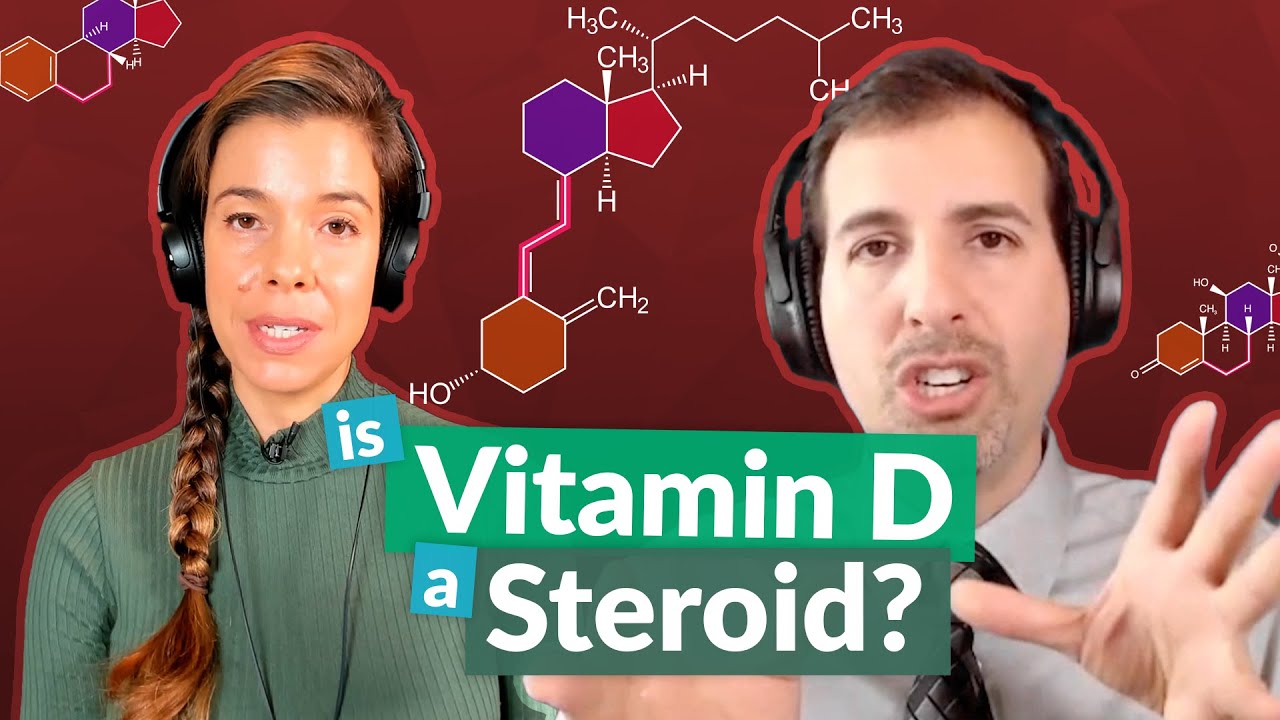
Is Vitamin D Actually a Steroid? | Roger Seheult
“The body produces vitamin D in the skin after exposure to ultraviolet light — therefore, it is not technically a vitamin. Rather it is a fat-soluble steroid hormone, similar in structure to other hormones, such as testosterone and estrogen.”
4
 Clip
Clip
Clip
Mendelian randomization, a powerful tool to assess the effects of low vitamin D | Roger Seheult
“Using a Mendelian randomization analysis, scientists determined that people carrying genetic variants associated with low vitamin D levels have higher mortality from respiratory tract infections and higher all-cause mortality.”
5
Topic
Topic
Zinc
“The duration of supplementation ranged from three weeks to five years with a maximum dose of 150 milligrams of elemental zinc per day. Sixteen studies supplemented with zinc alone and nine studies supplemented with zinc along with other vitamins and minerals.”
6
Topic
Topic
Microplastics
“Some research suggests that microplastic exposure can change the structure of beta-lactoglobulin, a protein in breast milk that helps transport nutrients like vitamin A, making it less effective.”
7
Topic
Topic
Vitamin C
“A meta-analysis of eight studies found that higher blood concentrations of vitamin C are linearly correlated with lower all-cause mortality risk. Furthermore, research indicates that vitamin C intake of 1,000 milligrams per day nearly maximizes blood concentrations.”
8
Topic
Topic
Multivitamins
“For example, correcting vitamin D and magnesium deficiencies can reverse epigenetic aging and protect against DNA damage. Diet should be the primary source of most of our nutrients, but it can be hard to obtain optimal nutrition through whole-food sources.”
9
Topic
Topic
Vitamin D
“Vitamin D participates in many aspects of bone health, including the aforementioned participation in calcium homeostasis. The most common form of age-related bone loss is osteoporosis, a condition characterized by low bone mass and structural deterioration of bone tissue.”
10
 Q&A
Q&A
Q&A
Premium
Q&A #53: The Saturated Fat Paradox in Cheese—Plus Ergothioneine as a Longevity Vitamin
Dr. Rhonda Patrick explores cheese's health impact, ergothioneine's longevity properties, sleep and joint supplements, and red light therapy in her latest Q&A.
Results 1–10 of 654