1
Collection
What FoundMyFitness Has Covered
PremiumTestosterone is shaped by lifestyle, body composition, exercise, and clinical context—not by a single universal intervention. Obesity is a major risk factor for functional secondary hypogonadism, and substantial weight loss can reverse it in some men;…
Your Premium Brief connects insights across FoundMyFitness to help you see the bigger picture.
Based on available source text from 9 of the first 10 results.
2

Aliquot
Premium
Aliquot #116: Testosterone Optimization Strategies for Men
“Testosterone is also a highly contested topic, especially in the context of resistance exercise, lifestyle, and managing low testosterone. In this Aliquot, Drs. Stuart Phillips, Peter Attia, and I discuss testosterone.”
3
 Episode
Episode
How To Increase Your Testosterone Levels Naturally | Derek from MPMD
“Supplementation has been shown to increase both total and free testosterone, particularly when combined with exercise training. Observational studies in older men also report strong correlations between magnesium status and testosterone concentrations.”
4
 Clip
Clip
Clip
How Testosterone Delivery Methods Shape Treatment
“Follow-up includes symptoms, adherence, adverse effects, serum testosterone, hematocrit, and prostate-risk assessment when appropriate. Large studies provide useful cardiovascular context for appropriately selected men with hypogonadism.”
5
 Clip
Clip
Clip
Lifestyle Factors That Influence Testosterone
“Derek explains how excess adipose tissue can alter feedback between testosterone and estrogen, and how fat loss may help restore a healthier balance. A clinical review identifies obesity as a major risk factor for functional secondary hypogonadism and reports that substantial weight loss can reverse it in some men.”
6
 Clip
Clip
Clip
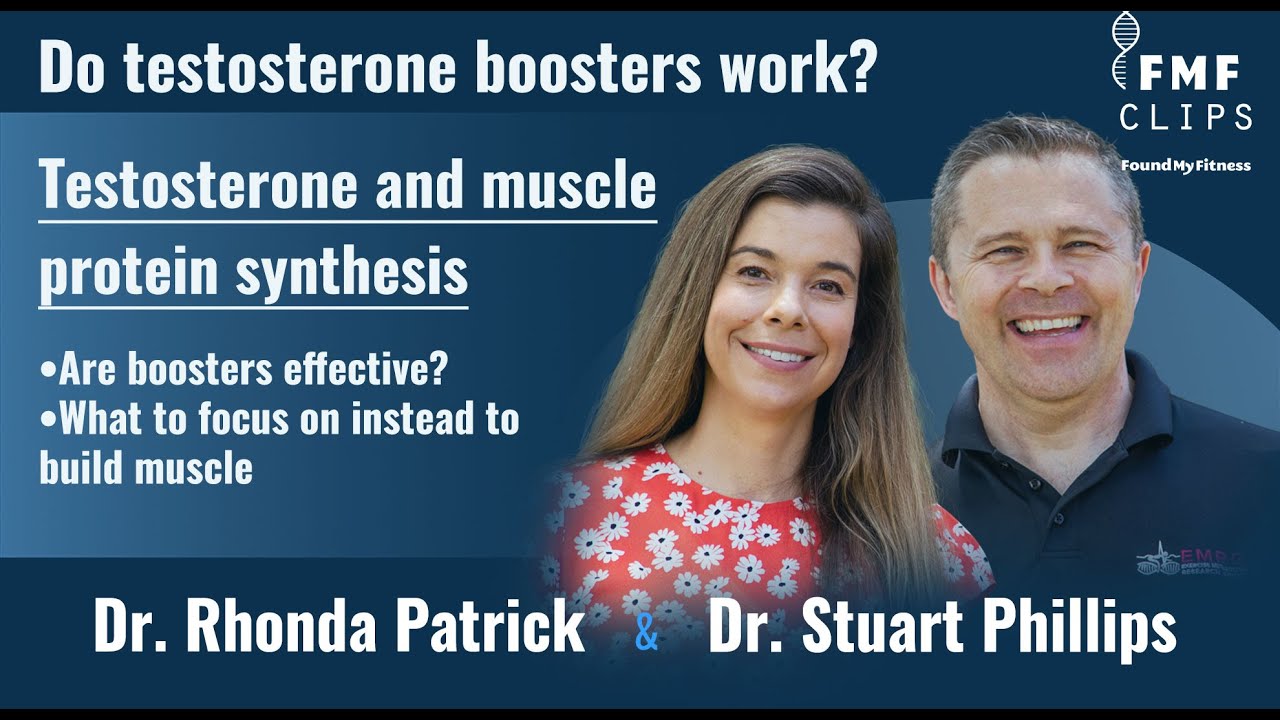
Do testosterone boosters work? | Dr. Stuart Phillips
“Many testosterone boosting agents are on the market, but Dr. Phillips states they are ineffective, and it's better to focus on resistance exercise. In this clip, Dr. Stuart Phillips outlines steroid biochemistry and why he thinks testosterone boosters don't work.”
7
 Clip
Clip
Clip
How Symptoms and Delivery Methods Shape Testosterone Therapy
“In this FoundMyFitness interview clip, Dr. Peter Attia defines low testosterone through symptoms plus plausible laboratory findings, not one cutoff. Free testosterone is estimated, androgen-receptor response varies, and he describes a supervised trial with withdrawal when benefit is not clear.”
8
 Clip
Clip
Clip
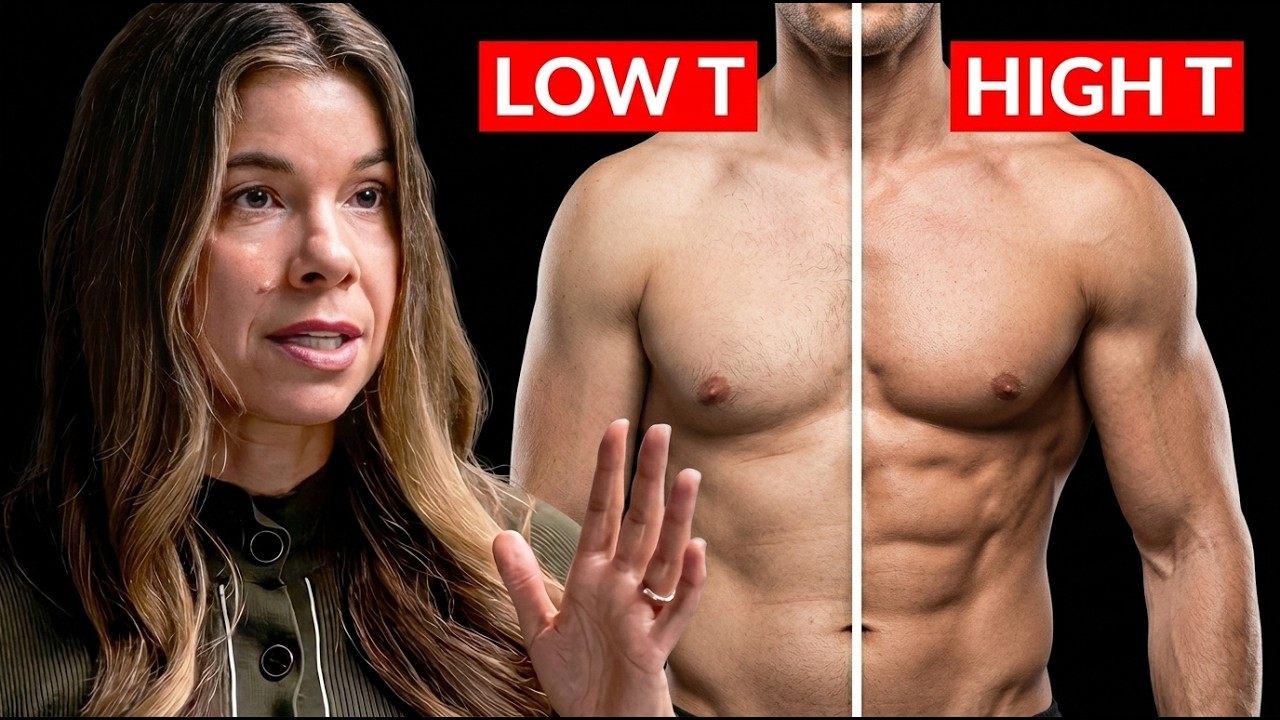
How Endocrine-Disrupting Chemicals May Affect Testosterone
“BPA and phthalates can interact with hormone-related biological pathways. Human studies have associated higher urinary BPA with lower testosterone in male adolescents, while a broader meta-analysis linked selected phthalate biomarkers with changes in male reproductive hormones.”
9
 Clip
Clip
Clip
BPA, Phthalates, and Testosterone: What Human Studies Show
“Dr. Patrick also examines BPA and phthalates, chemicals that can interact with endocrine pathways and occur in some plastics, packaging, medical products, and personal-care products. Human studies have associated BPA biomarkers with testosterone and sperm measures, although results differ across populations.”
10
 Clip
Clip
Clip
How Zinc, Vitamin D, and Magnesium Relate to Testosterone
“Vitamin D participates in endocrine signaling and gene regulation, but supplementation does not reliably raise testosterone. In three small trials of men with normal baseline testosterone, vitamin D supplementation did not increase circulating testosterone.”
Results 1–10 of 168