Q&A
Q&A #36: How Much Protein After 50?—Sources, Timing, & Leucine
Dr. Rhonda Patrick answers audience questions on various health, nutrition, and science topics in this Q&A session.

Search could not finish. Try again.
Found 589 matches across the FoundMyFitness library.
Q&A
Dr. Rhonda Patrick answers audience questions on various health, nutrition, and science topics in this Q&A session.
Clip
“Following an "interrupted" pattern of reprogramming where cells retain their cellular identity, rather than cross-differentiating to a different lineage or reverting to a stem cell, may allow a type of epigenetic return to youthfulness, but without the cellular identity crisis.”
Clip
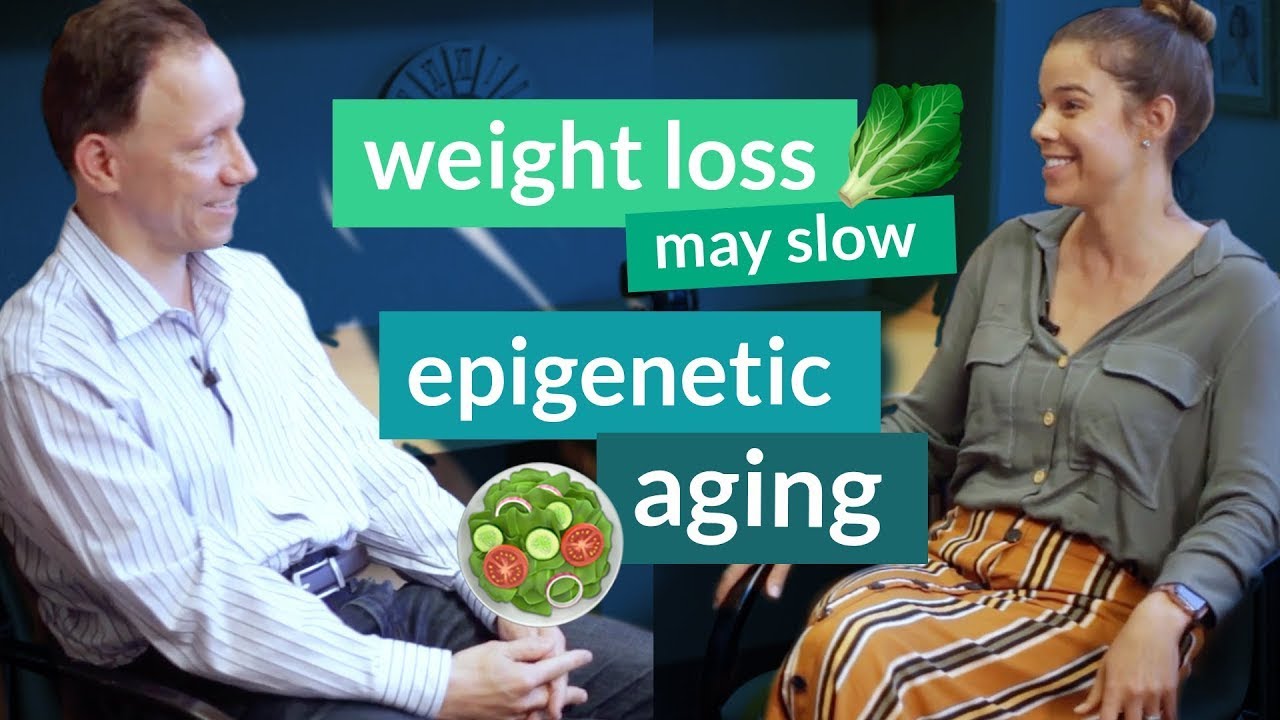
“Conversely, animal studies suggest that caloric restriction may slow epigenetic aging. In this clip, Dr. Steve Horvath describes research suggesting that caloric restriction in animals, although it is unclear this will translate to humans.”
Clip
“The link between obesity and behavioral cognitive problems is likely mediated by elevated inflammation since fat cells are significant producers of inflammation. Recent studies have connected cognitive-behavioral disturbance, body mass index, and inflammation.”
Clip
“Continued physical, social, and intellectual engagement offers a practical way to support multiple parts of peakspan throughout later life, while the framework helps people think about function one domain at a time.”
Clip
“A critical element in the mechanisms that regulate autophagy is the cell’s ability to sense changes in cellular levels of acetyl CoA, an end product of nutrient metabolism. When mice or humans are deprived of nutrients, protein deacetylation – which often coincides with autophagy – begins to occur on the organism-wide level.”
Clip
“The stability of DNA methylation patterns - in terms of sample reliability - makes the use of epigenetic clock data an attractive tool in the hands of researchers investigating aging around the world.”
Clip
“Vitamin D and a home exercise program added benefit on one clock. Separate analyses found lower odds of prefrailty and fewer invasive cancers with the full three-part intervention, making the combined healthy-aging approach a useful area for continued study.”
“Although many supplement manufacturers do not take steps to preserve the integrity of their products and some have made misleading claims about their products' efficacy, a few reputable manufacturers produce quality supplements that have been used in clinical trials.”
Clip
“Other observational research in women has associated healthier dietary patterns with modestly lower acceleration on PhenoAge and GrimAge, while large prospective studies associate greater fruit and vegetable intake with lower cardiovascular and all-cause mortality.”
Results 421–430 of 589
Premium Members received this study with Rhonda’s practical commentary and 8+ other hand-picked papers. Get the Science Digest delivered every other week.
Every other week our Premium Members receive deep dives like this alongside Rhonda's commentary and 8+ other hand-picked papers.