Q&A
Q&A #9: Viral Defense—Sulforaphane, NAC, Glutathione, & Vitamin D
Dr. Rhonda Patrick answers audience questions on various health, nutrition, and science topics in this Q&A session.
Search could not finish. Try again.
Found 692 matches across the FoundMyFitness library.
Q&A
Dr. Rhonda Patrick answers audience questions on various health, nutrition, and science topics in this Q&A session.

Clip
“Three COSMOS cognitive substudies found small improvements in global cognition and episodic memory among older adults who received a standard multivitamin. Vitamin D supplementation can help correct low vitamin D status, which is influenced by sun exposure, skin pigmentation, season, latitude, and other factors.”
“They categorized the patients according to the severity of their disease (mild, severe, critical, fatal) and measured the concentrations of various micronutrients (vitamins A, C, D, and E) in their blood samples.”
Q&A
Dr. Rhonda Patrick discusses if smoked salmon is carcinogenic, high-dose melatonin, creatine on workout vs. non-workout days, and the Neurocode brain scan.
Clip
“A second randomized trial found that a single vitamin D3 dose taken with food increased vitamin D status, with a larger rise when the meal contained at least 15 grams of fat. These findings support taking vitamin D with a meal that contains some fat.”
Q&A
Dr. Rhonda Patrick explores cheese's health impact, ergothioneine's longevity properties, sleep and joint supplements, and red light therapy in her latest Q&A.
Clip
“Dr. Patrick also discusses vitamin D and potassium as nutrients that are commonly worth assessing. Vitamin D status varies with sun exposure, diet, skin pigmentation, age, and body composition, while potassium-rich foods help support blood-pressure regulation.”
Clip
“Oral glutathione can increase levels in blood and cells, while vitamin D3 generally raises blood vitamin D more effectively than vitamin D2. Evidence also depends on the goal and population.”
Clip
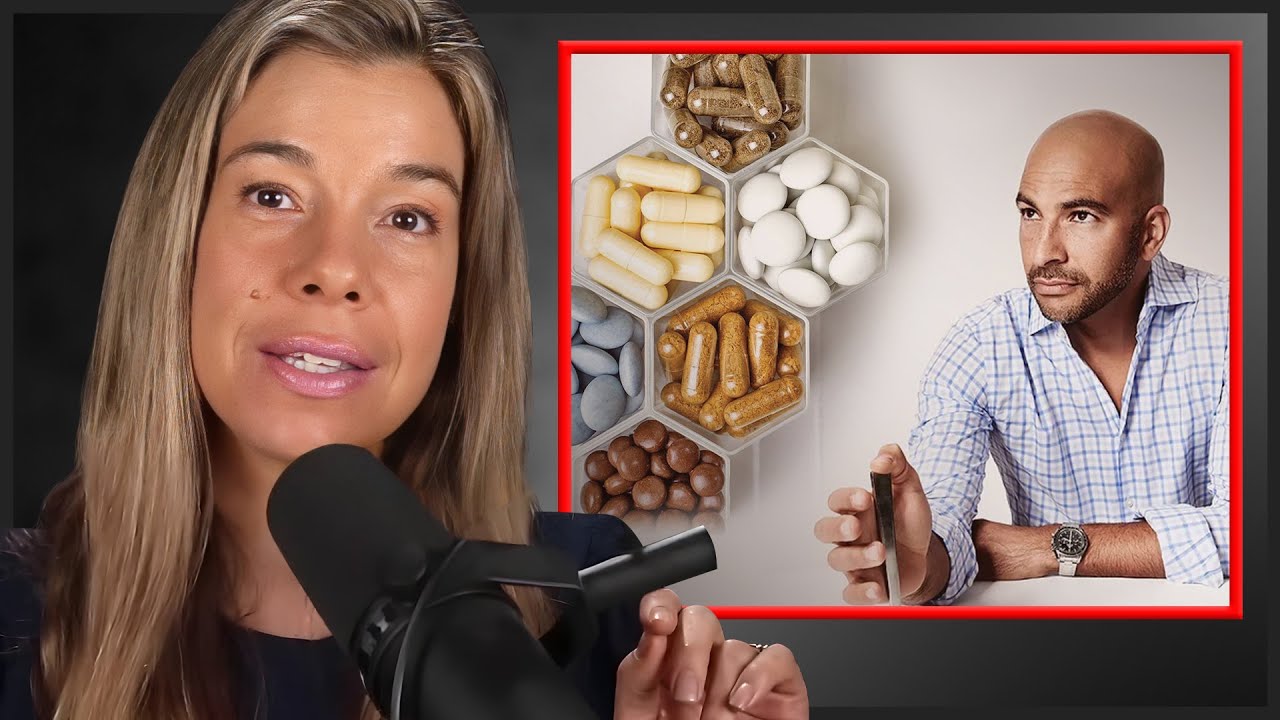
“She describes her own omega-3, magnesium, B-vitamin, and other choices in the context of diet, laboratory values, exercise, and tolerance. The comparison includes dose differences rather than treating a shared ingredient name as equivalent exposure.”
Clip
“Gene polymorphisms, small changes in an organism's DNA sequence, can affect the absorption and metabolism of nutrients, including vitamins and minerals. A polymorphism in the MTHFR gene that decreases enzyme activity leads to inefficient folate metabolism.”
Results 71–80 of 692
Premium Members received this study with Rhonda’s practical commentary and 8+ other hand-picked papers. Get the Science Digest delivered every other week.
Every other week our Premium Members receive deep dives like this alongside Rhonda's commentary and 8+ other hand-picked papers.