1
Collection
What FoundMyFitness Has Covered
PremiumStress is not a single biological signal: its effects depend on the stressor, duration, and context. Chronic psychological or toxic stress—especially when it sustains worry or rumination—is associated with inflammation, accelerated biological aging, and shortened telomeres;…
Your Premium Brief connects insights across FoundMyFitness to help you see the bigger picture.
Based on available source text from 6 of the first 10 results.
2
Collection
3
Collection
4
 Clip
Clip
Clip
How Stress Can Change Magnesium Balance
“She also describes changes in circulating or urinary magnesium during sleep loss, exam stress, anticipated conflict, noise exposure, and exercise. These measurements do not establish that every stressor depletes total-body magnesium.”
5
Episode
Episode
Buffering the Negative Effects of Chronic Stress with Meditation
“However, chronic psychological stress can have negative effects on the brain and body and accelerates the aging process. Engaging in mindful meditation promotes healthy stress coping mechanisms, decreases rumination, and slows brain and biological aging.”
6
 Episode
Episode
Dr. Mark Mattson on the Benefits of Stress, Metabolic Switching, Fasting, and Hormesis
“Dysregulation of glucocorticoid receptors promotes inflammation, a driver of many diseases. During periods of intense psychosocial stress, glucocorticoid receptors increase in the brain, but mineralocorticoid receptors decrease.”
7
Collection
8
 Clip
Clip
Clip
How different types of stress affect telomere length and aging | Elissa Epel
“People who experience toxic stress often develop a profile of perseverative cognition – a prolonged response to stress that manifests as worrying or rumination and is characterized by accelerated biomarkers of aging, shortened telomeres, and inflammation.”
9
 Clip
Clip
Clip
How fasting affects women's hormones and stress hormones | Dr. Mark Mattson
“The safety of intermittent fasting in adolescent girls with or without being overweight has not been studied. While intermittent fasting does increase stress hormones in animal studies, this stress response promotes longevity, unlike the response to chronic, uncontrolled stress.”
10
 Clip
Clip
Clip
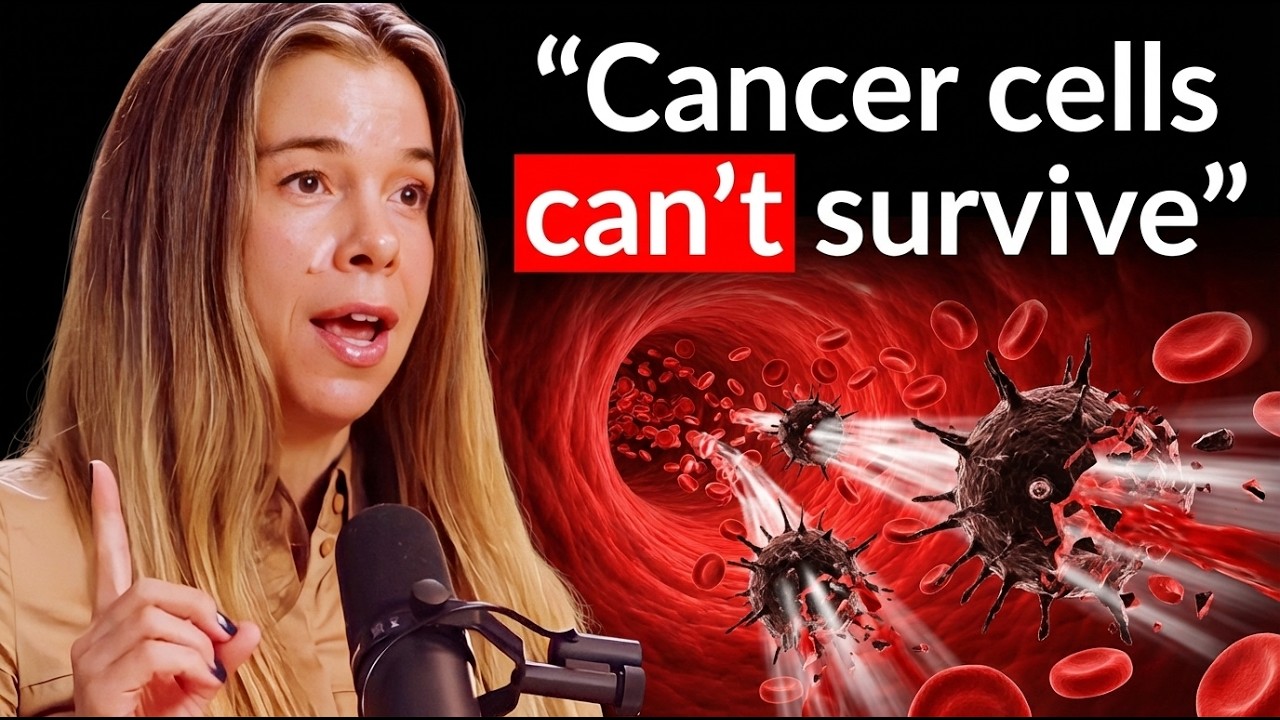
How Exercise-Driven Shear Stress Affects Arteries and Tumor Cells
“In this FoundMyFitness Journal Club clip, Dr. Rhonda Patrick and Brady Holmer explain how faster blood flow creates shear stress along the endothelium, stimulating nitric oxide signaling, vasodilation, and vascular adaptation.”
Results 1–10 of 956