Tissue Repair
Episodes
Recovery is essential to any fitness routine, allowing the body to heal, rebuild, and grow stronger after workouts. But it involves more than...
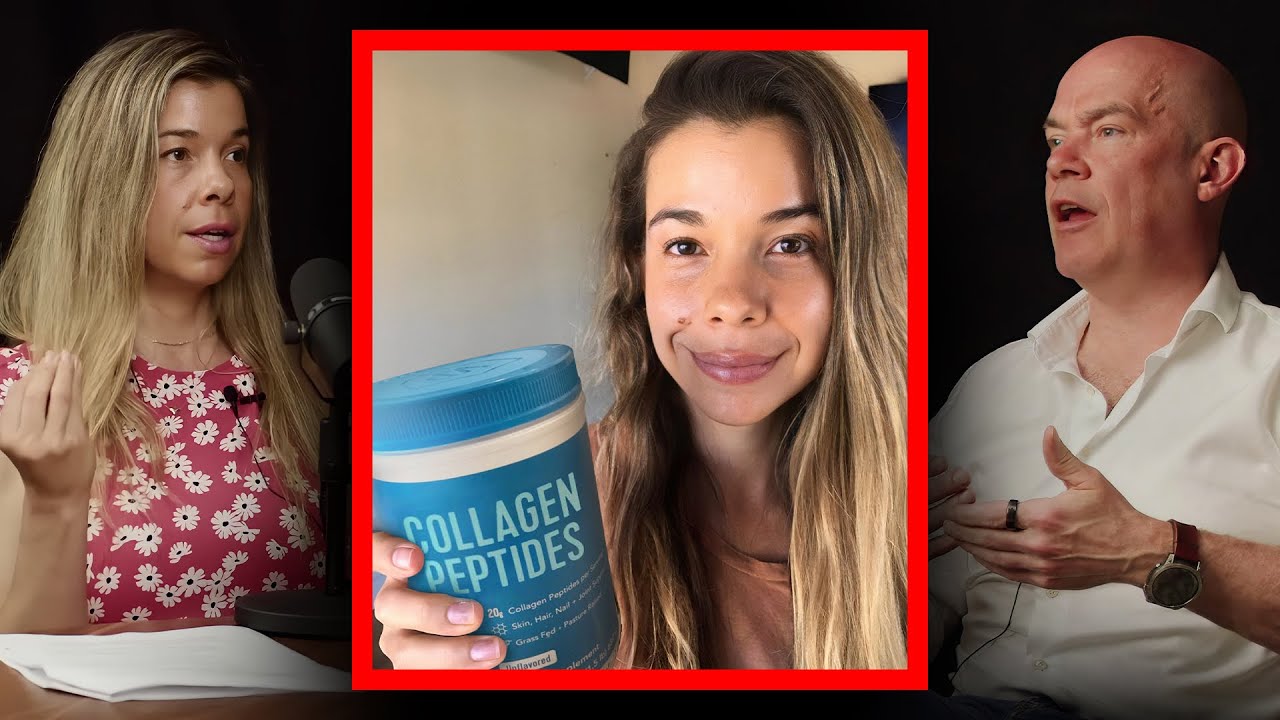
Dr. Luc van Loon examines collagen digestion, tissue turnover, and where human evidence for collagen supplements remains limited.
Adequate, quality sleep is essential for the body's recovery and repair, promoting optimal physical and mental health. Getting a good night's sleep can be ch...
-
Recovery is essential to any fitness routine, allowing the body to heal, rebuild, and grow stronger after workouts. But it involves more than...
-
Dr. Luc van Loon examines collagen digestion, tissue turnover, and where human evidence for collagen supplements remains limited.
-
Adequate, quality sleep is essential for the body's recovery and repair, promoting optimal physical and mental health. Getting a good night's sleep can be ch...
-
Photobiomodulation (PBM) involves using light therapy, such as red light, laser, or infrared therapy, to stimulate, heal, regenerate, and protect the body. F...
-
Although people experience muscle soreness to varying degrees, soreness is perfectly normal after training and typically occurs following exposure to novel s...
-
In this clip, Dr. George Church discusses how engineering animal organs may make them suitable for human transplant.
-
Techniques that differentiate or transdifferentiate cells, such as fibroblasts into neurons, reveal interesting effects on epigenetic age.
-
The epigenetic clocks of transplanted cells and their descendants synchronize with the donor, offering promise for human rejuvenation.
-
In this clip, Dr. Peter Attia explains the importance of the amino acid leucine and its role in the mTOR pathway.
-
Dr. Valter Longo on Resetting Autoimmunity and Rejuvenating Systems with Prolonged Fasting & the FMDFasting Cancer Obesity Aging Heart Disease Diabetes Insulin Resistance Inflammation Stem Cells Immune System Tissue Repair Autophagy Apoptosis Insulin AutoimmunityDr. Valter Longo discusses fasting as a means to treat or prevent age-related diseases such as cancer, Alzheimer’s disease, and others.
Topic Pages
News & Publications
-
Delayed-onset muscle soreness (DOMS) can emerge after strenuous exercise and leave muscles sore and weaker for days. A new meta-analysis asked whether targeted light-based therapy could reduce that soreness or preserve muscle strength during recovery.
The evidence came from 13 randomized trials comparing photobiomodulation therapy (PBMT), applied before or after exercise, with sham light treatment. Muscle recovery was assessed using self-reported soreness, algometry, which measures the pressure at which pain is first felt, and peak torque, the greatest rotational force produced during a muscle contraction. PBMT is an umbrella term for distinct treatment protocols that use low-level lasers or LEDs to expose tissue to red or near-infrared light, rather than a single standardized treatment. The evidence focused mainly on healthy, active men and lower-limb muscles, with fewer studies involving women or other participant groups. The studies also varied in whether they used laser therapy, LED therapy, or a combination of both.
- Peak torque was higher with PBMT than with sham treatment: immediately after exercise and at 24, 48, 72, and 96 hours.
- PBMT groups reported less soreness than sham groups immediately after exercise and at 24 hours. There were no clear differences between the groups at 48, 72, or 96 hours.
- Algometry showed higher pressure-pain thresholds with PBMT than with sham treatment immediately after exercise and at 48, 72, and 96 hours, but no clear difference at 24 hours.
- Exploratory dose comparisons did not show a consistent relationship between PBMT dose, expressed as the total energy delivered to each treated site, and treatment effect. Some studies reported favorable results at doses of 300 joules per treated muscle area for self-reported soreness, 180 or 300 joules for algometry, and 180–300 joules for peak torque.
One possible explanation for these findings is that the photons delivered through PBMT may be absorbed by cytochrome c oxidase, an enzyme found in mitochondria, the parts of cells that help convert nutrients into usable energy. This may alter several linked mitochondrial processes in ways that could support energy metabolism during recovery, allowing mitochondria to work more efficiently and provide recovering tissue with more energy. These mitochondrial effects may occur alongside other changes involving inflammation, local circulation, or sensitivity to pain.
These findings should be interpreted cautiously because PBMT treatment parameters varied substantially across studies and may influence its biological effects. Overall, the study suggests that PBMT may aid recovery, but the findings do not support a single standardized regimen for all populations, muscle groups, or treatment settings. Visit our PBMT topic page for an overview of its mechanisms, potential benefits, and clinical applications.
-
Vitamin C and scar strength: analysis of a historical trial and implications for collagen-related pathologies academic.oup.com
Re-analysis of landmark vitamin C trial data reveals current recommendations for intake may be too low for optimal health.
During World War II, researchers in England conducted an experiment to determine the level at which vitamin C depletion causes scurvy, a potentially life-threatening collagen-related disorder. A re-analysis of these findings calls into question current recommendations for vitamin C intake.
The study involved 20 healthy men who had been fed a diet providing 60 to 70 milligrams of vitamin C daily for about one month. The researchers randomly assigned the men to receive zero, 10, or 70 milligrams of vitamin C daily. Because vitamin C plays such an important role in wound healing, the researchers subjected the participants to experimental wounds and then assessed the scar strength to gauge the effects of depletion. They concluded that a dose of 10 milligrams of vitamin C daily was sufficient for optimal scar strength. The study’s findings formed the basis of public health recommendations that soon followed and, in some countries, are still observed today.
However, the authors of the present-day article posited that the data analysis from the World War II-era study was flawed. They subjected the data to a new analysis, which revealed that the daily intake of vitamin C for providing adequate scar strength is 95 milligrams – twice the amount recommended by the World Health Organization and the National Health Service of the United Kingdom.
These findings suggest that the landmark study on which some public health recommendations base their recommendations for vitamin C intake grossly underestimated the dose required for wound healing and optimal health. Learn more about vitamin C in our overview article.
-
Spinal cord injuries typically cause irreversible loss of sensation and function below the site of injury. Approximately 17,000 people living in the United States will experience traumatic spinal cord injury in any given year. Findings from a new study in mice suggest that a designer cytokine can restore spinal cord function.
Cytokines are a broad category of naturally occurring small proteins that are important in cell signaling. They are released by cells and influence the behavior of other cells. Designer cytokines are genetically engineered proteins that perform specific functions. The authors of the study engineered hyper-interleukin-6, a cytokine that has been shown to regrow neurons of the visual system.
The study involved mice that had sustained a spinal cord injury and were paralyzed. The authors of the study used viral gene therapy to induce hyper-interleukin-6 production in the animals' damaged neurons.
They found that the hyper-interleukin-6 production caused the axons of various nerve cells in the brain and spinal cord to regenerate within one week of gene therapy. Within two to three weeks post-procedure, the mice began to walk again.
These findings suggest that delivery of a designer cytokine via gene therapy shows promise as a strategy to restore sensory and functional losses after spinal cord injury in mice.
-
Fish oil omega-3 normalizes BDNF levels in the hippocampus and improves cognitive function in animal model of traumatic brain injury www.liebertpub.com
From the publication:
Our finding that supplementation of omega-3 fatty acids normalizes the protein levels of BDNF after TBI suggests that BDNF mediates the beneficial effects of omega-3 fatty acids on cognitive function.
[…]
It is notable that fish oil supplementation increased BDNF but did not affect cognitive function in intact rats. It is possible that slight changes in BDNF may not significantly affect cognition under normal conditions. It seems likely, however, that under pathological weakness small decreases in BDNF can be a factor to further deteriorate cognitive function. This eventual possibility emphasizes the necessity to use therapeutic means, such as dietary supplementation of fish oil, to maintain normal levels of BDNF under challenging conditions.
Mitigation of oxidative stress as a mechanism of increased BDNF:
It has been shown that TBI can result in cumulative ROS, which may be associated with reduction of BDNF. Thus, DHA may help to counteract elevated levels of ROS with subsequent effects on the action of BDNF on synaptic plasticity and cognition after TBI.
-
BDNF delivery via hydrogel improves respiratory function in rats with spinal cord injury. www.sciencedaily.com
Approximately 17,000 people living in the United States will experience traumatic spinal cord injury in any given year. A severe complication associated with spinal cord injury is the loss of respiratory function, which often occurs due to paralysis of the diaphragm muscle. A 2018 study showed that BDNF delivery to the injured spinal cord improved respiratory function in rats.
Previous research has demonstrated that systemic delivery of neurotrophic factors is associated with many undesirable side effects, such as muscle spasms and chronic pain, and exerts reduced efficacy. The authors of the current study used a water-based gel to deliver a solution of polysaccharide-BDNF particles to spinal cord-injured female rats. This delivery mode keeps the BDNF at the site of injury instead of allowing it to become more widely distributed. Then they measured the action potential in the rats' diaphragm muscle.
They found that the BDNF hydrogel improved diaphragm muscle contractility by more than 60 percent, likely due to BDNF-mediated protection and/or restoration of neurons that innervate the diaphragm.
These findings suggest that targeted delivery of BDNF is a viable strategy for preserving respiratory function following traumatic spinal cord injury.
-
Aging is the progressive accumulation of damage that occurs to an organism over time, eventually leading to disease and death. Findings from a new study suggest that diluting the blood of old mice can reverse some of the deleterious effects of aging.
Previous studies have shown that therapeutic plasma exchange via heterochronic parabiosis, a procedure in which two organisms of different ages are joined so that they share a common blood supply, elicits improvements in the older organism and declines in the younger, suggesting that young blood rejuvenates whereas old blood deteriorates. Similar effects have been observed in studies in which blood between old and young organisms was transfused, without the need for joining the two.
The authors of the new study capitalized on these findings. Over a period of 30 minutes, they gradually replaced half of the platelet-rich plasma in old and young mice with a saline and albumin solution, effectively diluting the plasma and compensating for any albumin losses. Six days later, they assessed the effects of the dilution on aspects of muscle, brain, and liver health.
Diluting the blood of old mice enhanced muscle repair, increased neurogenesis in the hippocampus, and decreased fat stores and fibrosis in the liver – recapitulating the effects of heterochronic blood exchange. The overall composition of the blood proteins shifted toward a more favorable one that coordinated tissue maintenance and improved immune responses. The procedure had no effects on the young mice.
The authors of the study suggested that there are proteins in old blood that are responsible for accelerating aging. Diluting plasma altered cell signaling pathways, subsequently influencing the expression of genes involved in aspects of physiological functioning. They further suggested that this type of procedure could be used to promote health and longevity in humans.
-
Why is Stem Cells Therapy Good for Anti Aging? - Stemfinitycord Malaysia stemfinitycord.co
Stem cell therapy is a type of cell therapy where stem cells are introduced into the damaged tissue to treat the disorder or the injury. Mesenchymal stem cells (MSCs) are used in most stem cell therapy. They’re non-hematopoietic cell precursors initially found in the bone marrow, but actually present in many other tissues. Mesenchymal stem cells (MSCs) in culture are adherent, proliferating, and capable of multilineage differentiation into several tissues of mesenchymal origin, such as bone marrow stroma, adipose tissue (body fat), bone, cartilage, tendon, skeletal muscle and etc.
So Why is Stem Cells Therapy Good for Anti Aging?
In short, stem cells therapy was heavily emphasised to have the capacity to repair, renew and replace damaged tissue is a good anti aging treatment.
As shown below are the functions of Mesenchymal stem cells (MSCs) therapy: - Help facilitate growth of new blood vessels, a process known as angiogenesis which leads to improved blood flow in tissue - An anti-inflammatory effect which fastens wound healing - After aiding wound healing, it helps in reducing size of scarred tissue such as infected cardiomyocytes (heart cells) or wound to joint injury - Repair of damaged tissue which then leads to renewal of healthy tissue - Relief if symptoms related to any chronic diseases - Vast improvement in the immune system against disease - Better digestion and elimination of constipation - More flexible joints and discs - Improvement in skin elasticity and thickness - Reducing facial pigmentation, and adding a glow to your skin - Diminishing fine lines and wrinkles - Improving skin complexion - Tightening and shrinking open pores - Removing dark circles
No more joints problems, no more constipation, better appearance, overall human health improves!
The list is non-exhaustive when it comes to stem cells therapy. All these benefits brought by stem cells therapy are exactly the definition of anti aging if not reviving old age.
Visit more information on: http://stemfinitycord.co/