Q&A
Q&A #9: Viral Defense—Sulforaphane, NAC, Glutathione, & Vitamin D
Dr. Rhonda Patrick answers audience questions on various health, nutrition, and science topics in this Q&A session.

FoundMyFitness library
Ranked by shared topics, with one result from each original episode.
Q&A
Dr. Rhonda Patrick answers audience questions on various health, nutrition, and science topics in this Q&A session.
Episode
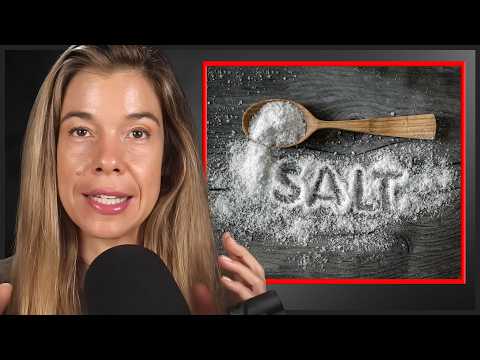
“Whereas its link to diabetes is well known, what is likely underappreciated is that refined sugar may be linked to as many as 200,000 deaths worldwide each year from diabetes, cardiovascular disease, and cancer combined. Refined sugar also affects the brain.”
Episode
“Diamandis and Robbins are a dynamic duo, having paired up with co-author Dr. Robert Hariri to write Life Force, a best-selling book that describes breakthroughs in precision medicine and health technologies that can help people live longer, healthier, more fulfilling lives – in the very near future.”
Clip
“Prolonged endurance exercise, heavy sweating, sauna use, and a minimally processed diet can also increase the practical need to replace electrolytes, which is different from routinely adding large doses for a sedentary person eating processed foods.”
Episode
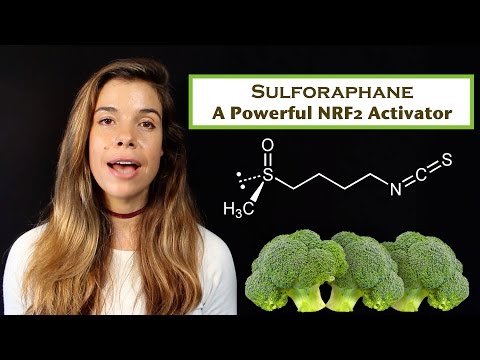
“There is so much to say when we talk about the NRF2 pathway and isothiocyanates like sulforaphane that we had to pack it into 47 minutes and break it into a few key sections. Key sections: For a more in-depth breakdown click the timeline link at the top of this page!”
Clip
“Uric acid adds another long-range signal. In the Swedish AMORIS cohort, 1,224 people who reached age 100 tended to have lower midlife glucose, creatinine, and uric acid than peers who did not become centenarians.”
Clip
“A national survey analysis estimated 2.6% severe deficiency, 22% moderate deficiency, and 40.9% insufficiency among US adults, although prevalence changes with the threshold used. These categories should remain distinct because insufficiency is not the same as clinical deficiency.”
Clip
“A 2025 meta-analysis found improved quality of life, no clear overall change in ejection fraction, and a borderline improvement in New York Heart Association functional class across a small set of trials.”
Clip
“In this clip from Q&A #68, Dr. Rhonda Patrick compares stearic, palmitic, myristic, and lauric acids and explains why chocolate, cheese, butter, and coconut oil can produce different lipid responses.”