• Episodes
  • Topics
  • AMA
  • Science Digest
  • The Aliquot
  • Genetics
Sign in Become a member
Search
Back to episode

FoundMyFitness library

Related Episodes for How To Use Coffee To Live Longer (Full Guide & Research)

Ranked by shared topics, with one result from each original episode.

81
Aliquot Premium

Aliquot #95: My Current Diet and Supplement Blueprint (2023)

Oct 3, 2023

“As research progresses, my dietary and supplement habits adapt. At times, it's the ineffable quality of consciousness, submerged in a mental calculus of cost-benefits, that nudges a change of heart. Other times, it's the stark contradiction of new data that compels a shift.”
aliquot vitamin d diet omega-3
Duration: 38m 2s
82
Aliquot Premium

Aliquot #99: The Science of Meal Timing: Can the Clock Influence Nutritional Impact? (TRE Series Part 2)

Dec 4, 2023

“Time-restricted eating involves consuming meals within a specific daily time window. However, choosing the optimal time frame for that window is influenced by many factors, the most important of which is circadian rhythmicity, which alters our body's metabolic responses to food.”

aliquot diet metabolism fasting
Duration: 31m 26s
83
Clip
Clip

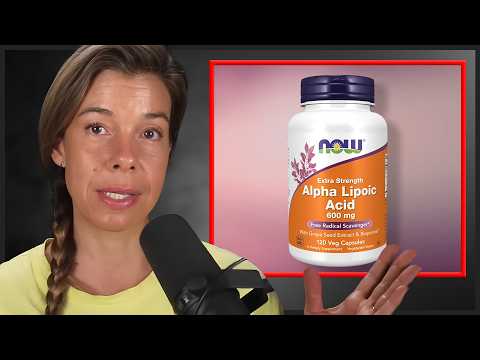
What Alpha-Lipoic Acid May Do for Metabolic Health

Nov 18, 2024

“A four-week pilot study in people with type 2 diabetes reported improved insulin-stimulated glucose disposal after oral alpha-lipoic acid, while a three-week randomized trial found that intravenous 600 milligrams per day reduced diabetic neuropathy symptoms.”

supplements brain metabolism insulin resistance
Watch clip
84
Clip
Clip

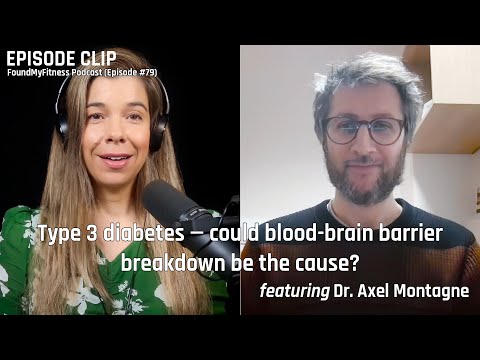
"Type 3 diabetes" — could blood-brain barrier breakdown be the cause? | Axel Montagne, Ph.D.

Mar 25, 2023

“Animal studies indicate that omega-3 deficiency may also reduce GLUT1 transporters in the brain. Other studies suggest that omega-3 supplementation reduces VCAM1 levels – a protein elevated with normal aging, which could be related to the breakdown of the blood-brain barrier.”

blood-brain barrier brain diabetes
Watch clip
85
Clip
Clip

How ApoB Drives Atherosclerosis and Responds to Diet

Jan 2, 2024

“Consensus evidence supports ApoB as a causal risk factor, but Dr. Attia’s proposed 10–30 mg/dL physiological range and treatment targets are attributed opinions, not universal guideline targets. Diet can change ApoB through several pathways.”

cardiovascular diet cholesterol saturated fat
Watch clip
86
Clip
Clip

APOE 3/4 and APOB and their influence on Alzheimer’s and cardiovascular disease | Peter Attia

Feb 11, 2020

“Approximately 25 percent of people living in the United States carry a genetic variant of this lipoprotein called APOE4, which is associated with higher circulating levels of LDL cholesterol and an increased risk for Alzheimer's disease.”

alzheimer's brain aging cardiovascular
Watch clip
87
Clip
Clip

APOE4 gene and associated risk for Alzheimer's disease | Dale Bredesen

Jul 12, 2019

“Approximately 25 percent of people in the United States – roughly 75 million people – carry a genetic variant of this lipoprotein called APOE4, which is associated with higher circulating levels of LDL cholesterol and an increased risk for Alzheimer's disease.”

alzheimer's brain metabolism inflammation
Watch clip
88
Clip
Clip

Can someone with an APOE4 genotype follow a ketogenic diet? | Dominic D'Agostino

May 17, 2022

“The ketogenic diet is contraindicated in people with pancreatitis, fat metabolism disorders, and other rare metabolic conditions. Some people carry a version of the apolipoprotein E gene called APOE4 – a risk factor for late-onset Alzheimer's disease.”

ketogenic diet alzheimer's diet metabolism
Watch clip
89
Clip
Clip

Are statins over-prescribed? | Ronald Krauss

Apr 3, 2022

“Dr. Krauss explains how some people might be inappropriately prescribed statins while other people should be taking statins. In addition, his current research is investigating whether statins can increase the risk of diabetes, especially for women.”

cholesterol diet heart disease diabetes
Watch clip
90
Clip
Clip

Artificial sweeteners and emulsifiers may affect people differently: differences in gut bacteria

Feb 21, 2022

“Microbial responses to individual components of a person's diet may influence host health. Food ingredients, such as artificial sweeteners and dietary emulsifiers, are typically thought to be inert, however, recent evidence suggests they impact gut microbes, ultimately influencing human health.”

microbiome diet obesity
Watch clip
Load more related episodes

Explore More

  • Home
  • Episodes
  • Membership
  • The Aliquot
  • About
  • Healthspan Gear
  • Genetics

Our Mission

Promoting strategies to increase healthspan, well-being, cognitive and physical performance through deeper understandings of biology. Learn more about Dr. Rhonda Patrick.

Questions?

Send us a message here

Search

Follow us here

  • Instagram
  • Twitter
  • Facebook

Watch and listen

  • YouTube
  • Apple Podcasts
  • Spotify
This site is protected by reCAPTCHA and is subject to the Google Privacy Policy and Terms of Service, as well as our own Privacy Policy and Terms of Service.