• Episodes
  • Topics
  • AMA
  • Science Digest
  • The Aliquot
  • Genetics
Sign in Become a member
Search
Back to episode

FoundMyFitness library

Related Episodes for How Creatine Supports the Brain During Stress and Sleep Loss

Ranked by shared topics, with one result from each original episode.

291
Episode
Episode

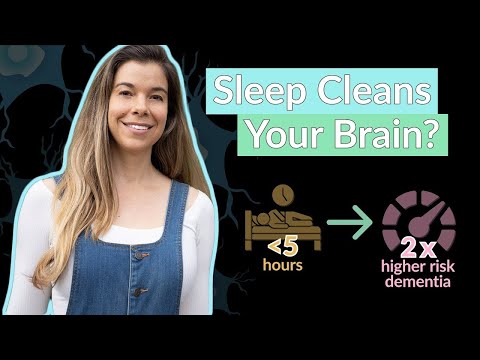
The Hidden Connection Between Sleep and Dementia

Apr 14, 2021

“Although scientists have identified other lifestyle behaviors that can help prevent the build-up of amyloid plaques by boosting the capacity for glymphatic clearance – such as exercise and adequate intake of omega-3 – the most important factor by far is a good night's sleep, especially deep sleep.”

sleep brain alzheimer's
Play episode
292
Clip
Clip

How to get the best sleep for your immune system | Roger Seheult

Mar 10, 2021

“Sleep and the immune system are intrinsically linked. Sleep problems may arise because of medical or behavioral reasons, but modern life frequently dictates a work schedule late into the evening, disrupting our natural sleep/wake cycles.”

sleep immune system blue light
Watch clip
293
Episode
Episode

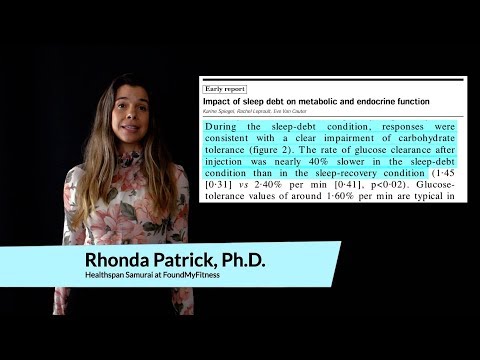
Sleep loss impairs glucose regulation (but exercise helps)

Mar 13, 2019

“When most people think about certain lifestyle factors that affect insulin sensitivity and blood glucose levels, they think about macronutrient composition, or calories, or fasting, or exercise (and lack of), but they don’t often think about sleep.”

sleep exercise obesity metabolism
Play episode
294
Episode
Episode

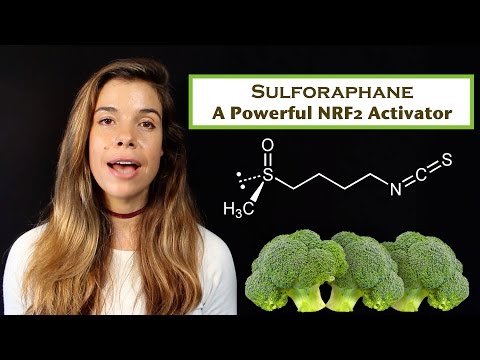
Sulforaphane and Its Effects on Cancer, Mortality, Aging, Brain and Behavior, Heart Disease, & More

Dec 14, 2016

“There is so much to say when we talk about the NRF2 pathway and isothiocyanates like sulforaphane that we had to pack it into 47 minutes and break it into a few key sections. Key sections: For a more in-depth breakdown click the timeline link at the top of this page!”

sulforaphane brain cancer aging
Play episode
295
Clip
Clip

What Alpha-Lipoic Acid Does in Metabolism

Jan 22, 2025

“Human trials suggest that alpha-lipoic acid can modestly improve selected lipid measures. A dose-response meta-analysis of 12 studies found reductions in total cholesterol, LDL cholesterol, and triglycerides across doses from 300 to 1,200 milligrams per day.”

supplements metabolism cholesterol mitochondria
Watch clip
296
Clip
Clip

How do supplements and exercise training affect timing-restricted eating? | Satchin Panda

Jul 12, 2019

“Similarly, the timing of eating and exercise, especially in elite athletes, has not been studied and may, in fact, require self-experimentation by the athletes as they find the perfect interval of fasting to support their optimal performance.”

circadian rhythm time-restricted eating supplements
Watch clip
297
Episode
Episode

Dr. Terry Wahls Discusses Her Multiple Sclerosis Protocol

Jul 22, 2014

“In this video, Dr. Rhonda Patrick interviews Dr. Terry Wahls about how she reversed her secondary-progressive multiple sclerosis with a micronutrient-dense diet and Paleo principles.”

nutrition brain diet epigenetics
Play episode
298
Clip
Clip

Time-restricted eating may help sleep, metabolism, and spontaneous activity (apart from weight loss) | Ruth Patterson

Jul 12, 2019

“Time-restricted eating, which involves taking in food within a specific period of the day and fasting for the remainder, can improve certain biomarkers of health - even without weight loss. One theory is that this eating pattern coordinates food intake with the body's peak metabolism period.”

breast cancer sleep fasting time-restricted eating
Watch clip
299
Clip
Clip

How Protein Intake Shapes Muscle Growth

Feb 2, 2024

“Older adults can have anabolic resistance and may need more protein per meal to reach a leucine threshold; Dr. Schoenfeld discusses roughly 2–3 grams of leucine as a flexible estimate, not a hard cutoff or a reason everyone needs isolated leucine.”

protein aging muscle strength
Watch clip
300
Clip
Clip

How Vitamin D Status Relates to Dementia Risk

Jun 30, 2025

“A national survey analysis estimated 2.6% severe deficiency, 22% moderate deficiency, and 40.9% insufficiency among US adults, although prevalence changes with the threshold used. These categories should remain distinct because insufficiency is not the same as clinical deficiency.”

vitamin d brain aging micronutrients
Watch clip
Load more related episodes

Explore More

  • Home
  • Episodes
  • Membership
  • The Aliquot
  • About
  • Healthspan Gear
  • Genetics

Our Mission

Promoting strategies to increase healthspan, well-being, cognitive and physical performance through deeper understandings of biology. Learn more about Dr. Rhonda Patrick.

Questions?

Send us a message here

Search

Follow us here

  • Instagram
  • Twitter
  • Facebook

Watch and listen

  • YouTube
  • Apple Podcasts
  • Spotify
This site is protected by reCAPTCHA and is subject to the Google Privacy Policy and Terms of Service, as well as our own Privacy Policy and Terms of Service.