Q&A
Q&A #80: Does Nattokinase Protect Your Heart?—What the Evidence Shows
Dr. Rhonda Patrick reviews the evidence for nattokinase, how oat beta-glucans may aid with PFAS excretion, and HRT for APOE4 carriers.
FoundMyFitness library
Ranked by shared topics, with one result from each original episode.
Q&A
Dr. Rhonda Patrick reviews the evidence for nattokinase, how oat beta-glucans may aid with PFAS excretion, and HRT for APOE4 carriers.
Clip
“In a small trial involving adults with obesity, a ketone monoester improved one processing-speed task and selected brain blood-flow measures, providing an early signal for further research. Temperature can also shape alertness and sleep preparation.”
Episode
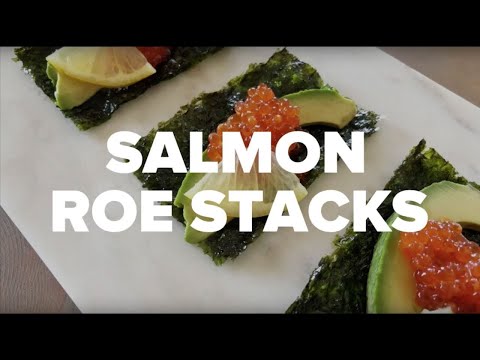
“Not only is salmon roe a good source of DHA, it also provides protein, vitamins, minerals, and astaxanthin – an antioxidant compound that gives salmon its reddish or pinkish tint. In human studies, astaxanthin reduces biomarkers of oxidative stress.”
Clip
“A national survey analysis estimated 2.6% severe deficiency, 22% moderate deficiency, and 40.9% insufficiency among US adults, although prevalence changes with the threshold used. These categories should remain distinct because insufficiency is not the same as clinical deficiency.”
Clip
“A 2025 meta-analysis found improved quality of life, no clear overall change in ejection fraction, and a borderline improvement in New York Heart Association functional class across a small set of trials.”
Clip
“Supplementation trials answer a different practical question: in VITAL, 1 gram of marine omega-3s daily did not significantly reduce the primary cardiovascular composite over 5.3 years, although total heart attacks were lower as a secondary outcome.”
Clip
“In a controlled five-week crossover trial involving men with prediabetes, an early six-hour eating window with dinner before 3 p.m. improved insulin sensitivity, pancreatic beta-cell responsiveness, blood pressure, oxidative stress, and appetite without causing weight loss.”