• Episodes
  • Topics
  • AMA
  • Science Digest
  • The Aliquot
  • Genetics
Sign in Become a member
Search
Back to episode

FoundMyFitness library

Related Episodes for How lifestyle factors can slow or accelerate epigenetic aging | Steve Horvath

Ranked by shared topics, with one result from each original episode.

201
Clip
Clip

How Exercise and Sleep Support Immune Function With Age

Oct 29, 2025

“A systematic review in older adults linked Mediterranean dietary patterns with lower inflammatory markers, while a meta-analysis of randomized trials found that vitamin D supplementation reduced acute respiratory infection risk overall, with the strongest protection among people who were very deficient and received regular doses.”
nutrition exercise aging sleep
Watch clip
202
Clip
Clip

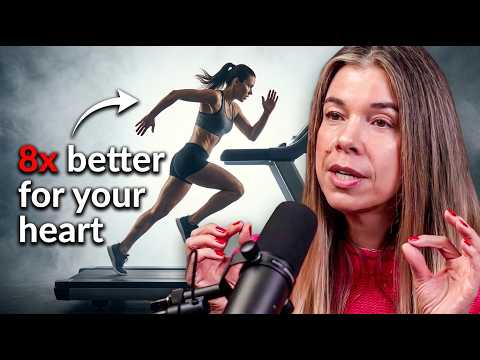
How Exercise Intensity Relates to Longevity

Jul 29, 2026

“During about eight years of follow-up, the models associated one vigorous minute with roughly 4.1 moderate minutes for all-cause mortality, 7.8 minutes for cardiovascular mortality, and 9.4 minutes for type 2 diabetes risk.”

exercise obesity diabetes muscle
Watch clip
203
Clip
Clip

How Lactate Links Vigorous Exercise to Brain Health

Jan 7, 2026

“In 15 people with severe traumatic brain injury, sodium lactate infusion increased brain lactate, pyruvate, and glucose without raising intracranial pressure, and a randomized study in 60 patients with mild traumatic brain injury reported better cognitive recovery than hypertonic saline.”

exercise brain mitochondria rhonda
Watch clip
204
Clip
Clip

How Lifestyle and Chemical Exposures Affect Male Reproductive Health

Sep 18, 2026

“In a small study of 10 men, twice-weekly sauna sessions for three months altered sperm production and function, with recovery documented during follow-up after sauna use stopped. Sperm outcomes and circulating testosterone are distinct measures of reproductive function.”

obesity sleep hormones rhonda
Watch clip
205
Clip
Clip

How Magnesium Supports DNA Repair and Healthy Aging

Sep 1, 2025

“Other cohorts have produced less consistent cancer findings, so the strongest practical message is to meet magnesium needs through foods such as leafy greens, legumes, nuts, seeds, and whole grains, with supplements individualized for diet, kidney function, and medications.”

cancer aging dna damage micronutrients
Watch clip
206
Clip
Clip

How Meal Composition May Affect Inflammation and Brain Fog

Mar 17, 2026

“Mouse studies of feeding during infection also found different responses across bacterial and viral models, so a minimally processed dietary pattern, regular exercise, and normal hydration and nutrition during illness provide a more useful foundation than one universal food or fasting rule.”

nutrition exercise brain omega-3
Watch clip
207
Clip
Clip

How Much Protein Maximizes Muscle Gains

Nov 6, 2025

“A meta-analysis of 49 studies involving 1,863 adults found that protein supplementation during prolonged resistance training produced additional gains in one-repetition maximum strength, fat-free mass, and muscle size compared with training alone.”

nutrition exercise rhonda muscle
Watch clip
208
Clip
Clip

How much protein should you eat? Muscle growth vs. IGF-1 longevity concerns | Rhonda Patrick

Jul 15, 2019

“Whereas fasting turns off multiple pathways associated with aging, such as mTOR and IGF-1, eating for optimal fitness activates these important processes. The IGF-1 pathway, in particular, plays key roles in growth and is strongly associated with cancer.”

fasting aging hormones stem cells
Watch clip
209
Clip
Clip

How Omega-3 Status Relates to Inflammation, Muscle, and Longevity

Nov 27, 2023

“The excerpt also reviews controlled muscle studies: omega-3 attenuated loss during immobilization and increased the amino-acid-stimulated muscle-protein-synthesis response under tested conditions. These findings do not generalize to every dose or population.”

aging omega-3 inflammation pregnancy
Watch clip
210
Clip
Clip

How to Combine Exercise With Compassion Practice

Aug 28, 2026

“A separate trial of 153 adults found that smartphone-based mindfulness training combining attention monitoring with acceptance reduced daily loneliness and increased social interactions compared with monitoring alone or an active control.”

exercise brain meditation behavior
Watch clip
Load more related episodes

Explore More

  • Home
  • Episodes
  • Membership
  • The Aliquot
  • About
  • Healthspan Gear
  • Genetics

Our Mission

Promoting strategies to increase healthspan, well-being, cognitive and physical performance through deeper understandings of biology. Learn more about Dr. Rhonda Patrick.

Questions?

Send us a message here

Search

Follow us here

  • Instagram
  • Twitter
  • Facebook

Watch and listen

  • YouTube
  • Apple Podcasts
  • Spotify
This site is protected by reCAPTCHA and is subject to the Google Privacy Policy and Terms of Service, as well as our own Privacy Policy and Terms of Service.