Q&A #79: Why I’m Taking Nicotinamide Riboside—Safety, Uncertainty, & Cycling Concerns
Get these episodes in a convenient podcast format.
These live recorded Q&A episodes make great companion listening for a long drive. You can find these Q&A episodes alongside great interview aliquots and other special members-only episodes on The Aliquot, our official premium FoundMyFitness podcast.
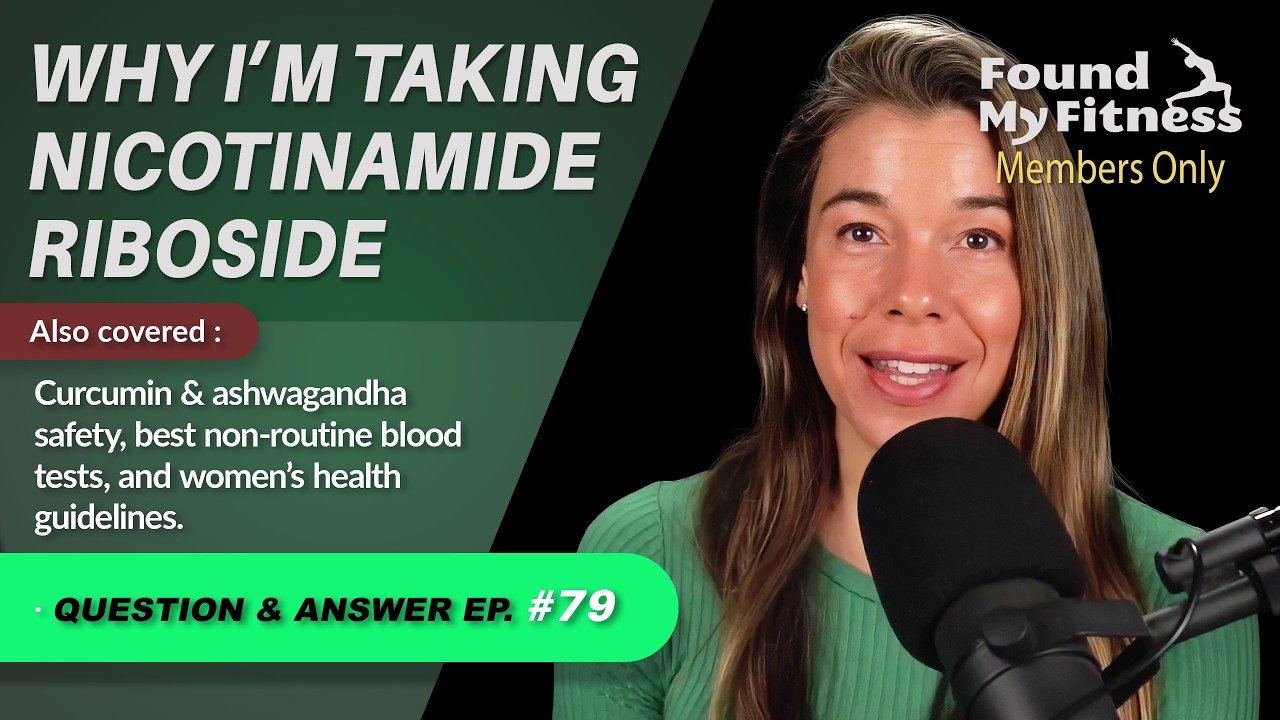
In this Q&A, Dr. Rhonda Patrick discusses nicotinamide riboside supplementation, non-routine blood tests, sex-specific lifestyle recommendations, and the safety of herbal supplements such as curcumin and ashwagandha.
Timestamps include:
-
Q: What are your thoughts on nicotinamide riboside (NR) supplementation?
-
Q: Is creatine beneficial during breastfeeding?
-
Q: Are there risks of using AI for scientific research?
-
Q: Which non-routine blood tests should be included annually?
-
Q: Which oxidative stress biomarkers can be used to assess mitochondrial health?
-
Q: Should women follow different health guidelines than men?
-
Q: Is there evidence that curcumin or ashwagandha can cause liver damage?
Which advanced blood and urine biomarkers actually matter for long-term health and disease prevention?
If you want a clearer picture of your long-term health, standard blood tests only tell part of the story. A more detailed set of biomarkers can reveal early signs of cardiovascular disease, metabolic dysfunction, and nutrient imbalances. However, the key is not just testing more, but understanding which markers provide the most meaningful insight. When used together, these measurements can help you detect problems early and guide smarter health decisions.
-
Beginning of Q&A
-
-
Q: Could cycling NR reduce its availability in older adults? 1
-
Q: Is Nutracost a reliable supplement brand?
-
Q: Is creatine beneficial during breastfeeding?
-
-
Q: Are there risks of using AI for scientific research?
-
Q: Which supplements are safe and beneficial during breastfeeding? 1
-
-
Q: Are less expensive forms of CoQ10 as effective?
-
-
-
-
Q: Are bulk supplements safe and reliable?
-
-
-
-
-
-
-
Q: Can ashwagandha cause liver damage? 1
-
Q: How do you evaluate supplement quality?
-
-
-
-
-
Q: Do you still use cold plunges and saunas? 1
An antioxidant compound produced by the plant Curcuma longa, a member of the ginger family. Curcumin exhibits a wide array of beneficial health effects, including anti-inflammatory, anti-cancer, and anti-diabetes properties. It is responsible for the bright yellow pigment of turmeric, a type of spice commonly used in Indian food.
A proinflammatory cytokine. TNF-alpha is produced by a wide range of cells, including macrophages, lymphocytes, glial cells, and others. TNF-alpha signaling inhibits tumorigenesis, prevents viral replication, and induces fever and apoptosis. Dysregulation of the TNF-alpha signaling pathway has been implicated in a variety of disorders including cancer, autoimmune diseases, Alzheimer’s disease, and depression.
Every month, Rhonda hosts a live chat with FoundMyFitness Premium Members.
Don't miss the next one.
Watch previously recorded Q&As with Dr. Rhonda Patrick
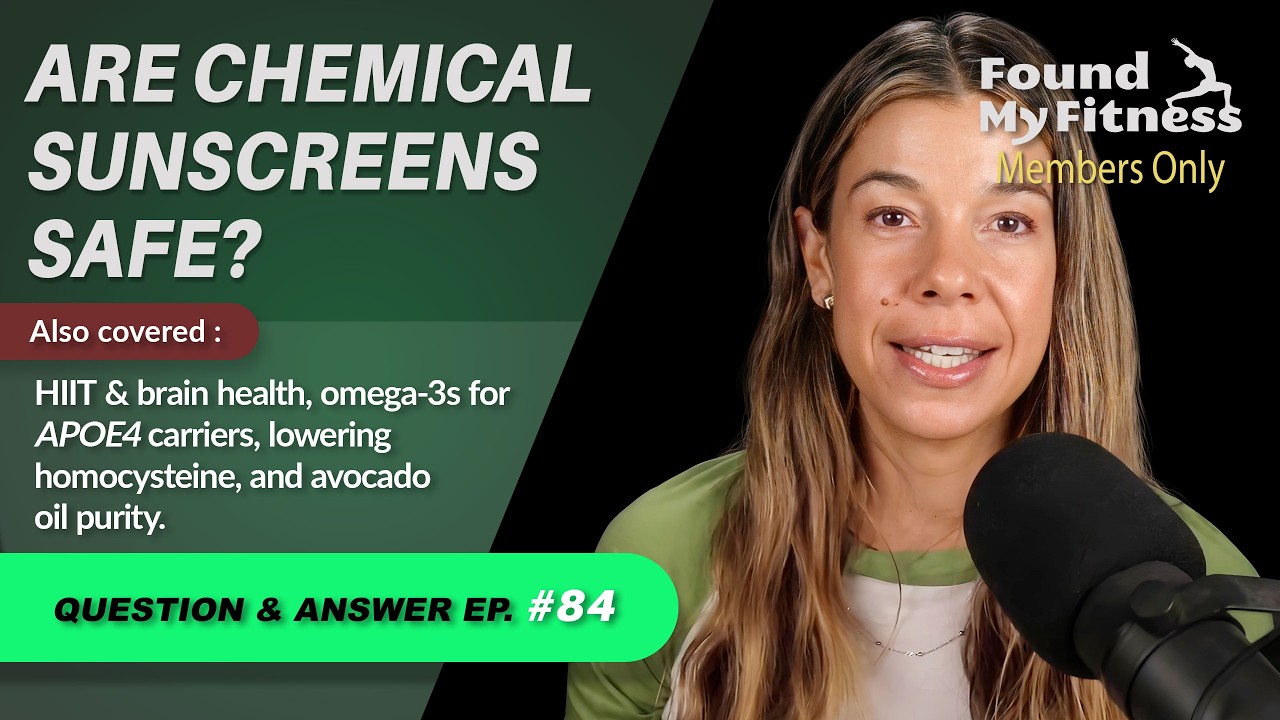
Q&A #84: Chemical Sunscreen Safety—Plus What Rhonda Eats
Dr. Rhonda Patrick discusses sunscreen safety, HIIT & brain health, diet, omega-3s, urolithin A, sulforaphane, homocysteine, peptides, and CoQ10.
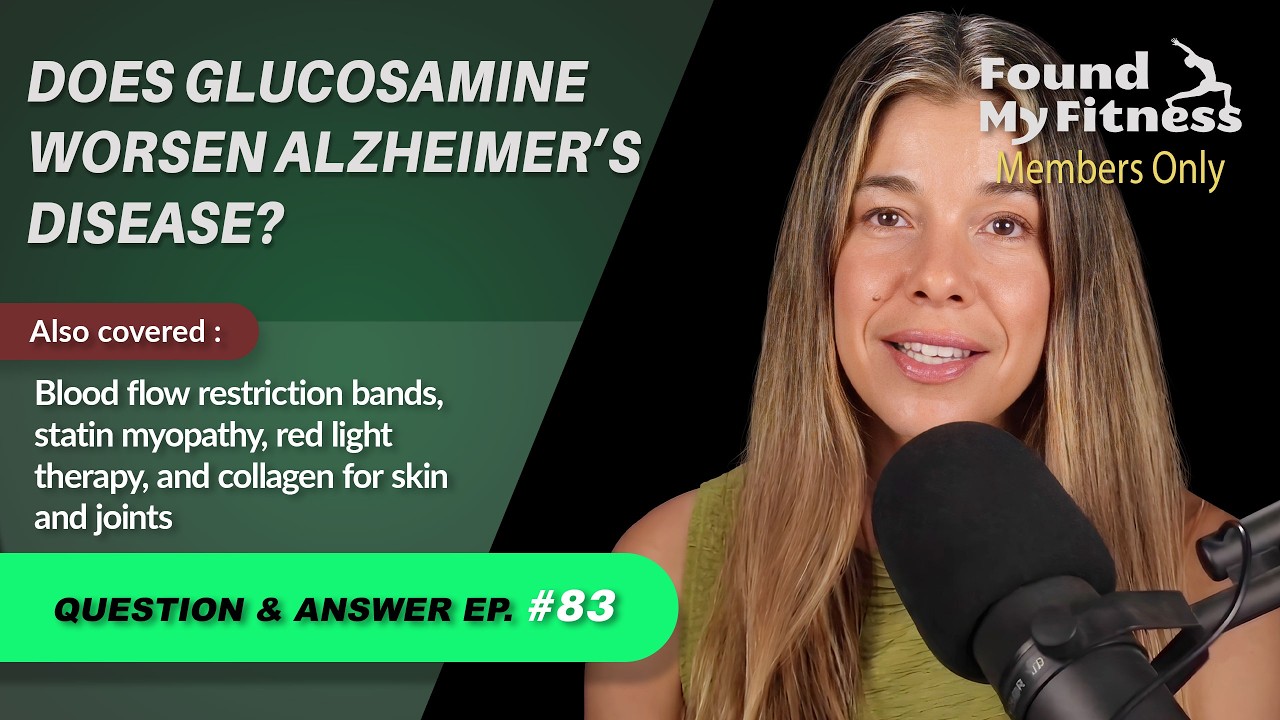
Q&A #83: Does Glucosamine Worsen Alzheimer’s Disease?
Dr. Rhonda Patrick discusses glucosamine and Alzheimer's, blood flow restriction, beta-glucan fiber, creatine, collagen, red light therapy, and curcumin.
Q&A #82: Organic Food, Pesticides & Glyphosate—What Actually Lowers Exposure?
Dr. Rhonda Patrick discusses organic produce, fasting-mimicking diets, sleep, sauna, sunscreens, red light therapy, reverse osmosis water, and fiber.
Q&A #81: Beta-Glucan vs. Psyllium—LDL Reduction, PFAS, & Gluten
Beta-glucan versus psyllium for lowering LDL, PFAS reduction, creatine and caffeine, urolithin A, exogenous ketones, IVF, Botox, and sauna.
Q&A #80: Does Nattokinase Protect Your Heart?—What the Evidence Shows
Dr. Rhonda Patrick reviews the evidence for nattokinase, how oat beta-glucans may aid with PFAS excretion, and HRT for APOE4 carriers.