Q&A #86: How to Slow Memory Decline—Plus Tendon Recovery
Get these episodes in a convenient podcast format.
These live recorded Q&A episodes make great companion listening for a long drive. You can find these Q&A episodes alongside great interview aliquots and other special members-only episodes on The Aliquot, our official premium FoundMyFitness podcast.

In this Q&A, Dr. Rhonda Patrick discusses differences between blueberry varieties and other sources of anthocyanins, cholesterol management, the benefits and risks of osteoporosis medications, male fertility, strategies for addressing age-related memory loss, and managing tendon pain.
Timestamps include:
-
Q: How do fresh, frozen, and wild blueberries differ?
-
Q: What are some alternatives for people who dislike blueberries?
-
Q: How do you interpret cholesterol blood test results, and which markers can lifestyle changes affect?
-
Q: Do the benefits of osteoporosis medications outweigh their risks?
-
Q: What can men do to improve fertility?
-
Q: What can help slow or improve memory loss in older adults?
-
Q: How can you manage tendon pain and maintain tendon health?
What can help preserve memory as we age?
Memory changes are often attributed to age, yet age alone does not explain why some people remain mentally sharp while others begin struggling with conversations, appointments, or familiar tasks.
Brain function is closely linked to cardiovascular health, sleep, nutrition, and physical and mental activity, offering several potential ways to protect memory and thinking as we age. But which strategies can actually help once cognitive changes have begun, and where should someone concerned about their memory start?
Why memory changes deserve a medical evaluation
-
Beginning of Q&A
-
-
-
-
-
-
Q: How do you interpret cholesterol blood test results, and which markers can lifestyle changes affect?
-
Q: How should fresh produce be washed and stored?
-
Q: How can you choose a clean matcha brand? 1
-
Q: What reverse osmosis filter do you use?
-
-
-
Q: Is raw milk safe or beneficial for older adults? 1
-
Q: Are sardines with bones a good source of calcium? 1
-
-
-
Q: What are the effects of adding MCT oil to coffee? 1
-
-
Q: What type of HIIT is recommended for older adults?
-
Q: Could cancer be cured within the next decade?
-
Q: What insect repellents do you use? 1
-
Q: Have you read Andrew Huberman's book, and do you plan to publish your own?
-
-
Q: Is it better to take Avmacol as a single or split dose?
-
-
-
-
Every month, Rhonda hosts a live chat with FoundMyFitness Premium Members.
Don't miss the next one.
Watch previously recorded Q&As with Dr. Rhonda Patrick
Q&A #85: How Much Sugar Is Too Much—and Can Supplements Help Parkinson's?
Dr. Rhonda Patrick discusses urolithin A, postmenopausal protein, microplastics, high-temperature saunas, sugar intake, and supplements for Parkinson's disease.
Q&A #84: Chemical Sunscreen Safety—Plus What Rhonda Eats
Dr. Rhonda Patrick discusses sunscreen safety, HIIT & brain health, diet, omega-3s, urolithin A, sulforaphane, homocysteine, peptides, and CoQ10.
Q&A #83: Does Glucosamine Worsen Alzheimer’s Disease?
Dr. Rhonda Patrick discusses glucosamine and Alzheimer's, blood flow restriction, beta-glucan fiber, creatine, collagen, red light therapy, and curcumin.
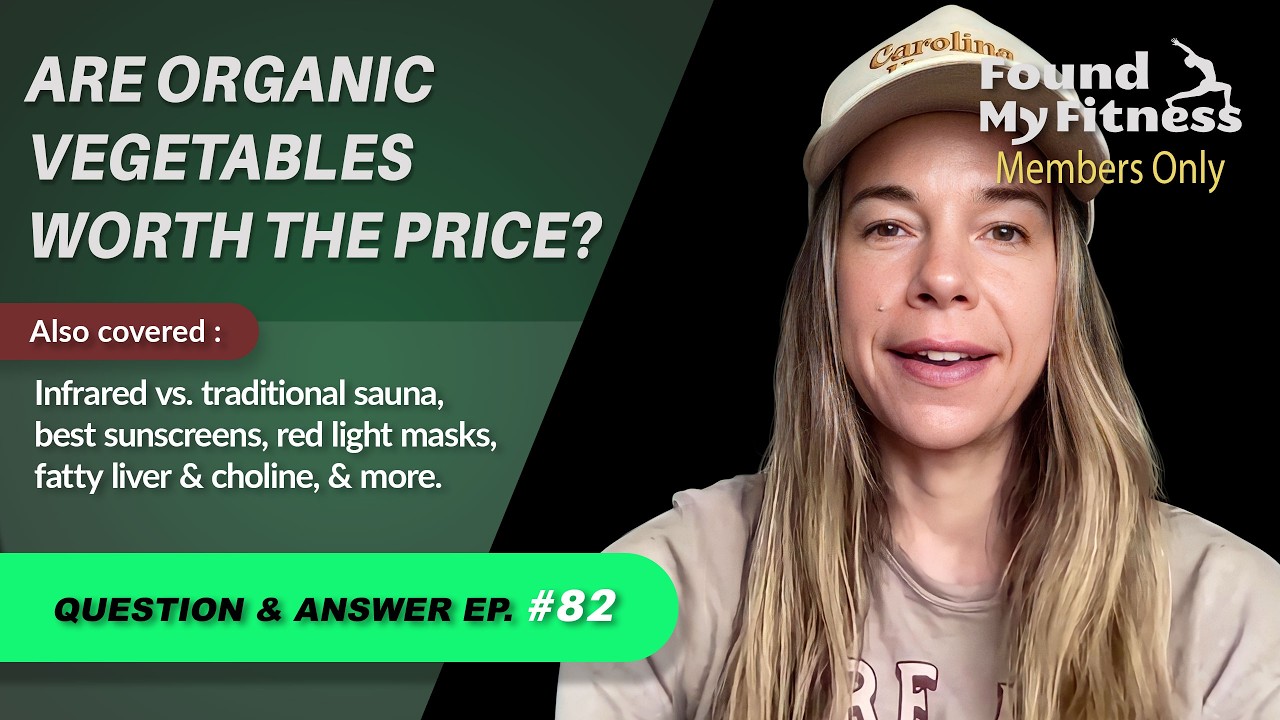
Q&A #82: Organic Food, Pesticides & Glyphosate—What Actually Lowers Exposure?
Dr. Rhonda Patrick discusses organic produce, fasting-mimicking diets, sleep, sauna, sunscreens, red light therapy, reverse osmosis water, and fiber.
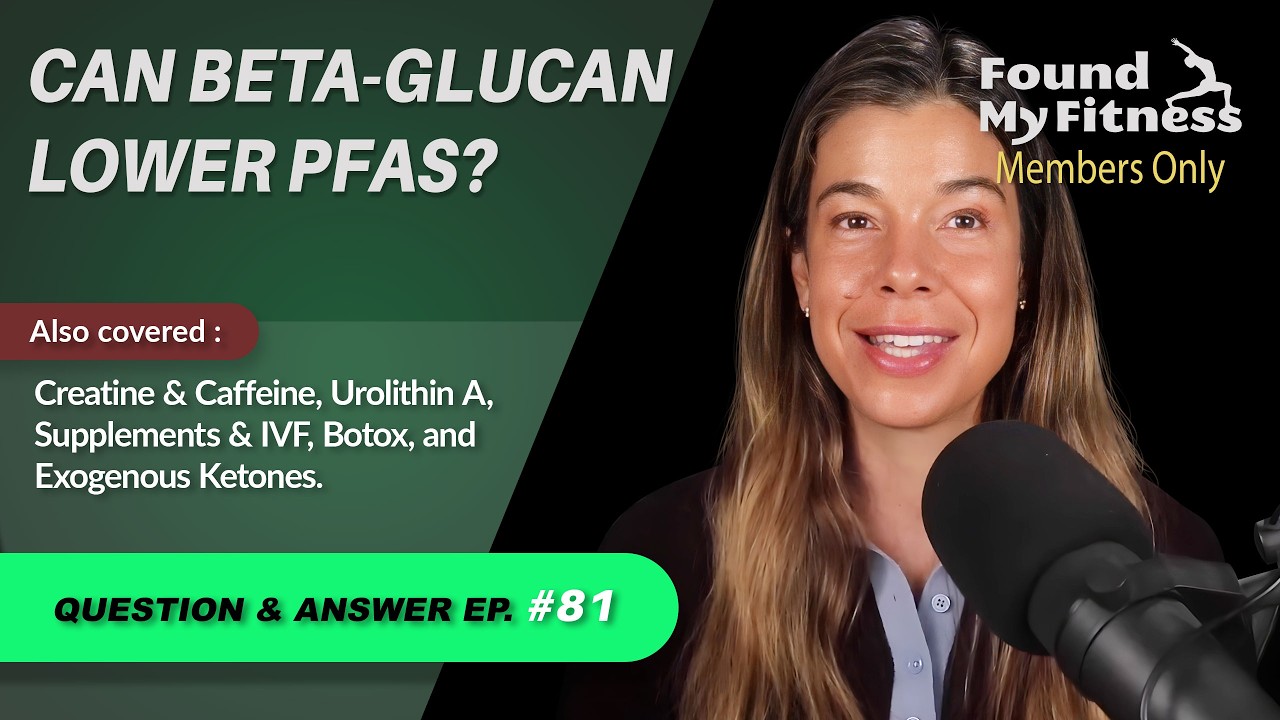
Q&A #81: Beta-Glucan vs. Psyllium—LDL Reduction, PFAS, & Gluten
Beta-glucan versus psyllium for lowering LDL, PFAS reduction, creatine and caffeine, urolithin A, exogenous ketones, IVF, Botox, and sauna.