Q&A
Q&A #9: Viral Defense—Sulforaphane, NAC, Glutathione, & Vitamin D
Dr. Rhonda Patrick answers audience questions on various health, nutrition, and science topics in this Q&A session.
FoundMyFitness library
Ranked by shared topics, with one result from each original episode.
Q&A
Dr. Rhonda Patrick answers audience questions on various health, nutrition, and science topics in this Q&A session.
Clip
“In this clip from Dr. Rhonda Patrick's appearance on The School of Greatness, she explains how she narrows a long supplement routine to three priorities: marine omega-3 fatty acids, vitamin D, and sulforaphane.”
Clip
“In humans, an analysis of 6,482 US adults associated higher fiber intake with lower serum concentrations of several persistent PFAS chemicals; the observational result does not prove that fiber caused clearance. Sauna is a different pathway, not a substitute for fiber.”
Episode
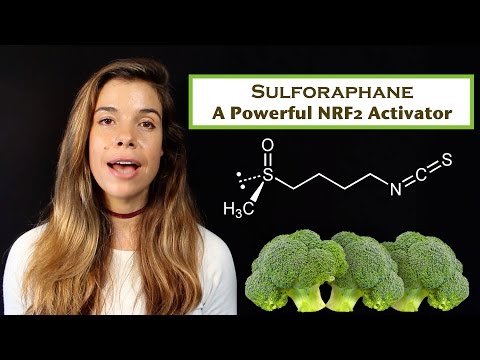
“This is a video on how to plausibly increase the sulforaphane created from the glucoraphanin in your broccoli sprouts by up to 3.5-fold, based on the results of a 2004 Phytochemistry paper entitled "Heating decreases epithiospecifier protein activity and increases sulforaphane formation in broccoli."”
Episode
“Based on findings from more recent studies using stable isotopes, which more accurately assess muscle protein anabolism and catabolism, Dr. Phillips believes that eating 1.2 to 1.6 grams of protein per kilogram of bodyweight (about 0.5 to 0.7 grams per pound) is likely optimal for muscle protein synthesis, especially as one ages.”
Episode
“There is so much to say when we talk about the NRF2 pathway and isothiocyanates like sulforaphane that we had to pack it into 47 minutes and break it into a few key sections. Key sections: For a more in-depth breakdown click the timeline link at the top of this page!”
Episode
“A 12-month randomized controlled trial found that vitamin D supplementation improved cognitive function, intelligence quotient scores, telomere length, and lowered oxidative stress markers in older adults with mild cognitive impairment (compared to placebo), suggesting that not only does vitamin D supplementation improve biomarkers of aging, but also functional outcomes.”
Clip
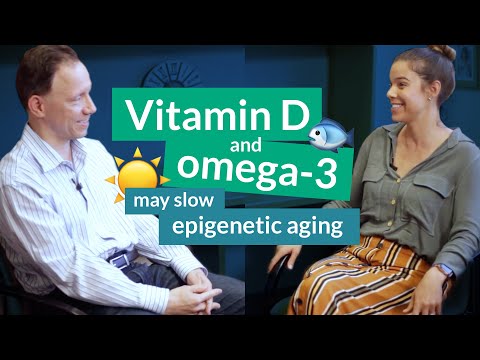
“Nutritional status plays a critical role in aging. Emerging evidence now suggests that supplemental omega-3 fatty acids or vitamin D slow epigenetic aging. In this clip, Dr. Steve Horvath describes evidence suggesting that supplemental vitamin D or omega-3 fatty acids slow epigenetic aging.”
Clip
“A standard multivitamin may support selected older adults by filling dietary gaps, and population surveys show that many people consume less than estimated requirements for nutrients such as magnesium, calcium, and vitamins A and C.”