1
Collection
What FoundMyFitness Has Covered
PremiumConnecting the evidence…
2
 Episode
Episode
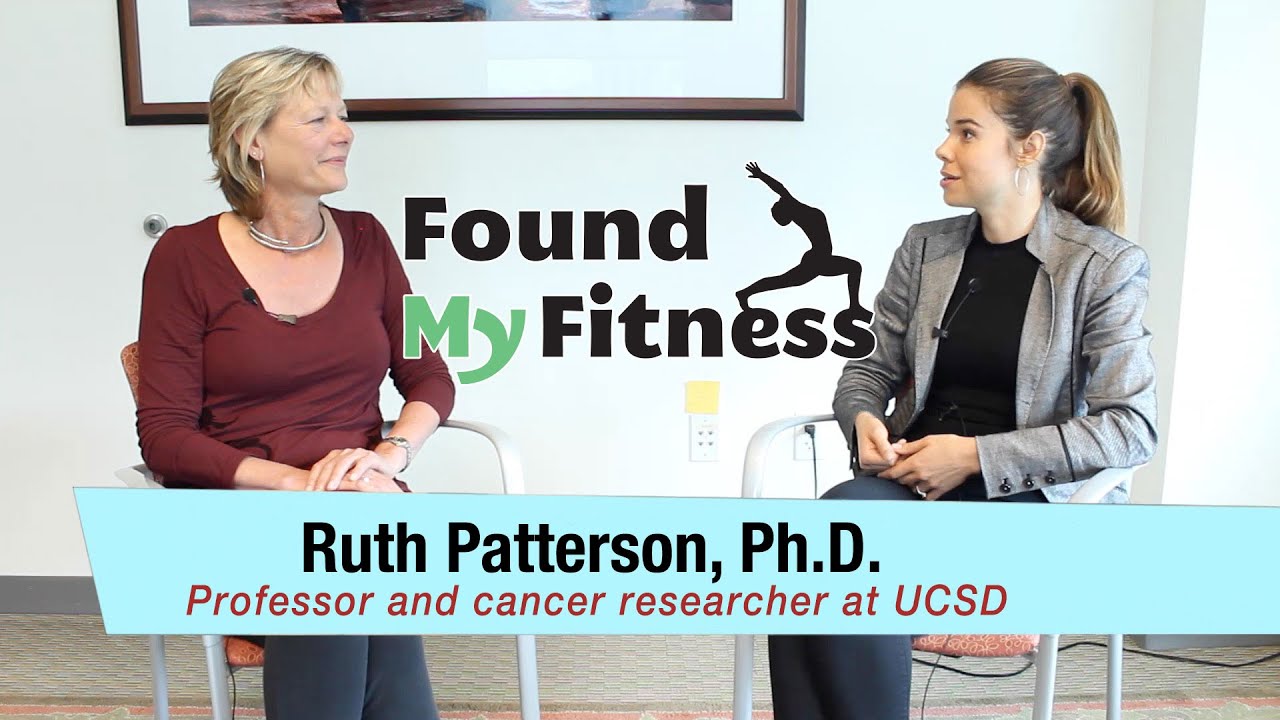
Ruth Patterson, PhD, on Time-Restricted Eating in Humans & Breast Cancer Prevention
“Derangements in circadian rhythms promote metabolic dysregulation Strong evidence also points to metabolic dysregulation in the pathophysiology of breast cancer. This dysregulation arises from perturbations in the body's circadian rhythms, the body's innate 24-hour cycles of biological, hormonal, and behavioral patterns.”
3
 Clip
Clip
Clip
High estrogen and insulin associated with breast cancer growth in diabetes & obesity | Ruth Patterson
“Obesity promotes inflammation and elevated levels of the hormones estrogen and insulin, which may lead to an increased risk of breast cancer. Acting as growth factors, both estrogen and insulin can promote tumor cell growth, as well as undermine the innate defense system that removes damaged cells from the body.”
4
 Clip
Clip
Clip
13 hour daily fast associated with a 36 percent decrease in breast cancer recurrence | Ruth Patterson
“The whole family can participate in an adjusted eating window, which may also provide benefits for conditions including diabetes, fatty liver disease, and acid reflux. In this clip, Dr. Ruth Patterson discusses how simply changing when one eats can have a profound effect on the risk of breast cancer recurrence.”
5
 Clip
Clip
Clip
Up to 75 percent of breast cancers associated with modifiable factors like obesity, smoking, and inactivity | Ruth Patterson
“In this clip, Dr. Ruth Patterson discusses how healthful choices, such as even modest weight loss, can have beneficial effects that reduce the risk of breast cancer and a variety of other diseases.”
6
 Clip
Clip
Clip
Does meal frequency matter for time-restricted eating? | Ruth Patterson
“While a shortened eating window can reduce blood sugar levels – and thus breast cancer risk – the jury is still out regarding meal frequency. The prevailing thought is that if the eating window is short, the number of eating episodes may not matter.”
7
 Clip
Clip
Clip
Meal timing and late eating as a modulator of cancer risk and risk-associated biomarkers | Ruth Patterson
“Eating late at night – particularly large meals – can be detrimental and, along with DNA damage, provides fertile ground for cancer to develop. In this clip, Dr. Ruth Patterson discusses how eating in accordance with the body's natural circadian rhythm may reduce the risk of breast cancer.”
8
Topic
Topic
Liquid biopsy (cancer screening)
“Whole blood. Monitoring of patients with metastatic breast, colorectal, or prostate cancer. Prognosis and prediction of progression-free survival and overall survival in patients with metastatic breast, colorectal, or prostate cancer.”
9
Topic
Topic
Breast milk and breastfeeding
“Breastfeeding protects against cancer and facilitates postpartum weight loss Lower risk of breast and ovarian cancer A review of 47 epidemiological studies found that for every 12 months of breastfeeding, the risk of developing breast cancer decreased by 4.3 percent.”
10
Topic
Topic
Epigenetic aging clocks
“The study gauged the DNA methylation age of more than 1,500 women with breast cancer. It determined that for every 5-year acceleration in a woman's epigenetic aging, her risk of developing breast cancer increased by 15 percent.”
Results 1–10 of 247