1
Collection
What FoundMyFitness Has Covered
PremiumIL-6 is highly context-dependent rather than uniformly harmful: chronic elevation reflects ongoing inflammation and is linked to type 2 diabetes and atherosclerosis, whereas an acute exercise-related rise can suppress inflammatory cytokines and stimulate anti-inflammatory ones. Exercise-associated…
Your Premium Brief connects insights across FoundMyFitness to help you see the bigger picture.
Based on available source text from 9 of the first 10 results.
2

Science Digest
Low levels of interleukin-6 (IL-6) in the prefrontal cortex enhanced reversal learning in rats. (2014)
“These findings suggest that a basal level of the cytokine IL-6 is essential for reversal learning in rats. The researchers posited that although IL-6 is typically a pro-inflammatory cytokine, it may exert differential effects under different conditions.”
3
Science Digest
1500mg/day of Vitamin C reduced ultramarathon post-race cortisol and interleukins IL-6, IL-8, and IL-10
“From the article: > In summary, runners completing the 90-km Comrades Ultramarathon experienced strong increases in concentrations of serum cortisol and plasma IL-6, IL-10, IL-1RA, and IL-8.”
4
Science Digest
In a mendelian randomization study, genetically predicted levels of interleukin 6 (IL-6) were associated with neuropsychiatric disorders.
“One possible player is interleukin-6 (IL-6), a cytokine that can cross the blood-brain barrier, increasing the barrier's permeability and promoting brain inflammation. In turn, this inflammation can impair synaptic pruning, a natural process that occurs in the brain between early childhood and adulthood and eliminates extra synapses.”
5
Science Digest
Could omega-3 counteract diseases of aging through epigenetic modification of the IL-6 promoter?
“However, given that IL-6 also plays a role in healthy physiological functions, pharmacological interventions targeting its action overtly may lead to unintended side effects over time.”
6
Science Digest
Exercising restores sensitivity of neurons that make one feel full via myokine signaling involving IL-6 and IL-10
“From the article: > "In obese animals, exercise increased IL-6 and IL-10 protein levels in the hypothalamus, and these molecules were crucial for increasing the sensitivity of the most important hormones, insulin and leptin, which control appetite," Carvalheira explained. View full publication.”
7
Science Digest
Exercise causes acute elevation of IL-6 which reduces postprandial blood glucose levels and insulin secretion by delaying gastric emptying.
“Chronic elevation of IL-6 reflects ongoing inflammation and is linked to type 2 diabetes and atherosclerosis. In contrast, acute elevation of IL-6 from exercise inhibits inflammatory cytokines and stimulates the production of anti-inflammatory cytokines in humans.”
8
 Episode
Episode
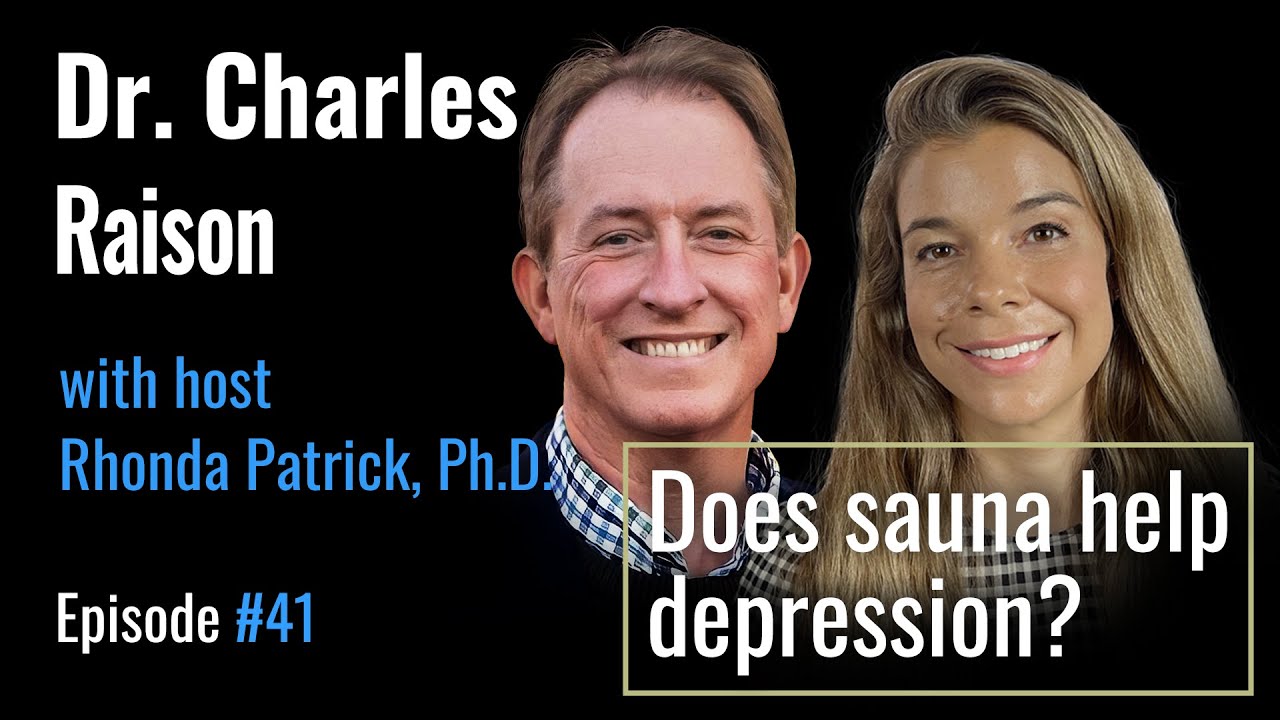
Dr. Charles Raison on Depression, the Immune-Brain Interface & Whole-Body Hyperthermia
“How the anti-depressant effects of whole-body hyperthermia may actually intimately depend on the spike in IL-6. The role IL-6 plays as a myokine by conferring beneficial metabolic adaptations in response to exercise, including increased insulin sensitivity.”
9
Topic
Topic
Whole-body hyperthermia
“A 2024 study provided compelling evidence that whole-body hyperthermia may alleviate depression through an anti-inflammatory mechanism involving interleukin-6 (IL-6). In this 6-week, randomized, double-blind trial, 34 adults with major depressive disorder were assigned to either a single whole body hyperthermia session or a sham condition.”
10
Topic
Topic
Cold exposure
“No difference was observed in the inflammatory cytokine TNF-alpha. Additionally, the cytokines IL-6 and IL-10 increased immediately after exercise regardless of the recovery modality, with no observed differences in response between groups.”
Results 1–10 of 190