111

Search could not finish. Try again.
Found 672 matches across the FoundMyFitness library.
“Exercise–In All Forms—Reduces Depression and Anxiety For the latest study on exercise for depression and anxiety, researchers meta-analyzed a total of 26 randomized controlled trials that compared either aerobic exercise, resistance exercise, or combined training to a control intervention—usually a standard of care such as medication, CBT, counseling, or health education.”
 Clip
Clip
“Studies in animals show that if Mfsd2a is defective or missing (which can happen with age or genetics), DHA levels in the brain decrease by more than 50%, potentially compromising the blood-brain barrier.”
 Clip
Clip
“Long-lived people eventually develop age-related diseases – just later in life. The onset of these inflammatory diseases may occur when genetic programs which have given them an advantage begin to falter.”
 Clip
Clip
“Ten days after the onset of symptoms, viral genetic material is still detectable in their sputum, however the risk of spreading the virus is minimal. In this clip, Dr. Rhonda Patrick discusses the evidence surrounding how long the virus resides in the human body.”
“In a study involving diet-induced diabetic mice, injection of 500 milligrams per kilogram of body weight (mg/kg/bw) of nicotinamide mononucleotide administered for seven days enhanced insulin sensitivity and improved glucose intolerance compared to that observed among mice not given nicotinamide mononucleotide.”
 Episode
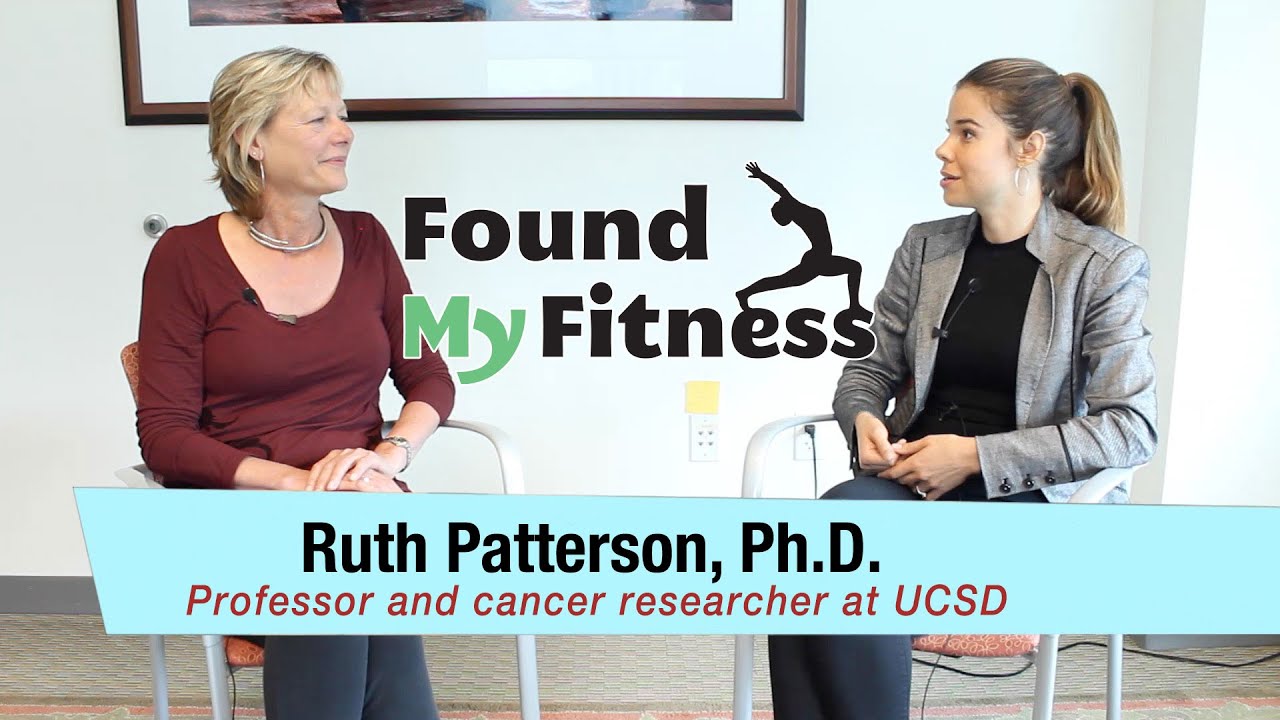
“"We think that less than 5 percent overall of breast cancers are the result of genetic factors. And more like 65 percent to 75 percent are the result of lifestyle factors, including obesity, diet, physical activity, and smoking." - Dr. Ruth Patterson.”
 Clip
Clip
“These responses can vary with chronotype, genetics, activity, sleep, meal composition, and metabolic health, but they support aligning larger meals with the body's daytime metabolic rhythm when practical.”
“Time-restricted eating exploits the body's innate 24-hour patterns – the genetically encoded molecular clocks present in every cell, from the complex (liver cells) to the simple (hair follicles) – and provides the body an essential downtime where it can focus on DNA and cellular repair and restoration rather than digestion.”
“Genetic variations in a zinc transporter expressed exclusively in insulin-producing beta cells confer type 2 diabetes risk. These mechanisms establish biological plausibility but do not by themselves demonstrate that zinc supplementation improves glucose regulation.”
Results 111–120 of 672
Premium Members received this study with Rhonda’s practical commentary and 8+ other hand-picked papers. Get the Science Digest delivered every other week.
Every other week our Premium Members receive deep dives like this alongside Rhonda's commentary and 8+ other hand-picked papers.