Q&A
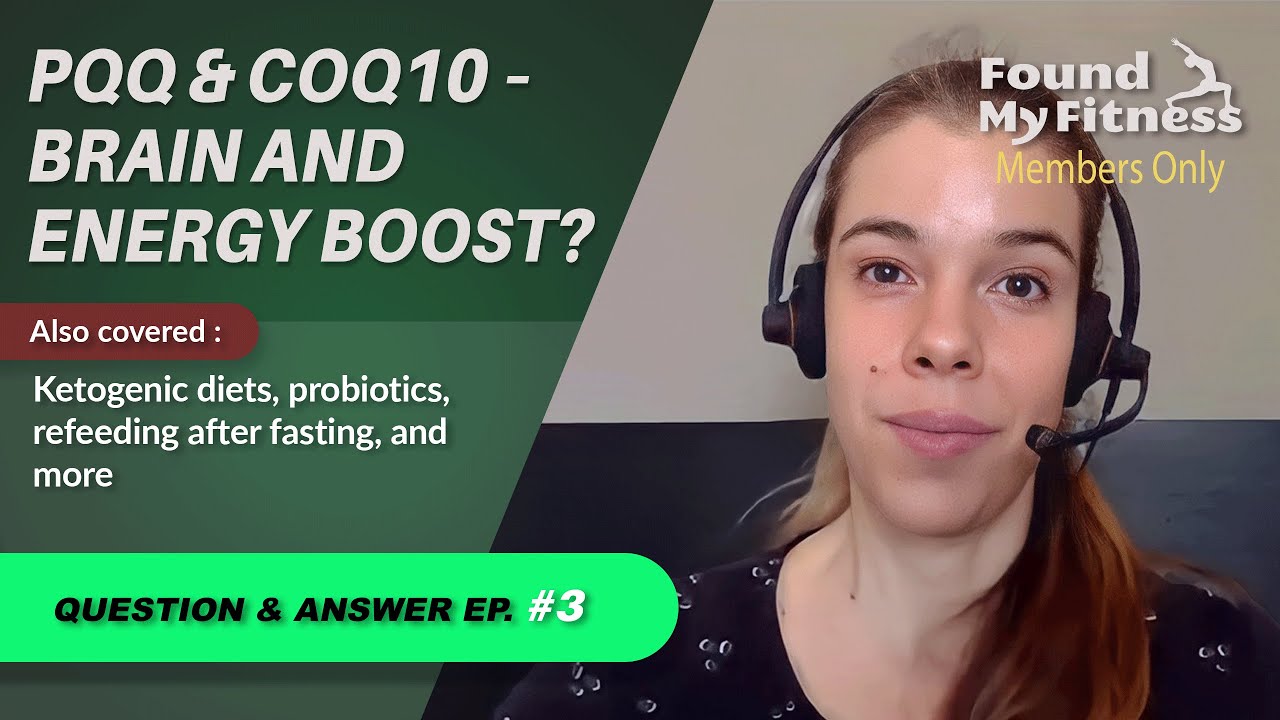
Q&A #3: Cancer, Fasting, & Probiotics—Plus PQQ, CoQ10, & Brain Energy
Dr. Rhonda Patrick answers audience questions on various health, nutrition, and science topics in this Q&A session.
Search could not finish. Try again.
Found 615 matches across the FoundMyFitness library.
Q&A
Dr. Rhonda Patrick answers audience questions on various health, nutrition, and science topics in this Q&A session.

Clip
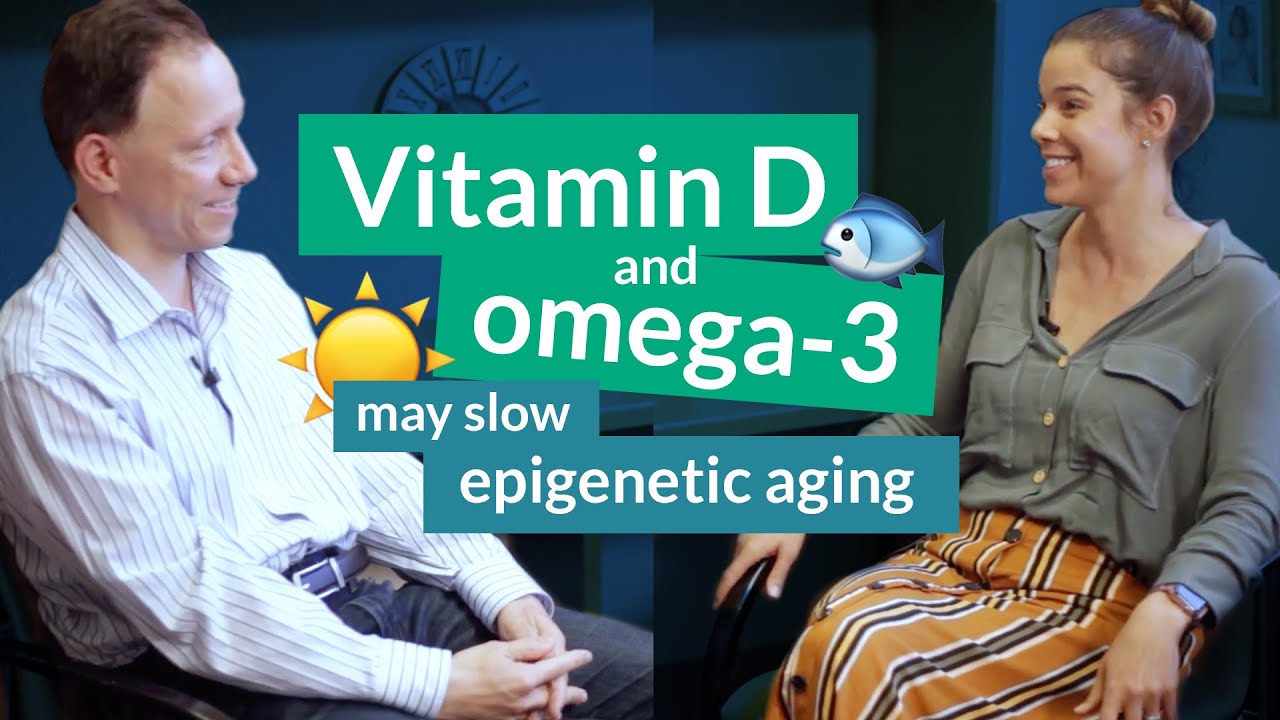
“Nutritional status plays a critical role in aging. Emerging evidence now suggests that supplemental omega-3 fatty acids or vitamin D slow epigenetic aging. In this clip, Dr. Steve Horvath describes evidence suggesting that supplemental vitamin D or omega-3 fatty acids slow epigenetic aging.”
Clip
“A large meta-analysis found that organic crops tended to contain higher concentrations of several phenolic compounds, lower cadmium, and fewer detectable pesticide residues, but no single nutritional pattern applies to every fruit or vegetable.”
“Maintaining muscle mass as we age requires a comprehensive approach encompassing nutrition and regular physical activity. However, many older adults don't consume adequate dietary protein and may lead sedentary lives, due to injuries, chronic illnesses, or joint problems.”
“>Animal nutrition science is in many ways more advanced than human nutrition due to the ability to conduct controlled studies and access to large amounts of data. However, the goals are very different.”
Q&A
Dr. Rhonda Patrick answers audience questions on various health, nutrition, and science topics in this Q&A session.

Episode
“But that doesn’t mean we should be tribal about nutrition and health to the point of ignoring evidence that runs contrary to our beliefs or failing to accept new information that challenges what we believe (or what we want to believe).”
Clip
“A sports-nutrition position stand places most exercising adults in a daily range of 1.4 to 2.0 grams per kilogram and notes that higher intakes can help preserve lean mass during calorie restriction. Safety depends on health status as well as dose.”
“Lifestyle factors, such as exercise, nutrition, sleep, and others, can temper some of the risks associated with carrying APOE4. This Aliquot focuses on the ones that can have the greatest benefits – and the ones that do the most harm.”
“Sulforaphane switches on mechanisms that protect against cancer and other environmental insults. Sulforaphane is produced when the plants' cells are damaged by chewin or chopping and some culinary "hacks" favor its production.”
Results 131–140 of 615
Premium Members received this study with Rhonda’s practical commentary and 8+ other hand-picked papers. Get the Science Digest delivered every other week.
Every other week our Premium Members receive deep dives like this alongside Rhonda's commentary and 8+ other hand-picked papers.
