Q&A
Q&A #6: Fasting, Omega-3s, & Continuous Glucose Monitoring
Dr. Rhonda Patrick answers audience questions on various health, nutrition, and science topics in this Q&A session.
Search could not finish. Try again.
Found 536 matches across the FoundMyFitness library.
Q&A
Dr. Rhonda Patrick answers audience questions on various health, nutrition, and science topics in this Q&A session.

Clip
“She lists omega-3, vitamin D with K2, a multivitamin, magnesium, sulforaphane, alpha-lipoic acid, benfotiamine, cocoa flavanols, creatine, collagen, PQQ, and conditional additions tied to training or illness exposure.”
“Omega-3 fatty acids are essential for normal brain function, contributing to cell membrane structure, nerve growth, neurotransmitter regulation, and reducing inflammation. Learn more about omega-3s in our comprehensive overview article.”
“Base pairs are nitrogen-containing molecules (called nucleotides) that form the "rungs" of the ladder-like structure of DNA. The length of most telomeres ranges from 8,000 base pairs in a newborn to 3,000 base pairs in an adult and as low as 1,500 in older adults.”
Clip
“A dose-response meta-analysis of randomized trials found that increased potassium intake lowered blood pressure most clearly in people with hypertension. Omega-3 fatty acids add another nutrition pathway relevant to the brain.”
Clip
“The same practical approach can improve tolerance for other supplements, while omega-3, magnesium, and creatine timing can be organized around meals, personal goals, and a schedule that is easy to maintain. Exact clock timing is less certain.”
“This narrowing of the arteries can result in chest pain (angina), heart attacks, and impaired heart function, posing a considerable risk to cardiovascular health. A recent study found that omega-3 fatty acids reduce plaque burden in patients with low-to-moderate coronary artery disease risk.”
Episode
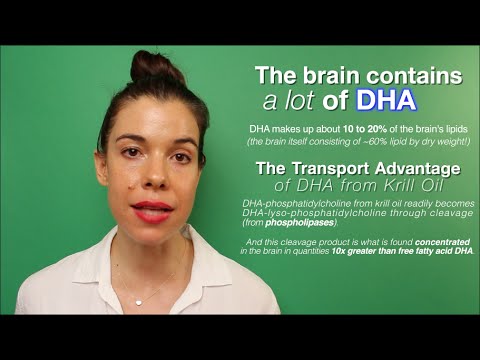
There may be something special about sources of omega-3 that are richer in the phosphatidylcholine form of DHA.
“Omega-3 fatty acids may help reduce bone loss, a 2010 study showed. When astronauts – who often experience bone loss after periods of weightlessness – consumed omega-3s during short-duration space missions, they experienced less bone loss.”
“They assigned participants to consume a placebo, zeaxanthin only (20 milligrams), or a combination of zeaxanthin (26 milligrams), lutein (8 milligrams), and mixed omega-3 fatty acids (190 milligrams) per day for four months.”
Results 181–190 of 536
Premium Members received this study with Rhonda’s practical commentary and 8+ other hand-picked papers. Get the Science Digest delivered every other week.
Every other week our Premium Members receive deep dives like this alongside Rhonda's commentary and 8+ other hand-picked papers.