Q&A
Q&A #26: Do Omega-3s Raise Atrial Fibrillation Risk—and Is Acarbose a Longevity Drug?
Dr. Rhonda Patrick answers audience questions on various health, nutrition, and science topics in this Q&A session.
Search could not finish. Try again.
Found 464 matches across the FoundMyFitness library.
Q&A
Dr. Rhonda Patrick answers audience questions on various health, nutrition, and science topics in this Q&A session.
Episode
“Unique qualities of the marine omega-3 fatty acids EPA and DHA There are several omega-3 fatty acids, but the ones that have the greatest relevance for human health are the two identified in the Inuit's blood – EPA and DHA – as well as alpha-linolenic acid (ALA), which is found in a wide variety of seeds, nuts, and their oils.”
Q&A
Dr. Rhonda Patrick explores collagen peptides, high-dose niacin and vitamin B6, avoiding nano- and microplastics in her latest Q&A.
Q&A
Dr. Rhonda Patrick answers audience questions on various health, nutrition, and science topics in this Q&A session.
“It has attracted interest for its potential to activate mitophagy, the process cells use to clear out damaged mitochondria. In this Aliquot, I explain why mitochondrial cleanup matters for aging, why urolithin A production varies, and what early human studies suggest about its potential benefits.”
Q&A
Dr. Rhonda Patrick answers audience questions on various health, nutrition, and science topics in this Q&A session.

Clip
“In this clip from his FoundMyFitness interview with Dr. Rhonda Patrick, he walks through a deep squat, the sit-and-rise test, and the couch stretch as practical ways to assess hip flexion, balance, and extension.”
“Rebuilding muscle relies on proper nutrition and exercise, but aging reduces the body's response to both. Extended periods of inactivity, such as post-surgery or during illness, can rapidly deplete muscle mass, especially in older people, potentially pushing them into a "catabolic crisis."”
Clip
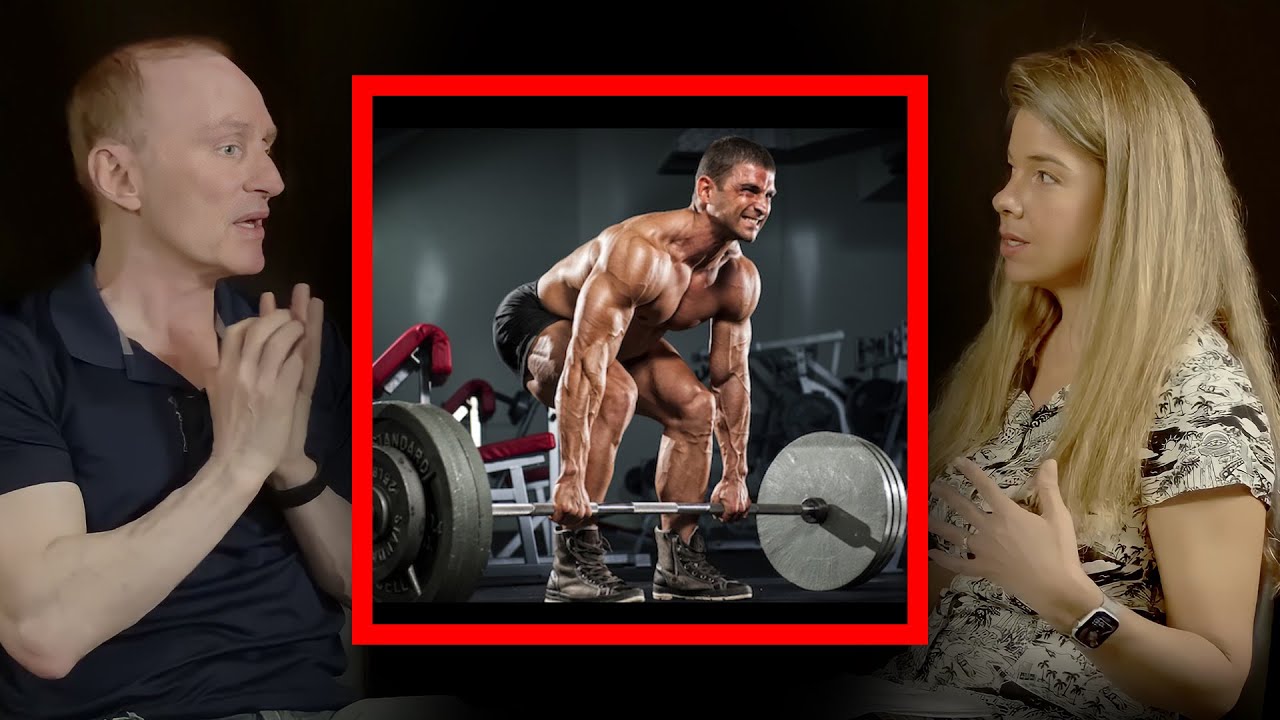
“Dr. Schoenfeld explains that a broad range of loads can support hypertrophy when the working muscles are challenged with sufficient effort. Heavy loads remain especially useful for maximal strength, while lighter loads require more repetitions and closer proximity to fatigue.”
Clip
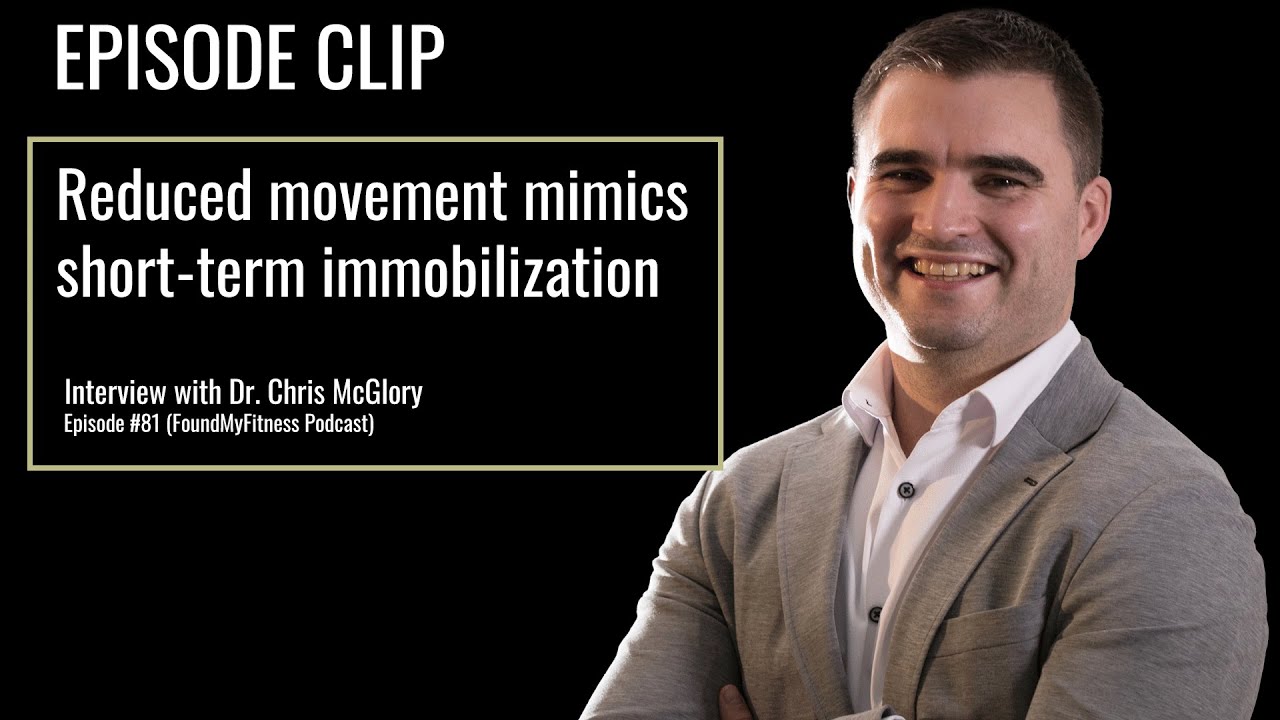
“A study conducted in collaboration with Dr. Stuart Phillips revealed that older pre-diabetic individuals who took fewer than a thousand steps daily for two weeks experienced lasting decreases in protein synthesis and insulin sensitivity, which did not fully recover even after resuming regular activity.”
Results 291–300 of 464
Premium Members received this study with Rhonda’s practical commentary and 8+ other hand-picked papers. Get the Science Digest delivered every other week.
Every other week our Premium Members receive deep dives like this alongside Rhonda's commentary and 8+ other hand-picked papers.