Q&A
Q&A #5: How to Improve Sleep—and What Nutrition Matters During Pregnancy?
Dr. Rhonda Patrick answers audience questions on various health, nutrition, and science topics in this Q&A session.
Search could not finish. Try again.
Found 460 matches across the FoundMyFitness library.
Q&A
Dr. Rhonda Patrick answers audience questions on various health, nutrition, and science topics in this Q&A session.

Clip
“Mitochondrial biogenesis, the formation of new mitochondria within cells, is boosted by exercise to meet heightened energy needs. While all forms of exercise can promote this process, high-intensity interval training (HIIT) might accelerate the surge in mitochondrial content more swiftly than continuous exercise.”
“Modulating autophagy – through fasting and exercise (which both increase acetyl CoA) or intake of nutrients like spermidine – represents a promising therapeutic approach for extending human lifespan and healthspan.”
Clip
“In a controlled study, the last exercise stage at which participants could still speak comfortably produced physiological responses suitable for aerobic training. The method is especially useful when a person is learning how different intensities feel.”
Clip
“In 15 people with severe traumatic brain injury, sodium lactate infusion increased brain lactate, pyruvate, and glucose without raising intracranial pressure, and a randomized study in 60 patients with mild traumatic brain injury reported better cognitive recovery than hypertonic saline.”
Clip
“Exercise, weight management, tobacco avoidance, and alcohol reduction remain useful, but they complement rather than replace genetic counseling, enhanced surveillance, medication, or risk-reducing surgery when clinically indicated.”
Clip
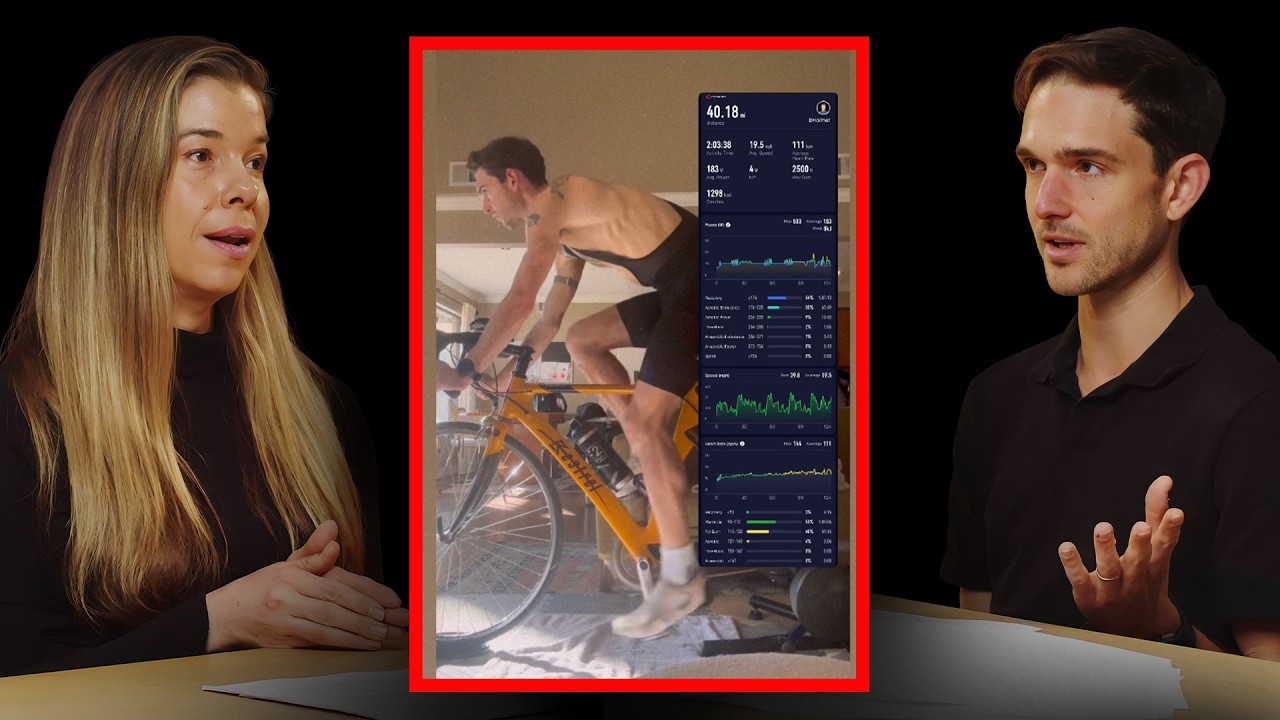
“Training increased VO2 max by about 18 percent and reduced left-ventricular stiffness. The program built toward four to five days per week and combined high-intensity intervals, moderate aerobic work, a longer endurance session, recovery work, and strength training.”
Clip
“In this clip from his FoundMyFitness interview with Dr. Rhonda Patrick, Dr. Benjamin Levine explains why recovery is part of training rather than time lost between workouts. Hard sessions trigger protein synthesis, vascular signaling, and muscular remodeling, but those changes need lower-stress time to develop.”
Q&A
Dr. Rhonda Patrick discusses glucosamine and Alzheimer's, blood flow restriction, beta-glucan fiber, creatine, collagen, red light therapy, and curcumin.
Clip
“In this clip from his FoundMyFitness interview with Dr. Rhonda Patrick, Dr. Luc van Loon explains that protein requirements adapt to habitual high or low intake, but the size and clinical meaning of that adaptation remain uncertain.”
Results 391–400 of 460
Premium Members received this study with Rhonda’s practical commentary and 8+ other hand-picked papers. Get the Science Digest delivered every other week.
Every other week our Premium Members receive deep dives like this alongside Rhonda's commentary and 8+ other hand-picked papers.