1
Collection
What FoundMyFitness Has Covered
PremiumCurcumin is a turmeric-derived curcuminoid studied for effects that may involve cellular stress-response pathways, including activation of antioxidant defenses through Nrf2. Its clinical interpretation depends substantially on formulation: phytosomal delivery may increase systemic exposure, but products…
Your Premium Brief connects insights across FoundMyFitness to help you see the bigger picture.
2
 Clip
Clip
Clip
Curcumin, Urolithin A, and Glutamine: What Human Trials Show
“Phytosomal delivery may improve systemic exposure for some curcumin products, although formulations are not interchangeable. Urolithin A is produced when certain gut microbes transform ellagitannins found in foods such as pomegranates, walnuts, and berries.”
3
Topic
Topic
Hallmarks of aging
“Inhibition of histone deacetylases (HDACs) restores genomic stability "Dietary compounds that inhibit HDAC activity, such as curcumin, resveratrol, and berberine, show promise as anti-aging therapies.". HDACs are enzymes of particular interest to the field of aging research.”
4
 Q&A
Q&A
Q&A
Premium
Q&A #8: Curcumin Bioavailability and Exercise—Plus Coffee and Brain Health
Dr. Rhonda Patrick answers audience questions on various health, nutrition, and science topics in this Q&A session.
5
 Q&A
Q&A
Q&A
Premium
Q&A #14: Berberine for Metabolic Health—Plus Curcumin vs. NSAIDs
Dr. Rhonda Patrick answers audience questions on various health, nutrition, and science topics in this Q&A session.
6
Topic
Topic
Zinc
“A 2026 systematic review and meta-analysis pooled 18 randomized controlled trials involving 1,023 participants with type 1 or type 2 diabetes, gestational diabetes, or prediabetes. Interventions lasted six weeks to one year and provided approximately 4 to 75 milligrams of elemental zinc per day, sometimes alongside magnesium, curcumin, or vitamin A.”
7

Science Digest
A small randomized controlled trial shows curcumin improves memory in older people.
“A small randomized controlled trial shows that a bioavailable form of curcumin improves memory in older people with mild memory complaints. The curcumin group had a 28% improvement in their memory/attention abilities and fewer amyloid plaques and tau tangles in the brain via PET analysis while the placebo group showed no improvements.”
8
 Clip
Clip
Clip
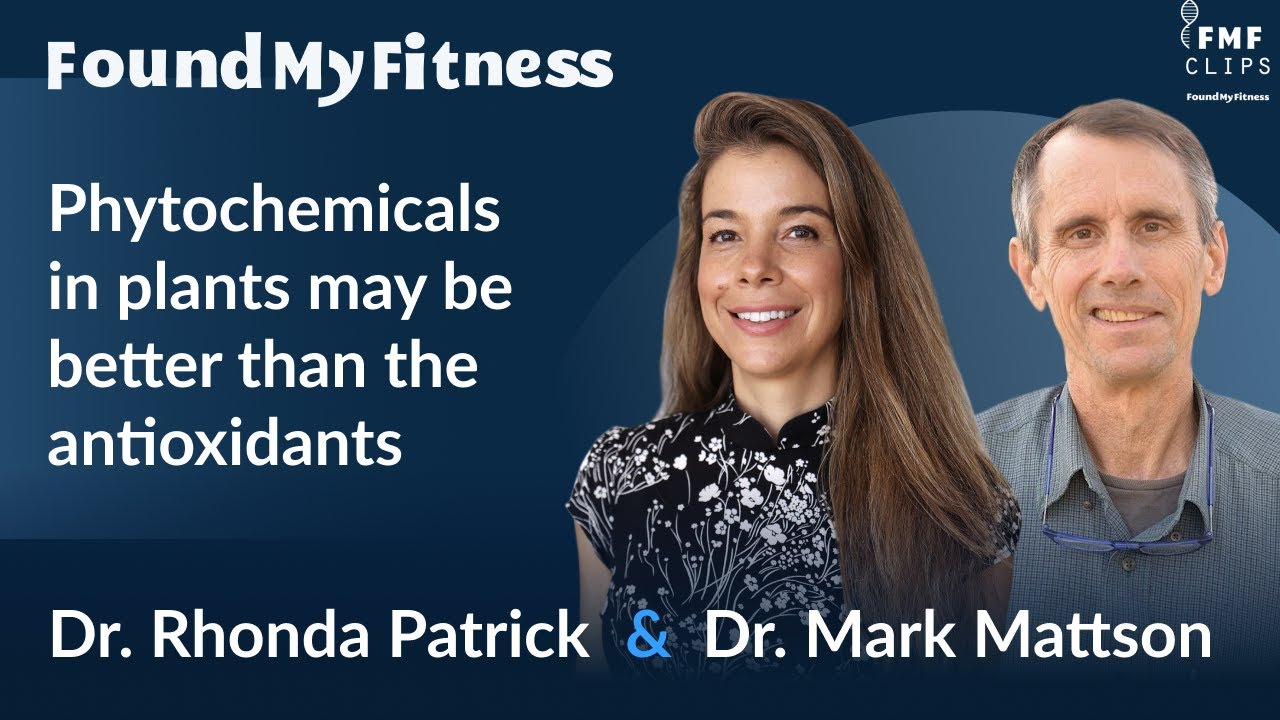
Why the phytochemicals in plants may be better than the antioxidants | Dr. Mark Mattson
“For example, sulforaphane (produced by broccoli, kale, and other cruciferous plants) and curcumin (found in turmeric) are slightly toxic compounds that activate our antioxidant defenses.”
9
Science Digest
Curcumin reduces pain associated with osteoarthritis of the knee.
“Curcumin exhibits a wide array of beneficial health effects, including anti-inflammatory, anti-cancer, and anti-diabetes properties. It is responsible for the bright yellow pigment of turmeric, a type of spice commonly used in Indian food.”
10
Science Digest
Curcumin may improve exercise tolerance through antioxidant-regulating protein Nrf2.
“Curcumin counters these effects by upregulating antioxidant defenses in skeletal muscle, likely mediated by Nrf2 activation. Many plant-based dietary compounds induce Nrf2 activity, including sulforaphane, a compound derived from broccoli and broccoli sprouts.”
Results 1–10 of 100