Filter results by content type

Search results for intestinal permeability

Found 75 matches across the FoundMyFitness library.

75 results

What FoundMyFitness Has Covered

Premium

Intestinal permeability describes how readily material crosses the gut barrier. When barrier integrity is impaired, pathogens, endotoxins, or bacterial components may reach the bloodstream, contributing to metabolic endotoxemia and activation of innate immune pathways implicated in…

Your Premium Brief connects insights across FoundMyFitness to help you see the bigger picture.

2
Episode

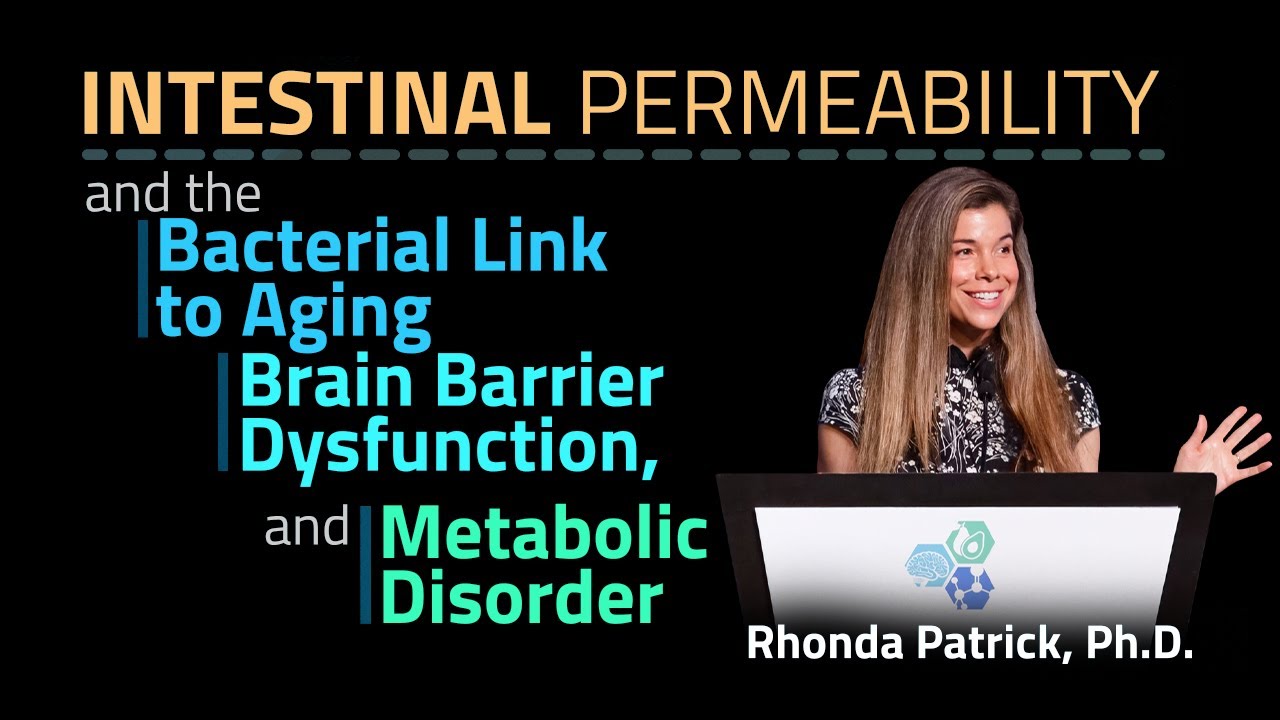
Intestinal Permeability: the Bacterial link to Aging, Brain Barrier Dysfunction & Metabolic Disorder

May 30, 2022

“Gliadin binds to a receptor on gut cells, stimulating the release of zonulin, a protein that regulates the tight junctions between cells in the gut. Zonulin binds to other receptors, resulting in the disassembly of tight junctions and increasing intestinal permeability.”

3
Aliquot Premium

Aliquot #53: Intestinal permeability

Mar 22, 2022

“A healthy intestinal barrier limits the transport of pathogens and endotoxins from the gut to the bloodstream; however, increased gut permeability (known as "leaky gut") raises endotoxin levels, leading to metabolic endotoxemia.”

6
Topic
Topic

Blood-brain barrier

Jun 6, 2025

“Obesity - Obesity increases endotoxemia and toll-like receptor activation due to perturbed intestinal permeability and hyperglycemia,, disrupting blood-brain barrier function. Aerobic exercise - Exercise reduces age-related changes to the blood-brain barrier, increasing leakiness and neurodegeneration.”

7
Topic
Topic

Butyrate

Jul 6, 2026

“Beta-hydroxybutyrate is a source of cellular energy and can be converted to other cellular energy carriers, such as nicotinamide adenine dinucleotide (NAD+). Intestinal permeability is modulated by butyrate produced via fermentation of dietary fiber by gut microbes, strengthening barrier integrity and reducing the risk of disease.”

10
Topic
Topic

Lactobacillus reuteri

Jul 6, 2026

“High-fat diets also increase the secretion of bile acids, which are needed to emulsify fats so they can be absorbed. Increased bile acid production also down-regulates the production of tight junction proteins, increasing intestinal permeability.”

Results 1–10 of 75