• Episodes
  • Topics
  • AMA
  • Science Digest
  • The Aliquot
  • Genetics
Sign in Become a member
Search
Back to episode

FoundMyFitness library

Related Episodes for How ApoB Drives Atherosclerosis and Responds to Diet

Ranked by shared topics, with one result from each original episode.

141
Clip
Clip

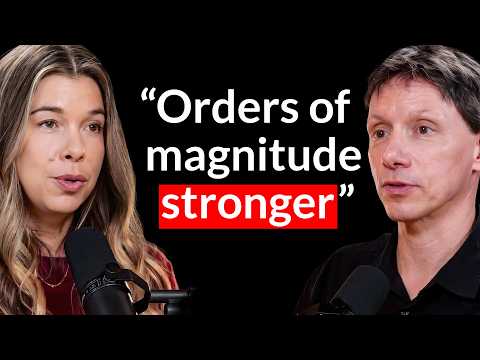
How Vegetable Intake Relates to Epigenetic Aging

Jun 15, 2026

“Other observational research in women has associated healthier dietary patterns with modestly lower acceleration on PhenoAge and GrimAge, while large prospective studies associate greater fruit and vegetable intake with lower cardiovascular and all-cause mortality.”
nutrition exercise diet epigenetics
Watch clip
142
Clip
Clip

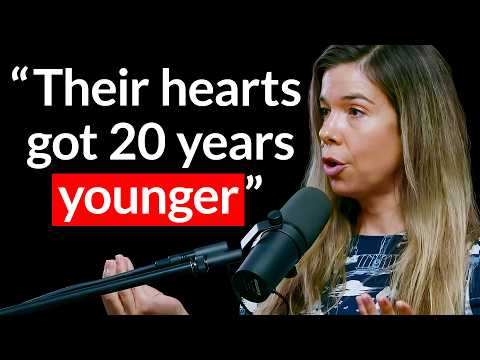
How Vigorous Exercise Builds VO2 Max and Heart Flexibility

Jan 2, 2026

“Large treadmill cohorts associate higher measured fitness with lower mortality, while a 46-year study of middle-aged men linked the highest fitness category with about 4.9 additional estimated life-years compared with the lowest category.”

exercise aging performance heart disease
Watch clip
143
Clip
Clip

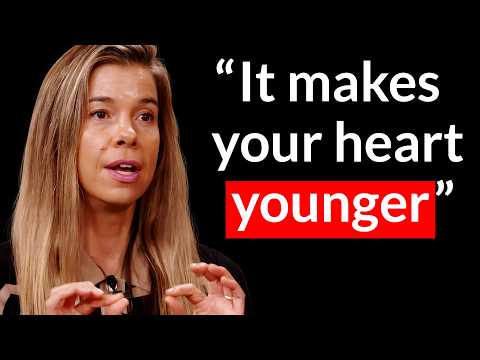
How Vigorous Exercise Improves VO2 Max and Heart Function

Sep 8, 2025

“In this clip from Dr. Rhonda Patrick's appearance on The Tim Ferriss Show, she describes VO2 max as a practical measure of cardiorespiratory fitness and explains why vigorous intervals can create a stronger cardiovascular training stimulus.”

exercise aging performance rhonda
Watch clip
144
Clip
Clip

How Vigorous Interval Training Improves Heart Fitness

Sep 29, 2025

“In a randomized study of healthy adults, four four-minute intervals at 90 to 95 percent of peak heart rate performed three times weekly increased VO2 max by 7.2 percent over eight weeks and outperformed work-matched moderate training.”

exercise aging metabolism performance
Watch clip
145
Clip
Clip

Inflammation and its role in Alzheimer's and Parkinson's | Tim Ferriss

Jun 1, 2020

“Inflammation, a downstream consequence of insulin resistance, promotes the formation of reactive oxygen species and other damaging molecules, which can enter the brain via the lymphatic system.”

alzheimer's diet ketosis insulin resistance
Watch clip
146
Episode
Episode

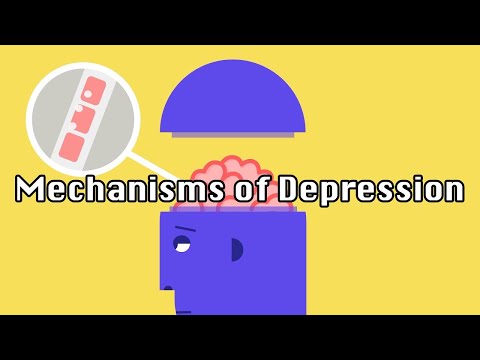
The Underlying Mechanisms of Depression

Mar 18, 2017

“While it’s likely that there may be more going on with depression than just inflammation by itself, it could be an incredibly useful lens through which to look at promising avenues to potentially treat or prevent it, since controlling systemic inflammation shows promise as being both important for longevity and health in general.”

depression nutrition diet inflammation
Play episode
147
Episode
Episode

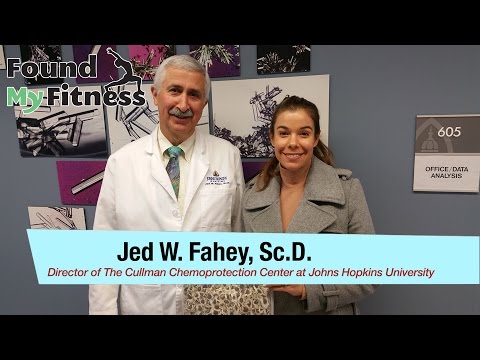
Jed Fahey, ScD, on Isothiocyanates, the Nrf2 Pathway, Moringa, & Sulforaphane Supplementation

Jan 19, 2017

“Few topics come up in their discussion where Dr. Fahey doesn't have an anecdote about a study he was involved in, or, in some cases, "tribal knowledge" that may not even be published but is nonetheless interesting and an important part of the story that is unique to his particular vantage point.”

sulforaphane nutrition brain diet
Play episode
148
Episode
Episode

Joe Rogan Experience #1178 - Dr. Rhonda Patrick

Oct 2, 2018

“00:29:20 - Organs shrink during fasting and then regrow after refeeding. Study. 00:29:45 - Fasting stresses healthy cells so they increase their stress-response pathways, including heat shock proteins, antioxidant production, and anti-inflammatory.”

nutrition alzheimer's diet microbiome
Play episode
149
Episode
Episode

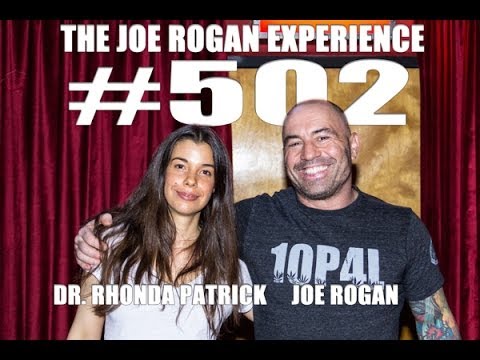
Joe Rogan Experience #502 - Dr. Rhonda Patrick

May 16, 2014

“02:03:18 - A recent study measured omega-3 fatty acid levels from both supplemental and dietary sources in blood and found that for every 1 percent increment in omega-3 fatty acid levels there was a 20 percent decreased risk in all-cause mortality.”

rhonda vitamin d nutrition brain
Play episode
150
Clip
Clip

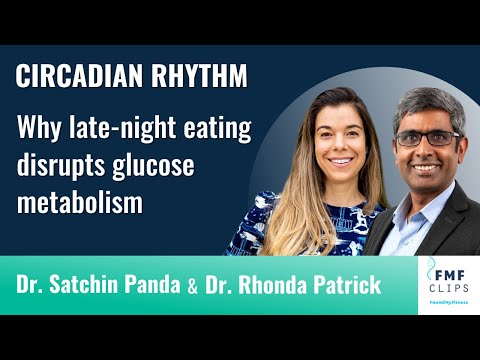
Why late-night eating disrupts glucose metabolism | Dr. Satchin Panda

Jul 27, 2021

“If we eat carbohydrate-containing foods when melatonin levels are high, our pancreas cannot produce the insulin needed to use the glucose. Therefore, eating too close to bedtime or immediately upon waking, before nightly melatonin levels have declined, may hamper the body's ability to process glucose.”

metabolism diet obesity diabetes
Watch clip
Load more related episodes

Explore More

  • Home
  • Episodes
  • Membership
  • The Aliquot
  • About
  • Healthspan Gear
  • Genetics

Our Mission

Promoting strategies to increase healthspan, well-being, cognitive and physical performance through deeper understandings of biology. Learn more about Dr. Rhonda Patrick.

Questions?

Send us a message here

Search

Follow us here

  • Instagram
  • Twitter
  • Facebook

Watch and listen

  • YouTube
  • Apple Podcasts
  • Spotify
This site is protected by reCAPTCHA and is subject to the Google Privacy Policy and Terms of Service, as well as our own Privacy Policy and Terms of Service.