Q&A
Q&A #25: COVID-19 Vaccines—Spike Protein, Ivermectin, & Pregnancy
Dr. Rhonda Patrick answers audience questions on various health, nutrition, and science topics in this Q&A session.
FoundMyFitness library
Ranked by shared topics, with one result from each original episode.
Q&A
Dr. Rhonda Patrick answers audience questions on various health, nutrition, and science topics in this Q&A session.
Q&A
Dr. Rhonda Patrick discusses resistant starch, red light therapy risks, stem cells, and the link between benzodiazepines and dementia in her latest Q&A session.
Q&A
Dr. Rhonda Patrick discusses Akkermansia muciniphila, vitamin B1's effect on blood sugar, emulsifiers in food, and electrolyte supplements.
Q&A
Dr. Rhonda Patrick discusses GLP-1 agonists, alpha-lipoic acid, ubiquinone vs. ubiquinol, calcium needs, and liquid biopsy cancer screening.
Clip
“The main ingredient-interaction evidence concerns polyphenol oxidase. A small controlled crossover study found that a high-PPO banana smoothie greatly reduced circulating flavan-3-ol metabolites compared with a low-PPO berry drink or capsule control.”
Episode
“The fascinating way Dr. Panda is using human anecdote from his trial to ask new scientific questions he wouldn't think to ask and then going back to animal data to figure it out and how this unique approach forms a sort of closed loop pattern: animal → human feedback → back to animal for mechanism.”
Clip
“The Kuopio Ischemic Heart Disease Risk Factor Study, an ongoing prospective population-based cohort study of health outcomes in more than 2,300 middle-aged men from eastern Finland, identified strong, dose-dependent links between sauna use and reduced death and disease.”
Episode
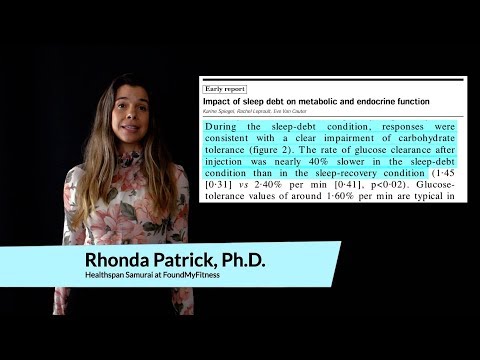
“When most people think about certain lifestyle factors that affect insulin sensitivity and blood glucose levels, they think about macronutrient composition, or calories, or fasting, or exercise (and lack of), but they don’t often think about sleep.”
Clip
“When mice consume a diet that is high in fat and sugar, they tend to develop metabolic diseases, such as obesity, diabetes, and cardiovascular disease, much like humans who eat a similar diet.”