• Episodes
  • Topics
  • AMA
  • Science Digest
  • The Aliquot
  • Genetics
Sign in Become a member
Search
Back to episode

FoundMyFitness library

Related Episodes for Dr. Dominic D'agostino's experience following a carnivore diet | Dominic D'Agostino

Ranked by shared topics, with one result from each original episode.

171
Episode
Episode

How To Increase Sulforaphane in Broccoli Sprouts by ~3.5-fold

Nov 16, 2017

“This is a video on how to plausibly increase the sulforaphane created from the glucoraphanin in your broccoli sprouts by up to 3.5-fold, based on the results of a 2004 Phytochemistry paper entitled "Heating decreases epithiospecifier protein activity and increases sulforaphane formation in broccoli."”
sulforaphane diet video nrf2
Play episode
172
Clip
Clip

Sleep deprivation linked to loneliness | Matthew Walker

Jul 12, 2019

“Chiefly, sleep deprivation triggers the onset of a "loneliness phenotype" by inducing critical changes within the brain that alter behavior and emotions, disturb metabolic processes, and influence the expression of immune-related genes.”

sleep brain metabolism immune system
Watch clip
173
Episode
Episode

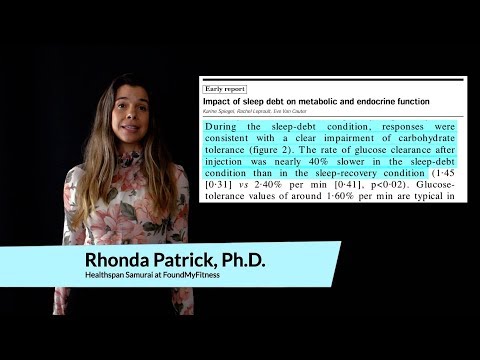
Sleep loss impairs glucose regulation (but exercise helps)

Mar 13, 2019

“When most people think about certain lifestyle factors that affect insulin sensitivity and blood glucose levels, they think about macronutrient composition, or calories, or fasting, or exercise (and lack of), but they don’t often think about sleep.”

sleep exercise obesity metabolism
Play episode
174
Episode
Episode

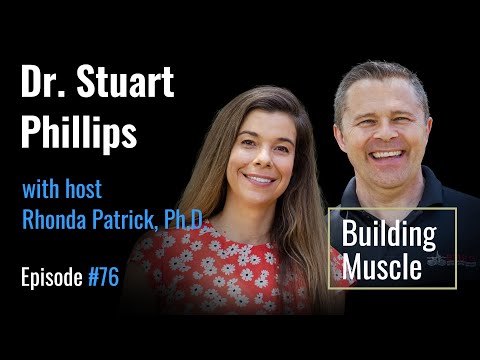
Stuart Phillips, PhD, on Building Muscle with Resistance Exercise and Reassessing Protein Intake

Jun 29, 2022

“Based on findings from more recent studies using stable isotopes, which more accurately assess muscle protein anabolism and catabolism, Dr. Phillips believes that eating 1.2 to 1.6 grams of protein per kilogram of bodyweight (about 0.5 to 0.7 grams per pound) is likely optimal for muscle protein synthesis, especially as one ages.”

exercise vitamin d nutrition diet
Play episode
175
Clip
Clip

What Alpha-Lipoic Acid Does in Metabolism

Jan 22, 2025

“Human trials suggest that alpha-lipoic acid can modestly improve selected lipid measures. A dose-response meta-analysis of 12 studies found reductions in total cholesterol, LDL cholesterol, and triglycerides across doses from 300 to 1,200 milligrams per day.”

supplements metabolism cholesterol mitochondria
Watch clip
176
Clip
Clip

Supplemental ketones in the context of fasting | Rhonda Patrick

Jul 15, 2019

“Clinical data suggest that taking supplemental ketones during fasting increases blood levels of ketones but decreases levels of free fatty acids, indicating that the body is no longer relying on stored fatty acids.”

fasting diet weight loss supplements
Watch clip
177
Episode
Episode

Dr. Terry Wahls Discusses Her Multiple Sclerosis Protocol

Jul 22, 2014

“In this video, Dr. Rhonda Patrick interviews Dr. Terry Wahls about how she reversed her secondary-progressive multiple sclerosis with a micronutrient-dense diet and Paleo principles.”

nutrition brain diet epigenetics
Play episode
178
Clip
Clip

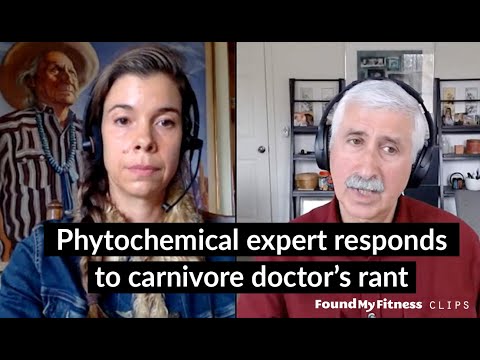
Two-decade phytochemical expert Dr. Jed Fahey responds to carnivore doctor’s rant | Jed Fahey

Dec 3, 2020

“Robust scientific evidence indicates that consuming a plant-rich diet that provides vitamins, minerals, fiber, and phytochemicals is healthier than consuming an all-meat diet. In this clip, Dr. Jed Fahey rebuts popular claims that an all-meat diet is healthful.”

sulforaphane diet autism isothiocyanates
Watch clip
179
Clip
Clip

How Ultra-Processed Foods Drive Overeating and Weight Gain

Jul 2, 2025

“The menus were matched for presented calories, energy density, total sugar, sodium, and fiber, but not added sugar: much more of the ultra-processed diet's sugar was added rather than contained in fruit. Protein was also only approximately matched, at about 14% versus 15.6% of calories.”

nutrition satiety ultra-processed foods diet
Watch clip
180
Clip
Clip

Dr. Valter Longo's personal approach to fasting and weight management

Jul 15, 2019

“In conjunction with a restricted eating window, meal frequency can also play a role. Two meals a day may be optimal for individuals who are predisposed to gaining weight while people not prone to weight gain may prefer to eat three times a day.”

fasting diet obesity ketosis
Watch clip
Load more related episodes

Explore More

  • Home
  • Episodes
  • Membership
  • The Aliquot
  • About
  • Healthspan Gear
  • Genetics

Our Mission

Promoting strategies to increase healthspan, well-being, cognitive and physical performance through deeper understandings of biology. Learn more about Dr. Rhonda Patrick.

Questions?

Send us a message here

Search

Follow us here

  • Instagram
  • Twitter
  • Facebook

Watch and listen

  • YouTube
  • Apple Podcasts
  • Spotify
This site is protected by reCAPTCHA and is subject to the Google Privacy Policy and Terms of Service, as well as our own Privacy Policy and Terms of Service.