Q&A
Q&A #33: Do Resveratrol and Berberine Blunt Exercise Benefits?—Plus Cardio Zones
Dr. Rhonda Patrick answers audience questions on various health, nutrition, and science topics in this Q&A session.

FoundMyFitness library
Ranked by shared topics, with one result from each original episode.
Q&A
Dr. Rhonda Patrick answers audience questions on various health, nutrition, and science topics in this Q&A session.

Q&A
Dr. Rhonda Patrick answers audience questions on various health, nutrition, and science topics in this Q&A session.

Q&A
Dr. Rhonda Patrick answers audience questions on various health, nutrition, and science topics in this Q&A session.

Q&A
Dr. Rhonda Patrick discusses if smoked salmon is carcinogenic, high-dose melatonin, creatine on workout vs. non-workout days, and the Neurocode brain scan.
Q&A
“This is a personal preparation example, not the high-dose oat regimen used in clinical research or a measured 3-gram beta-glucan serving. For the research on LDL cholesterol, microbial metabolites, and oat preparation, see Oats and beta-glucan.”
Episode
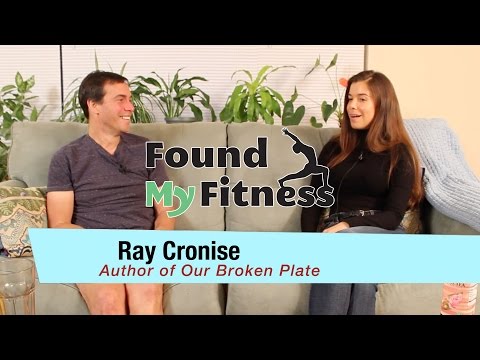
“Dr. Rhonda Patrick speaks with Ray Cronise, a former NASA material scientist and co-founder of zero gravity, a company that offers weightless parabolic flights to consumers and researchers.”
Clip
“In a small randomized crossover trial, a single high dose of creatine improved selected cognitive outcomes during acute sleep deprivation, adding context for her interest in higher doses during travel or sleep loss.”
Clip
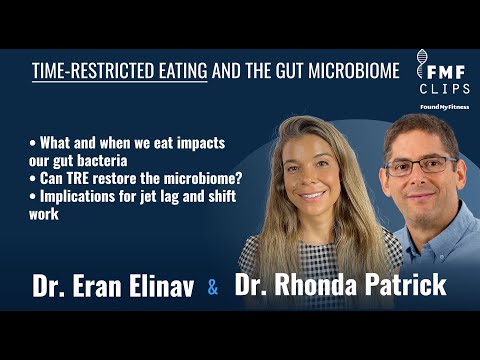
“Normalizing the timing of food intake via time-restricted eating may help restore microbiome composition, potentially offsetting the increased disease risk. In this clip, Dr. Eran Elinav describes how the circadian rhythmicity of the microbiome is regulated and how this affects human health.”
Clip
“In conjunction with a restricted eating window, meal frequency can also play a role. Two meals a day may be optimal for individuals who are predisposed to gaining weight while people not prone to weight gain may prefer to eat three times a day.”
Clip
“In a controlled five-week crossover trial involving men with prediabetes, an early six-hour eating window with dinner before 3 p.m. improved insulin sensitivity, pancreatic beta-cell responsiveness, blood pressure, oxidative stress, and appetite without causing weight loss.”