• Episodes
  • Topics
  • AMA
  • Science Digest
  • The Aliquot
  • Genetics
Sign in Become a member
Search
Back to episode

FoundMyFitness library

Related Episodes for Exercise and Nutrition Strategies That Support Bone Density After 65

Ranked by shared topics, with one result from each original episode.

21
Episode
Episode

3 Mechanisms for Magnesium Deficiency

May 16, 2014

“In a previous episode, entitled "Maximizing Your Mitochondria with Magnesium," we learned that 45% of the US population is deficient in magnesium and the important role magnesium plays in mitochondrial function and how this relates to exercise performance by ensuring your muscle cells have the highest oxidative capacity (ability to produce ATP or "energy") possible.”


magnesium nutrition diet micronutrients
Play episode
22
Clip
Clip

How to Fill Common Nutrient Gaps

Jul 17, 2025

“She highlights its roles in brain health and homocysteine metabolism. Product quality matters for omega-3 supplements because these fats oxidize readily; she favors products with third-party testing for oxidation and labeled EPA and DHA content, with algal oil as a vegan option.”

supplements vitamin d omega-3 magnesium
Watch clip
23
Clip
Clip

A circadian plan anyone can follow | Dr. Satchin Panda

Jul 27, 2021

“Practicing healthy light exposure habits — seeking bright light in the morning and avoiding it in the evening — is crucial. When we eat also plays a role, and eating too close to bedtime disrupts sleep and shifts circadian timing over the next few days.”

circadian rhythm exercise blue light
Watch clip
24
Clip
Clip

A Five-Part Morning Routine for Deep Focus

May 20, 2026

“Dr. Brooks's exact practice of waking 96 minutes before dawn comes from the Vedic concept of Brahma Muhurta rather than a tested clinical protocol. Creatine may provide modest cognitive benefits in some settings, although results in healthy adults are mixed.”

exercise circadian rhythm meditation behavior
Watch clip
25
Clip
Clip

A Simple Way to Practice Getting Up From the Floor

May 6, 2026

“In more than 2,000 adults ages 51 to 80, higher Sitting-Rising Test scores were associated with longer survival, making floor-transfer ability a useful marker of functional capacity. Floor time can include cross-legged sitting, kneeling, side-sitting, or sitting with the legs extended.”

exercise aging performance behavior
Watch clip
26
Clip
Clip

Aerobic exercise lengthens telomeres and buffers against losses caused by stress | Elissa Epel

Jun 25, 2019

“A growing body of scientific evidence suggests that there's a correlation between nutrition, exercise, sleep, and stress management and having longer telomeres. Identifying the mechanisms that drive these correlations has proven challenging, but a few candidates stand out, including improvements in immune function and metabolic health.”

telomeres exercise aging
Watch clip
27
Clip
Clip

Aerobic exercise alters tryptophan and kynurenine metabolism (beneficial for depression)

Apr 9, 2022

In this clip, Dr. Patrick explains how intense exercise beneficially alters tryptophan and kynurenine metabolism in a way that may benefit depression.

depression exercise metabolism aerobic
Watch clip
28
Clip
Clip

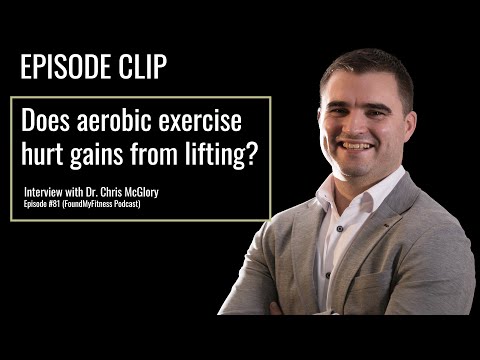
Does aerobic exercise hurt gains from lifting? | Dr. Chris McGlory

Jul 3, 2023

“Dr. McGlory sheds light on the relationship between aerobic conditioning and muscle hypertrophy, addressing the notion that aerobic exercise might hinder muscle growth gained through resistance training.”

exercise muscle aerobic
Watch clip
29
Clip
Clip

Age and gender-specific effects of metformin (animal research) | Rhonda Patrick

Aug 11, 2020

“Metformin, a drug commonly used to treat type 2 diabetes, has garnered interest as a longevity compound because it was shown to extend lifespan in some animal models. These effects are variable and seem to depend on the age and gender of the animals, as well as the dose provided.”

aging diabetes metformin
Watch clip
30
Clip
Clip

Identifying age-related sleep deprivation vulnerability window for prevention of Alzheimer's disease | Matthew Walker

Jul 12, 2019

“The fact that poor sleep is linked with the aggregation of amyloid-beta plaques in the brain and Alzheimer's disease is not surprising. Although some strategies for improving the quality of sleep among people with Alzheimer's have been identified, this might be too late to turn the tide of cognitive decline.”

sleep brain alzheimer's aging
Watch clip
Load more related episodes

Explore More

  • Home
  • Episodes
  • Membership
  • The Aliquot
  • About
  • Healthspan Gear
  • Genetics

Our Mission

Promoting strategies to increase healthspan, well-being, cognitive and physical performance through deeper understandings of biology. Learn more about Dr. Rhonda Patrick.

Questions?

Send us a message here

Search

Follow us here

  • Instagram
  • Twitter
  • Facebook

Watch and listen

  • YouTube
  • Apple Podcasts
  • Spotify
This site is protected by reCAPTCHA and is subject to the Google Privacy Policy and Terms of Service, as well as our own Privacy Policy and Terms of Service.