• Episodes
  • Topics
  • AMA
  • Science Digest
  • The Aliquot
  • Genetics
Sign in Become a member
Search
Back to episode

FoundMyFitness library

Related Episodes for How the benefits of exercise can be blocked by NSAIDs and high dose supplementation of antioxidants.

Ranked by shared topics, with one result from each original episode.

161
Clip
Clip

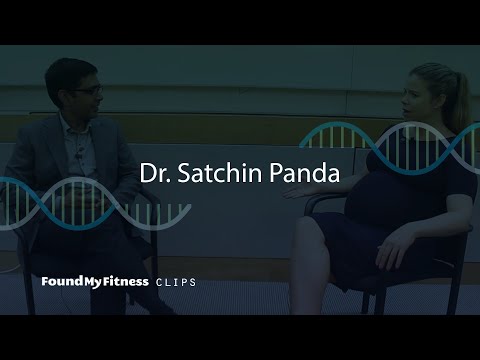
How do supplements and exercise training affect timing-restricted eating? | Satchin Panda

Jul 12, 2019

“Similarly, the timing of eating and exercise, especially in elite athletes, has not been studied and may, in fact, require self-experimentation by the athletes as they find the perfect interval of fasting to support their optimal performance.”
circadian rhythm time-restricted eating supplements
Watch clip
162
Clip
Clip

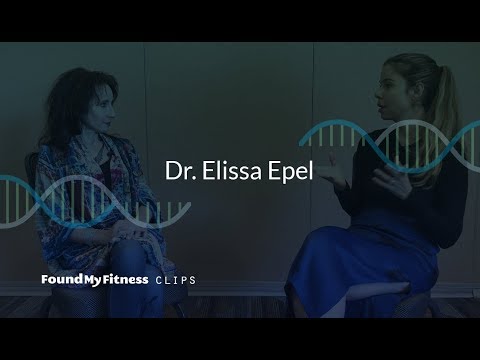
Supplements that lengthen telomeres | Elissa Epel

Jun 25, 2019

“Candidates include vitamin D, omega-3 fatty acids, and TA-65, a product that purportedly contains extracts of astragalus membranaceus, a plant-based compound that demonstrates immunomodulatory, anti-oxidative stress, and anti-aging effects, the latter of which are associated with longer telomeres.”

telomeres vitamin d nutrition aging
Watch clip
163
Episode
Episode

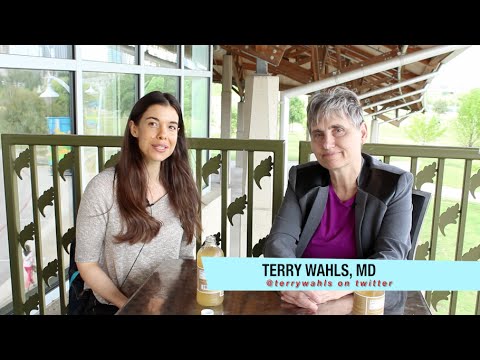
Dr. Terry Wahls Discusses Her Multiple Sclerosis Protocol

Jul 22, 2014

“In this video, Dr. Rhonda Patrick interviews Dr. Terry Wahls about how she reversed her secondary-progressive multiple sclerosis with a micronutrient-dense diet and Paleo principles.”

nutrition brain diet epigenetics
Play episode
164
Clip
Clip

How Vitamin D Status Relates to Dementia Risk

Jun 30, 2025

“A national survey analysis estimated 2.6% severe deficiency, 22% moderate deficiency, and 40.9% insufficiency among US adults, although prevalence changes with the threshold used. These categories should remain distinct because insufficiency is not the same as clinical deficiency.”

vitamin d brain aging micronutrients
Watch clip
165
Episode
Episode

Why Vitamin D Deficiency Accelerates Brain Aging

May 19, 2025

“A 12-month randomized controlled trial found that vitamin D supplementation improved cognitive function, intelligence quotient scores, telomere length, and lowered oxidative stress markers in older adults with mild cognitive impairment (compared to placebo), suggesting that not only does vitamin D supplementation improve biomarkers of aging, but also functional outcomes.”

vitamin d alzheimer's dementia supplements
Play episode
166
Clip
Clip

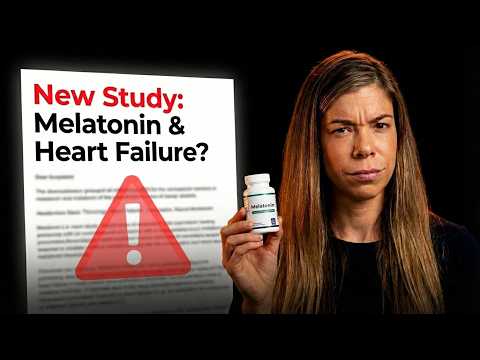
What a Melatonin Study Found About Heart Failure

Jan 12, 2026

“A 2025 meta-analysis found improved quality of life, no clear overall change in ejection fraction, and a borderline improvement in New York Heart Association functional class across a small set of trials.”

sleep heart disease biomarkers circadian rhythm
Watch clip
167
Clip
Clip

What a New Creatine Trial Really Measured

Mar 31, 2025

“A meta-analysis restricted to direct regional measures from MRI, CT, or ultrasound found a very small average hypertrophy benefit when creatine was combined with resistance training, with uncertainty around the pooled estimate and variation across sites and populations.”

exercise performance muscle strength
Watch clip
168
Clip
Clip

What Urolithin A May Offer for Muscle and Mitochondrial Health

Sep 14, 2026

“In a four-month randomized trial of 88 overweight, untrained middle-aged adults, daily doses of 500 or 1,000 milligrams improved some muscle and mitochondrial measures, while the primary outcome of peak power did not significantly improve.”

microbiome performance mitochondria rhonda
Watch clip

Explore More

  • Home
  • Episodes
  • Membership
  • The Aliquot
  • About
  • Healthspan Gear
  • Genetics

Our Mission

Promoting strategies to increase healthspan, well-being, cognitive and physical performance through deeper understandings of biology. Learn more about Dr. Rhonda Patrick.

Questions?

Send us a message here

Search

Follow us here

  • Instagram
  • Twitter
  • Facebook

Watch and listen

  • YouTube
  • Apple Podcasts
  • Spotify
This site is protected by reCAPTCHA and is subject to the Google Privacy Policy and Terms of Service, as well as our own Privacy Policy and Terms of Service.