• Episodes
  • Topics
  • AMA
  • Science Digest
  • The Aliquot
  • Genetics
Sign in Become a member
Search
Back to episode

FoundMyFitness library

Related Episodes for Heredity plays a key role in epigenetic aging speed | Steve Horvath

Ranked by shared topics, with one result from each original episode.

131
Clip
Clip

How Vigorous Exercise Compares With Daily Steps

Jul 14, 2026

“The 10,000-step target began as a memorable way to market a Japanese pedometer, not as a biological threshold. Walking still matters because replacing sedentary time with movement supports health, and large cohort studies associate more daily steps with lower mortality.”

exercise cancer aging mortality
Watch clip
132
Episode
Episode

The Longevity & Brain Benefits of Vigorous Exercise

Dec 1, 2023

“Reversing the Cardiac Effects of Sedentary Aging in Middle Age—A Randomized Controlled Trial - In sedentary middle-aged adults, 2 years of regular exercise improved heart function and reduced heart stiffness, potentially lowering future heart failure risk.”

exercise brain cancer aging
Play episode
133
Clip
Clip

How Vigorous Exercise Protects Fitness With Age

Dec 15, 2025

“In the five-year Generation 100 trial, adults ages 70 to 77 completed supervised high-intensity interval training or moderate continuous training, demonstrating that structured vigorous exercise can be feasible in older populations when it is introduced progressively and matched to health and fitness.”

exercise aging rhonda muscle
Watch clip
134
Episode
Episode

Hyperthermic Conditioning for Hypertrophy, Endurance, and Neurogenesis

Apr 10, 2014

“Dr. Rhonda Patrick discusses how conditioning the body to heat stress through sauna use, called "hyperthermic conditioning" may cause adaptations that increase athletic endurance (by increasing plasma volume and blood flow to heart and muscles) and potentially even muscle mass. She also discusses the profound effects of hyperthermic conditioning on the brain including cognitive function.”

sauna exercise brain aging
Play episode
135
Clip
Clip

Does increasing IGF-1 lead to cancer? | Rich Roll

Apr 2, 2022

“Insulin-like growth factor 1 (IGF-1) plays a role during childhood for growth and continues later in life to have anabolic and neurotrophic effects. IGF-1 is also implicated in contributing to aging and enhancing the growth of cancer after it has been initiated.”

cancer aging insulin protein
Watch clip
136
Episode
Episode

Dr. Jari Laukkanen on Sauna Use for the Prevention of Cardiovascular & Alzheimer’s Disease

Jun 15, 2017

Many of the anabolic effects of growth hormone are thought to be mediated by insulin-like growth factor-1, or IGF-1 (https://www.ncbi.nlm.nih.gov/pubmed/18500379), which is synthesized primarily in the liver but also in skeletal muscle in response to growth hormone.

heat stress alzheimer's aging heart disease
Play episode
137
Episode
Episode

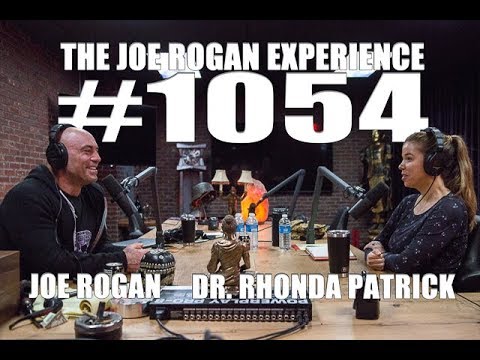
Joe Rogan Experience #1054 - Dr. Rhonda Patrick

Dec 21, 2017

“Study. 01:43:00 - High animal protein intake was only positively associated with cardiovascular mortality among individuals with at least one unhealthy lifestyle risk factor, such as obesity or sedentary lifestyle. Study.”

rhonda nutrition brain diet
Play episode
138
Episode
Episode

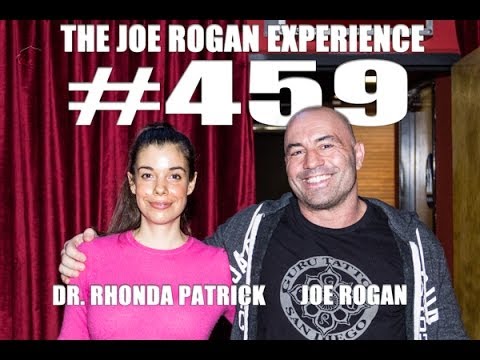
Joe Rogan Experience #459 - Dr. Rhonda Patrick

Feb 20, 2014

“01:52:55 - Environmental enrichment creates epigenetic changes that benefit learning and memory in rodents and these benefits transfer to offspring. Study. 02:05:00 - NASA study showed that gravity influenced expression of genes involved in metastasis.”

microbiome vitamin d nutrition cancer
Play episode
139
Episode
Episode

Judith Campisi, Ph.D., on Cellular Senescence, Mitochondrial Dysfunction, Cancer & Aging

Apr 28, 2017

“Some of the factors contributing to these variable phenotypes include persistent damage to our DNA and mitochondrial dysfunction, driven by an altered NAD:NADH ratio, the latter of which has recently been shown to be improved by certain dietary supplements like nicotinamide riboside.”

aging telomeres podcast dna damage
Play episode
140
Clip
Clip

Low Omega-3 Status and the Risk of Early Death

Jan 9, 2026

“A later Framingham analysis followed 2,240 adults for 11 years and found that a red-cell fatty acid model including the Omega-3 Index predicted all-cause mortality about as well as a model using several standard cardiovascular risk factors.”

nutrition diet aging biomarkers
Watch clip
Load more related episodes

Explore More

  • Home
  • Episodes
  • Membership
  • The Aliquot
  • About
  • Healthspan Gear
  • Genetics

Our Mission

Promoting strategies to increase healthspan, well-being, cognitive and physical performance through deeper understandings of biology. Learn more about Dr. Rhonda Patrick.

Questions?

Send us a message here

Search

Follow us here

  • Instagram
  • Twitter
  • Facebook

Watch and listen

  • YouTube
  • Apple Podcasts
  • Spotify
This site is protected by reCAPTCHA and is subject to the Google Privacy Policy and Terms of Service, as well as our own Privacy Policy and Terms of Service.