• Episodes
  • Topics
  • AMA
  • Science Digest
  • The Aliquot
  • Genetics
Sign in Become a member
Search
Back to episode

FoundMyFitness library

Related Episodes for How Nutrient Status and Selected Supplements Relate to Testosterone

Ranked by shared topics, with one result from each original episode.

91
Clip
91 Clip Jun 11, 2026

How a Daily Multivitamin Affected Cognition and Epigenetic Aging

Jun 11, 2026

“Earlier long-term research in older male physicians found no cognitive benefit, and the main COSMOS trial did not significantly reduce invasive cancer, cardiovascular events, or mortality over a median of 3.6 years.”
nutrition epigenetics aging supplements
Watch clip
92
Clip
92 Clip Jun 14, 2026

How Beta-Glucan Compares With Psyllium for LDL and PFAS

Jun 14, 2026

“In a secondary analysis of 72 men, the combined concentration of six PFAS declined by about 8 percent within the oat beta-glucan group over four weeks, while the study did not distinguish the magnitude of change from the control group.”

PFAS beta-glucan gut cholesterol
Watch clip
93
Clip
93 Clip Feb 19, 2026

How Cold Exposure Affects Focus and Muscle Growth

Feb 19, 2026

“A systematic review found no overall improvement in mood after cold-water immersion, while a small randomized trial found that repeated whole-body cryotherapy improved depression scores when added to standard pharmacological treatment.”

exercise depression mental health mitochondria
Watch clip
94
Clip
94 Clip Feb 6, 2026

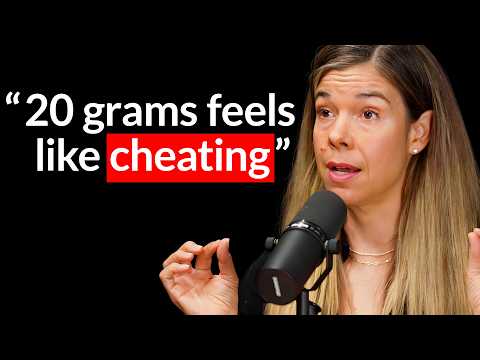
How Creatine Dose Relates to Muscle and Brain Energy

Feb 6, 2026

“A small magnetic-resonance spectroscopy study also found that 20 grams per day for four weeks increased brain creatine by an average of about 8.7 percent, showing that brain uptake is possible but variable.”

exercise brain sleep performance
Watch clip
95
Clip
95 Clip Nov 10, 2025

How Creatine Dose Shapes Muscle and Brain Benefits

Nov 10, 2025

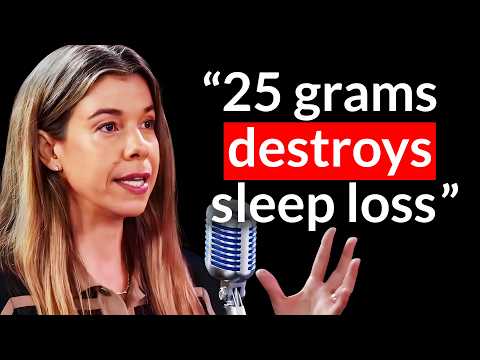
“High energy demand is a promising research setting. In a randomized crossover study of 15 healthy adults undergoing 21 hours of sleep deprivation, a single 0.35-gram-per-kilogram dose changed cerebral energy measures and improved selected cognitive outcomes.”

brain sleep performance rhonda
Watch clip
96
Clip
96 Clip Feb 23, 2026

How Creatine Supports Muscle and Brain Energy

Feb 23, 2026

“A later crossover study using a lower weight-based dose found its clearest benefit in reasoning, while several memory, accuracy, fatigue, and sleepiness outcomes did not reliably improve. Routine muscle supplementation and acute sleep-loss research use different protocols.”

exercise brain aging sleep
Watch clip
97
Clip
97 Clip Dec 3, 2025

How Daily Habits and Nutrients Can Reduce Migraine Frequency

Dec 3, 2025

“In another randomized trial, advice to drink an additional 1.5 liters of water daily improved migraine-specific quality of life, even though headache-day counts did not clearly change. Selected nutrients may help some people as part of a broader prevention plan.”

nutrition exercise sleep omega-3
Watch clip
98
Clip
98 Clip Jun 1, 2026

How Exercise and Energy Balance Reduce Visceral Fat

Jun 1, 2026

“Time-restricted eating can help some people reduce eating opportunities, although a 12-month trial found no additional weight or body-fat benefit when an eight-hour eating window was added to calorie restriction. Sleep also affects appetite and fat distribution.”

exercise brain diet sleep
Watch clip
99
Clip
99 Clip Oct 29, 2025

How Exercise and Sleep Support Immune Function With Age

Oct 29, 2025

“A systematic review in older adults linked Mediterranean dietary patterns with lower inflammatory markers, while a meta-analysis of randomized trials found that vitamin D supplementation reduced acute respiratory infection risk overall, with the strongest protection among people who were very deficient and received regular doses.”

nutrition exercise aging sleep
Watch clip
100
Clip
100 Clip Dec 10, 2025

How Exercise-Driven Shear Stress Affects Arteries and Tumor Cells

Dec 10, 2025

“A meta-analysis of seven randomized trials involving 182 participants found that high-intensity interval training improved flow-mediated dilation by 4.31%, compared with 2.15% after moderate-intensity continuous training, with a 2.26-percentage-point advantage between groups.”

exercise cancer heart disease rhonda
Watch clip
Load more related episodes

Explore More

  • Home
  • Episodes
  • Membership
  • The Aliquot
  • About
  • Healthspan Gear
  • Genetics

Our Mission

Promoting strategies to increase healthspan, well-being, cognitive and physical performance through deeper understandings of biology. Learn more about Dr. Rhonda Patrick.

Questions?

Send us a message here

Search

Follow us here

  • Instagram
  • Twitter
  • Facebook

Watch and listen

  • YouTube
  • Apple Podcasts
  • Spotify
This site is protected by reCAPTCHA and is subject to the Google Privacy Policy and Terms of Service, as well as our own Privacy Policy and Terms of Service.