Q&A #50 with Dr. Rhonda Patrick (8/5/23)

Get these episodes in a convenient podcast format.
These live recorded Q&A episodes make great companion listening for a long drive. You can find these Q&A episodes alongside great interview aliquots and other special members-only episodes on The Aliquot, our official premium FoundMyFitness podcast.
In this Q&A, Dr. Rhonda Patrick explores taurine's longevity role, cocoa flavanols, training adaptations, and oral hyaluronic acid. Timestamps include:
-
Can high-dose fish oil supplementation cause atrial fibrillation?
-
Should protein intake be adjusted based on exercise days versus rest days?
-
Does Rhonda have concerns about seed oils?
-
Are there any new ingredients in Rhonda's green smoothie?
-
Which vitamin K2 does Rhonda take?
-
Any concerns with eating canned smoked oysters?
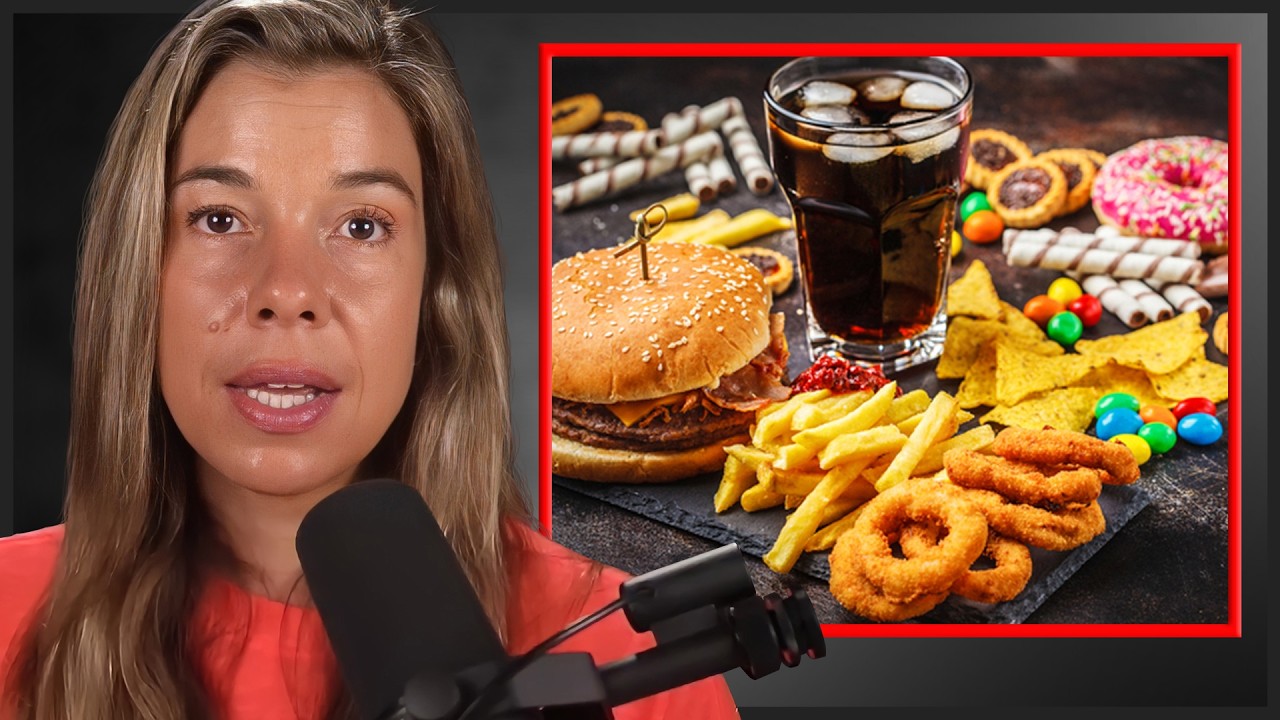
Which ingredients and characteristics of processed foods are most harmful to our health?
"Ultra-processed foods account for the majority of energy intake in the U.S. diet and are associated with several health risks, including metabolic disorders, cancer and cardiovascular disease."- Dr. Rhonda Patrick Click To Tweet
Food processing can be categorized based on the degree of modification:
- Unprocessed or minimally processed foods, like fresh fruits, vegetables, and meats, undergo minimal changes to preserve their natural state.
- Processed culinary ingredients, such as oils or sugars, are extracted from whole foods for use in cooking.
- Processed foods, like canned vegetables, cured meat or salted nuts, are slightly altered to improve flavor or shelf life while retaining most of their nutritional value.
- Ultra-processed foods (UPFs) are highly modified products containing multiple additives like artificial flavors, colors, emulsifiers and preservatives. These include items like soft drinks, sweets, industrially produced breads and fast food.
- UPFs account for the majority of energy intake in the U.S. diet and are associated with several health risks, including metabolic disorders, cancer and cardiovascular disease.[1]
- ^ Lane, Melissa; Davis, Jessica A; Beattie, Sally; Gómez-Donoso, Clara; Loughman, Amy; O'Neil, Adrienne, et al. (2020). Ultraprocessed Food And Chronic Noncommunicable Diseases: A Systematic Review And Meta‐Analysis Of 43 Observational Studies Obesity Reviews 22, 3.
-
Beginning of Q&A
-
Q: Does Rhonda still eat Vital Choice salmon roe?
-
Q: Does Rhonda use ingredients like retinol, vitamin C, and collagen in her skincare routine?
-
Q: How does the SNP rs1260326 interact with omega-3 fatty acids? 1
-
Q: Are other fats in fish oil besides DHA and EPA beneficial?
-
Q: Which is better for the skin: 15% or 20% salicylic acid?
-
Q: Can high-dose fish oil supplementation cause atrial fibrillation? 1, 2, See Bill Harris response
-
Q: Should protein intake be adjusted based on exercise days versus rest days? 1
-
Q: Why Rhonda's recent supplement list does not include calcium?
-
-
Q: Can you eat four meals a day within a time-restricted eating window?1
-
Q: Does Rhonda have concerns about seed oils?
-
-
Q: Can cocoa flavanols affect aerobic training adaptations? 1, 2, 3, See also cocoa flavonols
-
-
Q: What is the connection between diabetes and dementia? 1
-
Q: Are there any new ingredients in Rhonda's green smoothie?
-
Q: Should CocoaVia be taken with a meal?
-
Q: Which vitamin K2 does Rhonda take? 1
-
Q: What are your views on hormone replacement therapy for women in their late 60s?
-
-
Q: How can we get more FoundMyFitness merchandise?
-
-
Q: Any concerns with eating canned smoked oysters?
-
Q: What are Rhonda's thoughts on using fluoride toothpaste during child development?
-
Q: What is the recommended ratio of DHA to EPA for children?
-
Q: Is the cadmium content high in canned salmon or sardines? 1

Every month, Rhonda hosts a live chat with FoundMyFitness Premium Members.
Don't miss the next one.
Watch previously recorded Q&As with Dr. Rhonda Patrick

Q&A #82 with Dr. Rhonda Patrick (6/6/26)
Dr. Rhonda Patrick discusses organic produce, fasting-mimicking diets, sleep, sauna, sunscreens, red light therapy, reverse osmosis water, and fiber.
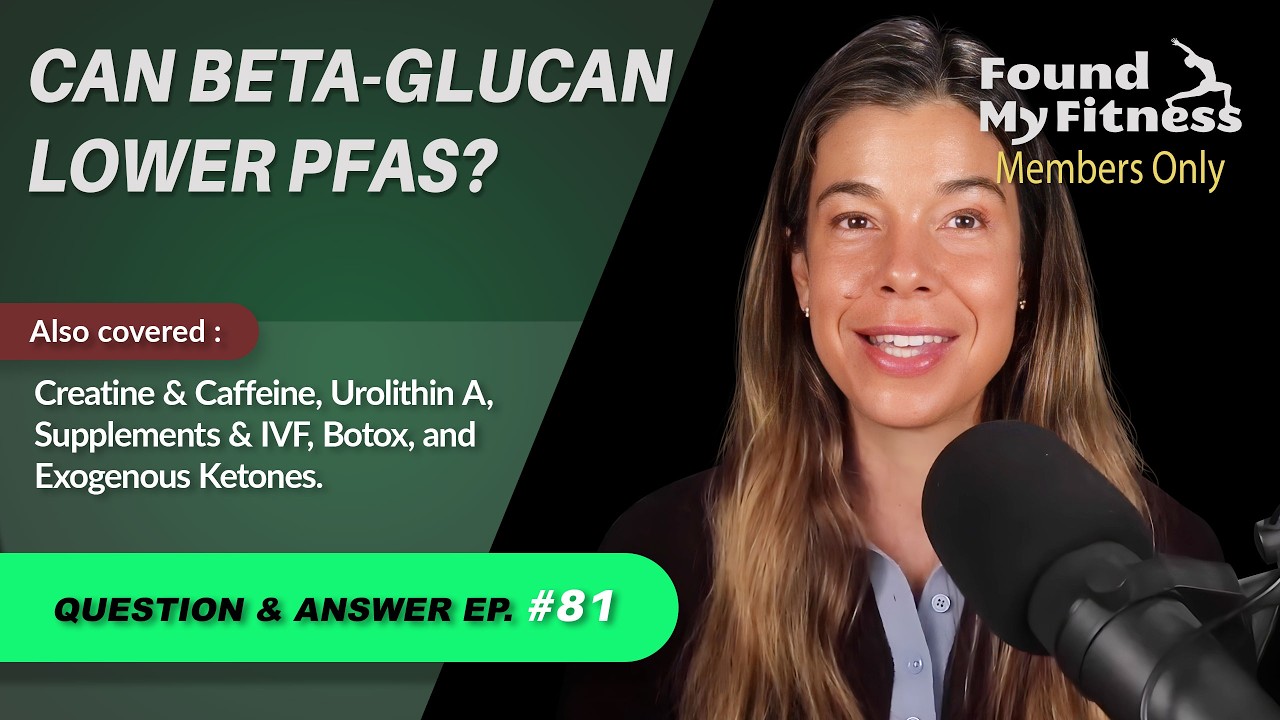
Q&A #81 with Dr. Rhonda Patrick (5/2/26)
Dr. Rhonda Patrick discusses beta-glucan fiber for PFAS reduction, creatine and caffeine, urolithin A, exogenous ketones, IVF supplements, Botox, and sauna.
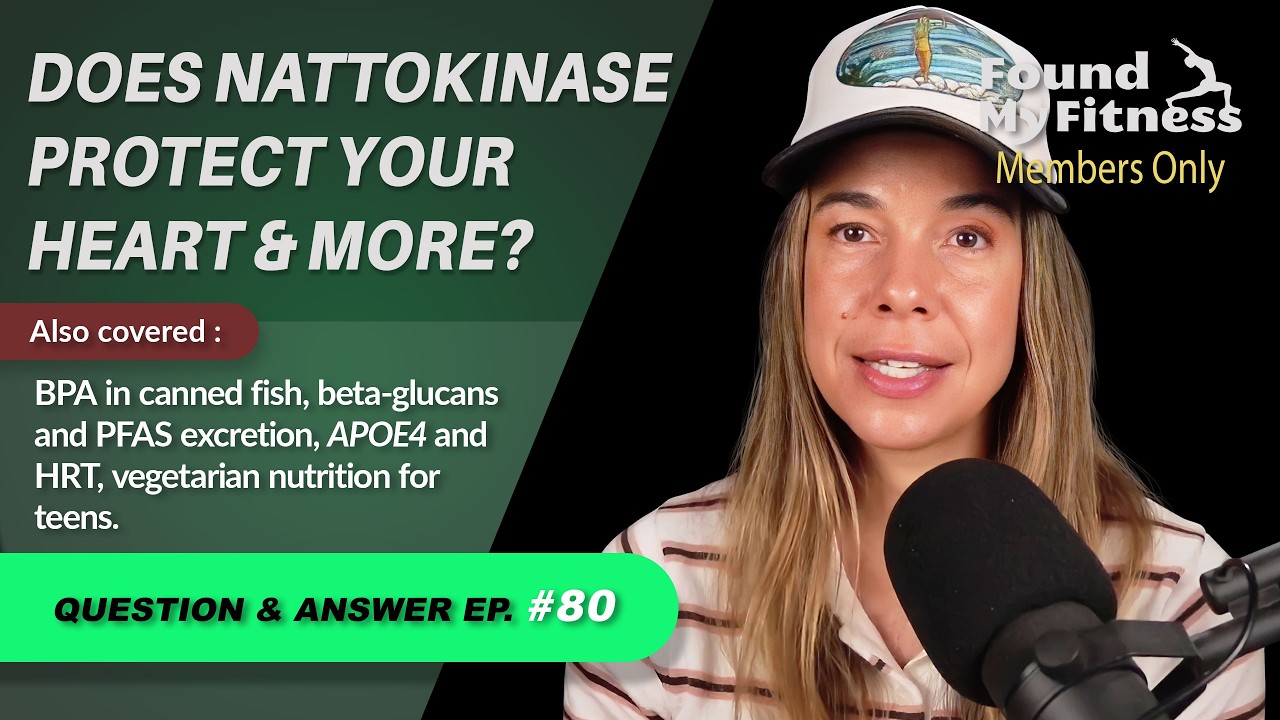
Q&A #80 with Dr. Rhonda Patrick (4/4/26)
Dr. Rhonda Patrick reviews the evidence for nattokinase, how oat beta-glucans may aid with PFAS excretion, and HRT for APOE4 carriers.
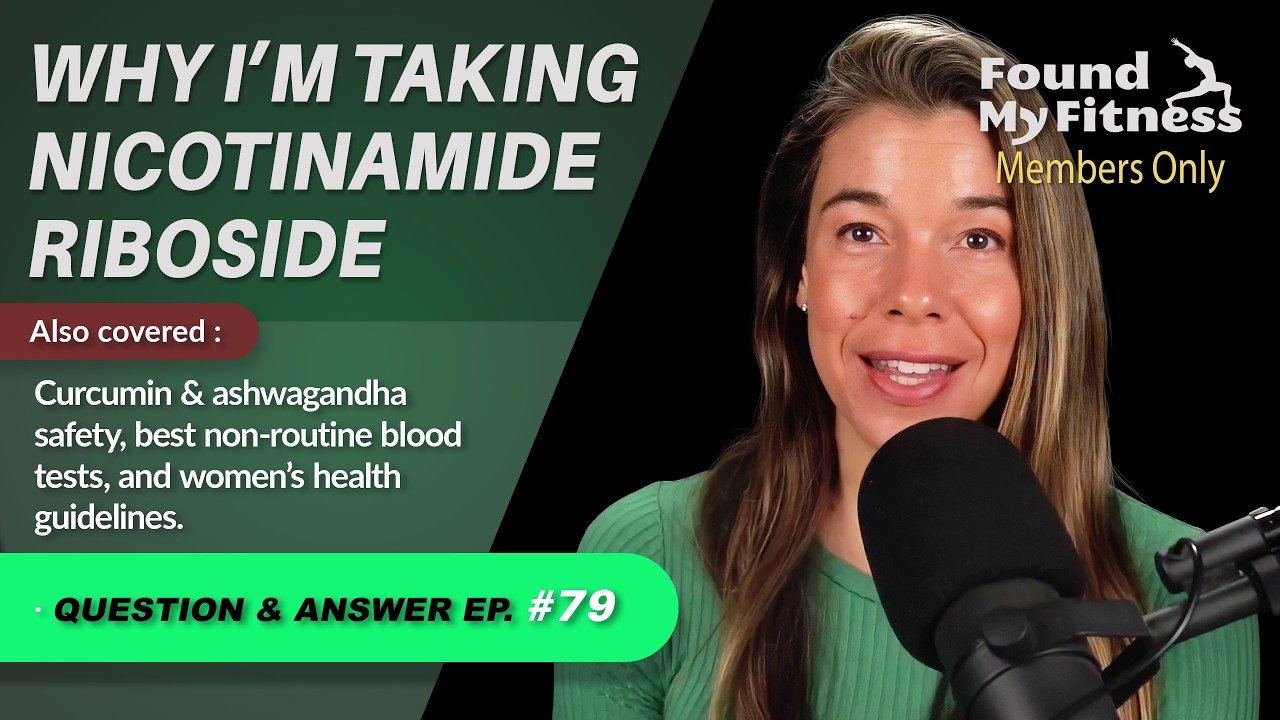
Q&A #79 with Dr. Rhonda Patrick (3/14/26)
Dr. Rhonda Patrick discusses nicotinamide riboside, biomarkers, belly fat loss, sex-specific health, curcumin & ashwagandha safety.
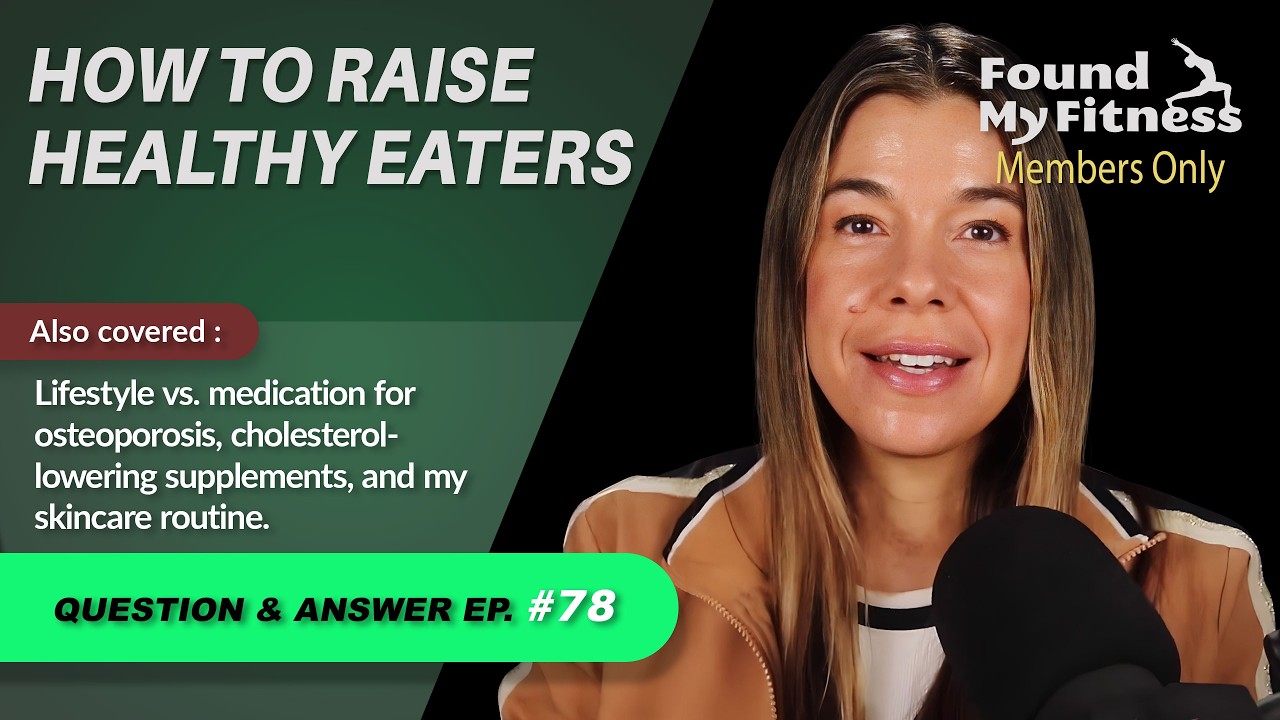
Q&A #78 with Dr. Rhonda Patrick (2/07/26)
Dr. Rhonda Patrick discusses child nutrition, osteoporosis, cholesterol-lowering supplements, her skincare routine, and fasting versus prioritizing protein.