Q&A
Q&A #76: How Much Protein Do You Need—and Is Nightly Melatonin Safe?
Dr. Rhonda Patrick discusses protein needs, choline in pregnancy, urolithin A, melatonin's benefits and risks, and creatine's effects on liver health.
FoundMyFitness library
Ranked by shared topics, with one result from each original episode.
Q&A
Dr. Rhonda Patrick discusses protein needs, choline in pregnancy, urolithin A, melatonin's benefits and risks, and creatine's effects on liver health.
Q&A
Dr. Rhonda Patrick answers audience questions on various health, nutrition, and science topics in this Q&A session.
Q&A
“The discussion of fiber and nutrient or supplement absorption begins at 19:38. The Oats and beta-glucan topic provides the wider cholesterol evidence and explains why whole oats, beta-glucan powder, and psyllium should not be compared solely by their serving weights.”
Q&A
Dr. Rhonda Patrick reviews nicotine for Alzheimer's prevention, melatonin and heart failure risk, fermented foods, and saffron for mood and sleep.
Q&A
Dr. Rhonda Patrick answers audience questions on various health, nutrition, and science topics in this Q&A session.
Episode
“Not only is salmon roe a good source of DHA, it also provides protein, vitamins, minerals, and astaxanthin – an antioxidant compound that gives salmon its reddish or pinkish tint. In human studies, astaxanthin reduces biomarkers of oxidative stress.”
Episode
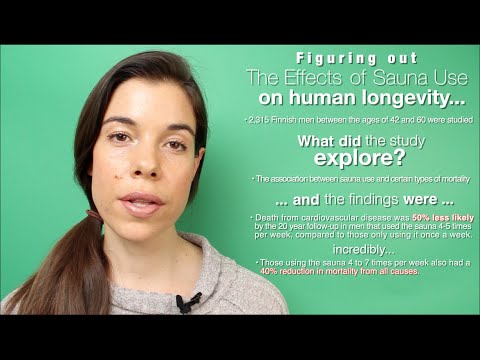
“People that used the sauna 2-3 times per week had a 20% lower risk of Alzheimer’s disease, and those that used the sauna 4-7 times per week had a 60% lower risk of Alzheimer's disease, compared to men that used the sauna 1 time per week.”
Episode
“In this video, Dr. Rhonda Patrick summarizes a recent study that found that frequency of sauna use was associated with increased decreased risk of death. Using the sauna 2-3 times per week was associated with 24% lower all-cause mortality and 4-7 times per week decreased all-cause mortality by 40%.”
Clip
“Although whole-body hyperthermia and sauna use share some similarities, whole-body hyperthermia sessions are typically longer (an hour or more) and the participant's head is spared (often kept cool with ice or cool cloths), prolonging the participant's tolerance to the intense heat.”
Episode
“A staggering 60% of all calories Americans consume come from ultra-processed foods that fail to induce proper satiety, remain cheaper than whole foods, and hijack our dopamine reward pathways, pushing us to overeat, incentivizing unhealthy food choices, and reinforcing addictive eating behaviors.”