Q&A
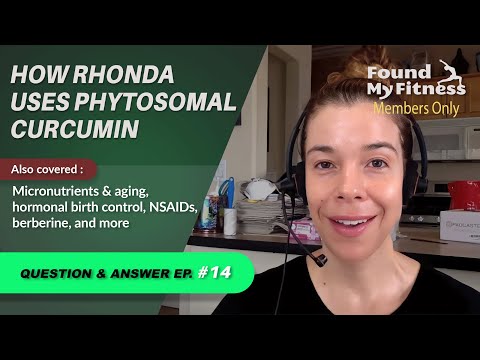
Q&A #14: Berberine for Metabolic Health—Plus Curcumin vs. NSAIDs
Dr. Rhonda Patrick answers audience questions on various health, nutrition, and science topics in this Q&A session.
FoundMyFitness library
Ranked by shared topics, with one result from each original episode.
Q&A
Dr. Rhonda Patrick answers audience questions on various health, nutrition, and science topics in this Q&A session.
Q&A
Dr. Rhonda Patrick answers audience questions on various health, nutrition, and science topics in this Q&A session.
Q&A
Dr. Rhonda Patrick answers audience questions on various health, nutrition, and science topics in this Q&A session.
Q&A
Dr. Rhonda Patrick discusses child nutrition, osteoporosis, cholesterol-lowering supplements, her skincare routine, and fasting versus prioritizing protein.
Episode
“In this podcast, we discuss and critically analyze a recent headline-grabbing editorial that was published in the Annals of Internal Medicine that reviewed three studies on the topic of multivitamins and chronic disease prevention. We analyze the important shortcomings of the studies and talk about the mechanism.”
Episode
“Whereas its link to diabetes is well known, what is likely underappreciated is that refined sugar may be linked to as many as 200,000 deaths worldwide each year from diabetes, cardiovascular disease, and cancer combined. Refined sugar also affects the brain.”
Episode
“In this episode, Rhonda gives a summary of the science of resveratrol including its effects in animals and humans, the mechanisms behind how it works, and the bottom line on resveratrol supplementation and safety. A few key moments... For a more in-depth timeline, as well as references for this episode, click the timeline tab. Learn more about resveratrol on our overview page”
Episode
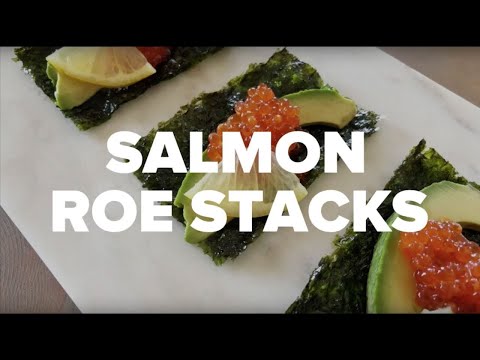
“Not only is salmon roe a good source of DHA, it also provides protein, vitamins, minerals, and astaxanthin – an antioxidant compound that gives salmon its reddish or pinkish tint. In human studies, astaxanthin reduces biomarkers of oxidative stress.”
Episode
“Although the findings of a large meta-analysis published in the journal Annals of Internal Medicine indicated that there was no evidence to support the notion that consumption of saturated fat increased the risk of heart disease, the studies on which their conclusions were based were primarily observational.”
Episode
“Based on findings from more recent studies using stable isotopes, which more accurately assess muscle protein anabolism and catabolism, Dr. Phillips believes that eating 1.2 to 1.6 grams of protein per kilogram of bodyweight (about 0.5 to 0.7 grams per pound) is likely optimal for muscle protein synthesis, especially as one ages.”