Q&A
Q&A #5: How to Improve Sleep—and What Nutrition Matters During Pregnancy?
Dr. Rhonda Patrick answers audience questions on various health, nutrition, and science topics in this Q&A session.
Search could not finish. Try again.
Found 112 matches across the FoundMyFitness library.
Q&A
Dr. Rhonda Patrick answers audience questions on various health, nutrition, and science topics in this Q&A session.
Q&A
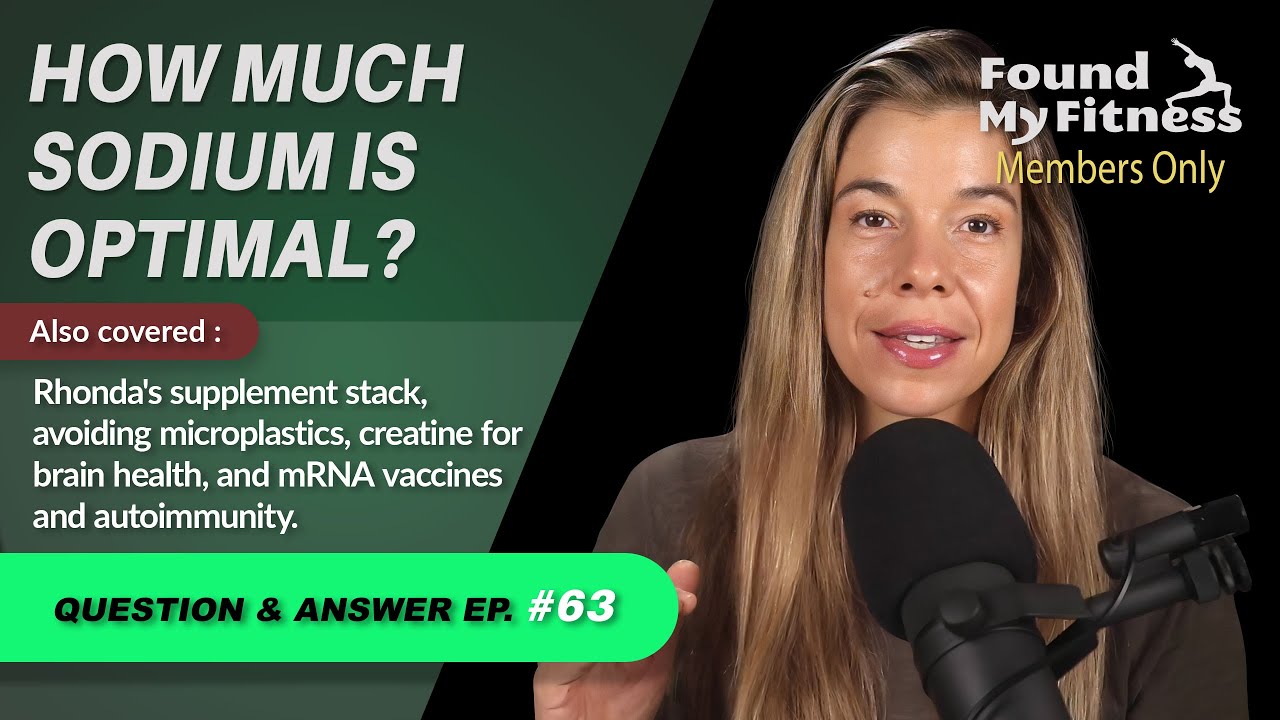
Dr. Rhonda Patrick discusses her supplement stack, avoiding microplastics, creatine for brain health, and mRNA vaccine autoimmunity risks.
Q&A
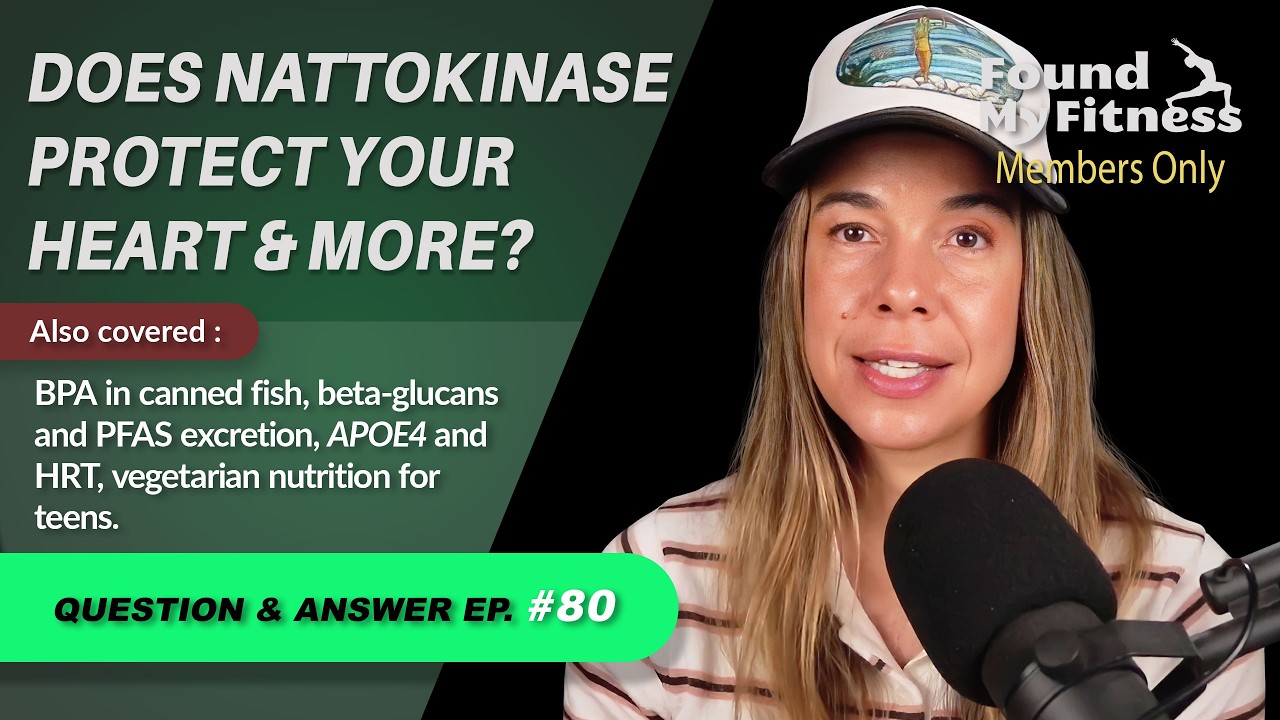
Dr. Rhonda Patrick reviews the evidence for nattokinase, how oat beta-glucans may aid with PFAS excretion, and HRT for APOE4 carriers.
Episode
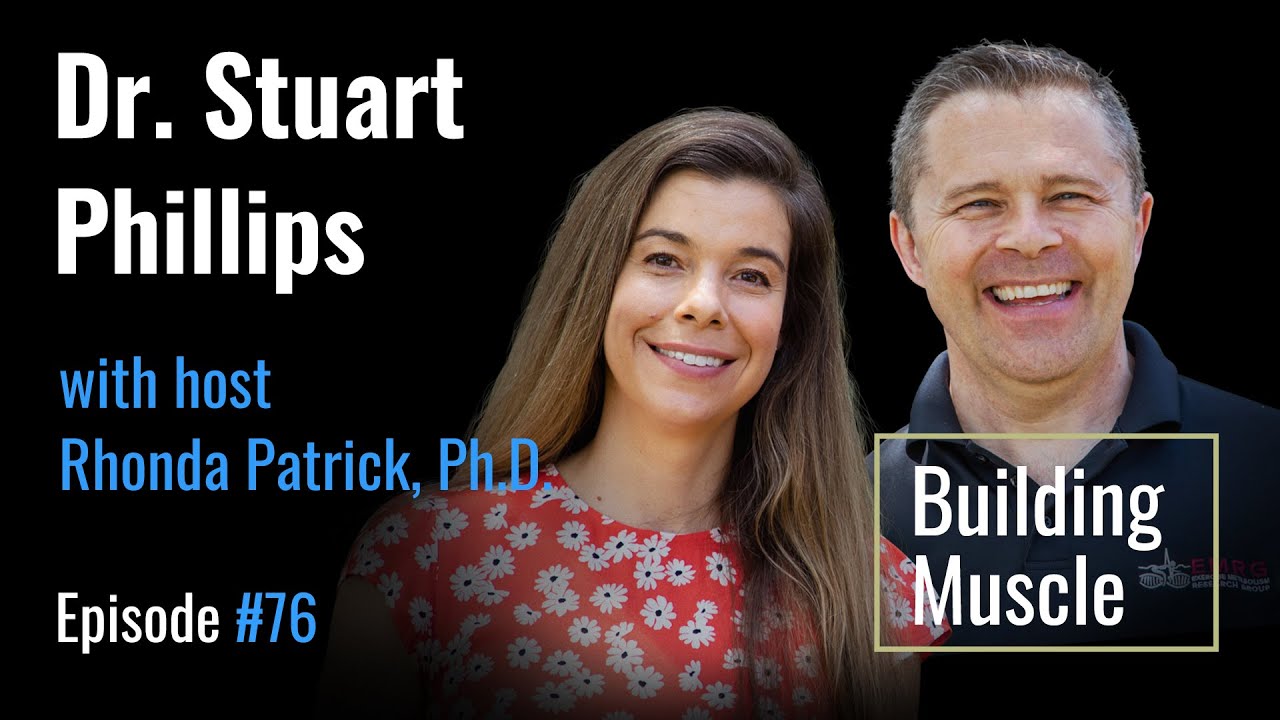
“"Recent perspectives regarding the role of dietary protein for the promotion of muscle hypertrophy with resistance exercise training." Nutrients 10.2 (2018): 180. Learn more about Dr. Stuart Phillips Stuart Phillips - Department of Kinesiology | McMaster University.”
“Specific topics include autophagy, the process of recycling dysfunctional cells that is induced by fasting and fasting-mimicking drugs such as resveratrol and spermidine. Rhonda discusses the effects of fasting on Parkinson's disease and which groups of people should not fast.”
Episode
“The race is divided into three stages over three days: The first is a 6.2 mile (10-km) ocean swim, followed by a 90-mile (145-km) cross-country bike ride, with vertical climbs that total 6,000 feet. Stage two is a 171.4-mile (276-km) bike ride, with total vertical climbs of 4,000 feet.”
Episode
Dr. Dominic D'Agostino discusses how ketones affect exercise performance, reduce inflammation, and improve neurological health.
“Another randomized controlled trial found that high-intensity exercise (30 minutes per day, 3x per week for 6 months) in addition to standard care treatment (levodopa) slows disease progression for Parkinson's disease compared to levodopa alone.”
“However, since both strategies are generally safe, accessible, and inexpensive, the study highlights the importance of maintaining sufficient vitamin D levels and engaging in regular exercise.”
Episode
“They highlight that brain physiology signals (like cerebral blood flow) may move even when cognition doesn't. Peripheral artery disease (PAD) PAD is a common and serious condition characterized by reduced blood flow, exercise intolerance, and pain.”
Results 101–110 of 112
Premium Members received this study with Rhonda’s practical commentary and 8+ other hand-picked papers. Get the Science Digest delivered every other week.
Every other week our Premium Members receive deep dives like this alongside Rhonda's commentary and 8+ other hand-picked papers.