Q&A
Q&A #46: Thyroid Health in Women—Screening, Autoimmunity, & Nutrition
Dr. Rhonda Patrick answers audience questions on various health, nutrition, and science topics in this Q&A session.

Search could not finish. Try again.
Found 346 matches across the FoundMyFitness library.
Q&A
Dr. Rhonda Patrick answers audience questions on various health, nutrition, and science topics in this Q&A session.
Clip
“Sauna frequency was associated with lower C-reactive protein in Finnish men, while daily broccoli sprouts lowered IL-6 and C-reactive protein in a small controlled study of adults with overweight. She also discusses time-restricted eating and cold exposure.”
Q&A
Dr. Rhonda Patrick answers audience questions on various health, nutrition, and science topics in this Q&A session.
Clip
“Dr. Patrick then prioritizes lower-glycemic-load, less-refined foods and adequate fiber. Early time-restricted eating can help some people reduce calories and may influence selected metabolic markers, but it is not required and must still preserve protein and diet quality.”
Episode
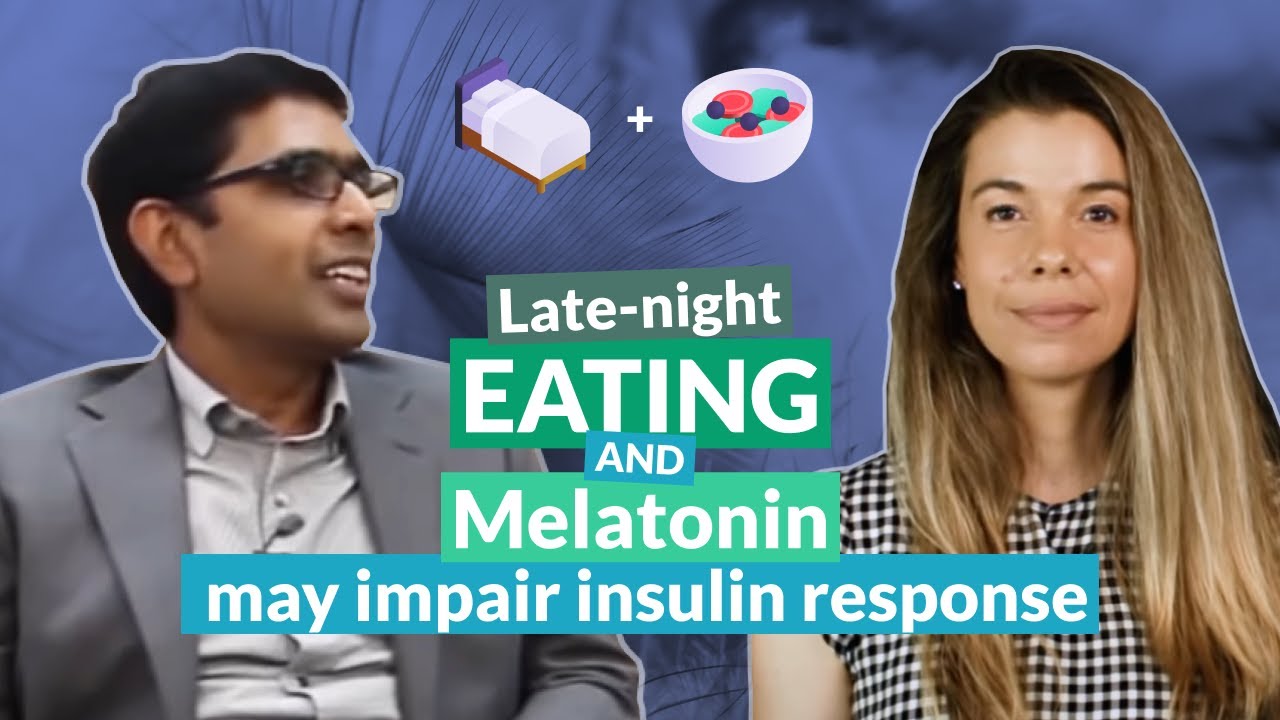
“Melatonin plays an important role in our physiology by regulating the expression of more than 500 genes, but we rightly think of it as a sleep inducer with its increased production being tied to both our natural sleep time and our light exposure.”
Q&A
Dr. Rhonda Patrick answers audience questions on various health, nutrition, and science topics in this Q&A session.
Episode
“For example, using the sauna 2-3 times per week is associated with 24% lower all-cause mortality and using the sauna 4-7 times per week is associated with 40% lower all-cause mortality. Sauna use is also associated with a lower risk of age-related diseases like Alzheimer’s disease.”
Q&A
Dr. Rhonda Patrick answers audience questions on various health, nutrition, and science topics in this Q&A session.
Clip
“Total daily protein remains more important than exact nutrient timing. Dr. Schoenfeld says available time-restricted-feeding studies show little difference in muscle outcomes when total intake is maintained.”
Clip
“Although exercising animals are less likely to have cardiovascular disease or diabetes, they still experience cancer and kidney disease, it's difficult to extrapolate (or discount) the effects of exercise.”
Results 181–190 of 346
Premium Members received this study with Rhonda’s practical commentary and 8+ other hand-picked papers. Get the Science Digest delivered every other week.
Every other week our Premium Members receive deep dives like this alongside Rhonda's commentary and 8+ other hand-picked papers.