Q&A
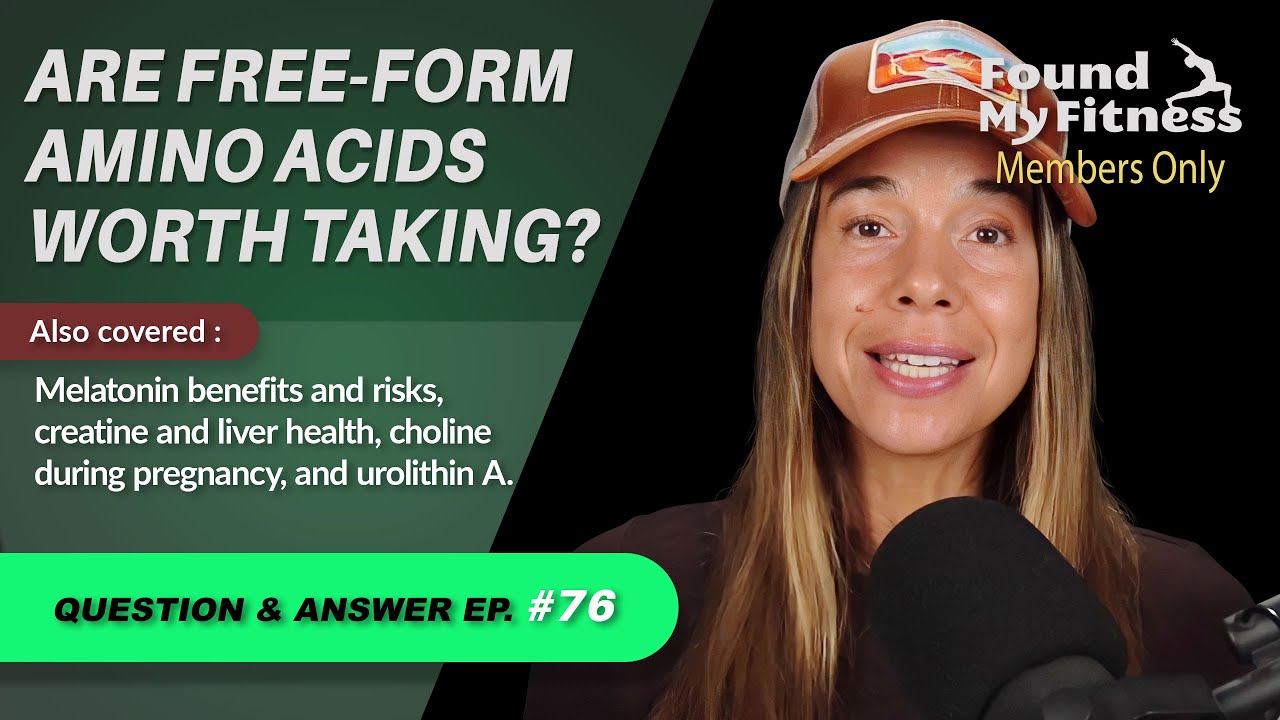
Q&A #76: How Much Protein Do You Need—and Is Nightly Melatonin Safe?
Dr. Rhonda Patrick discusses protein needs, choline in pregnancy, urolithin A, melatonin's benefits and risks, and creatine's effects on liver health.
Search could not finish. Try again.
Found 167 matches across the FoundMyFitness library.
Q&A
Dr. Rhonda Patrick discusses protein needs, choline in pregnancy, urolithin A, melatonin's benefits and risks, and creatine's effects on liver health.
“Light during sleep produces immediate metabolic strain Light can alter nighttime physiology even when melatonin does not change. A single night at 100 lux, roughly the brightness of a dim family room, increased a marker of insulin resistance by about 15% among 20 healthy adults.”
“For example, light directly influences the production of melatonin, a hormone that regulates the body's response to darkness and ultimately influences mood. People who experience seasonal affective disorder, commonly known as SAD, show significant improvement following melatonin administration.”
“This applies to meals too. Eating out of sync with the body's circadian rhythms in metabolism and melatonin release causes glucose dysregulation—a risk factor for diabetes. This is why time-restricted eating (TRE) is so beneficial.”
Clip
“In fact, research shows that reading a book on a device rather than reading an actual book reduces melatonin production by as much as 20 percent. In this clip, Dr. Matthew Walker describes the negative effects of blue light exposure on melatonin production and, subsequently, sleep.”
Clip
“They observed that people who carried a variant form of the melatonin receptor gene (MTNR1B) were more likely to have obesity or diabetes. The prevailing thought is that when melatonin is bound to its receptor, it suppresses the pancreas from producing insulin.”
Clip
“Findings from recent studies indicate that melatonin – the hormone commonly associated with sleep – influences critical aspects of metabolism, especially those that regulate insulin sensitivity.”
Q&A
Dr. Rhonda Patrick answers audience questions on various health, nutrition, and science topics in this Q&A session.
Clip
Clip
“Her list includes omega-3s, vitamin D, magnesium, a multivitamin, creatine, melatonin, sulforaphane, and selected performance supplements. She presents this as a personal routine rather than a universal prescription.”
Results 11–20 of 167
Premium Members received this study with Rhonda’s practical commentary and 8+ other hand-picked papers. Get the Science Digest delivered every other week.
Every other week our Premium Members receive deep dives like this alongside Rhonda's commentary and 8+ other hand-picked papers.