Q&A
Q&A #11: What Prevents Migraines—and How Do Heat and Cold Affect Health?
Dr. Rhonda Patrick answers audience questions on various health, nutrition, and science topics in this Q&A session.

Search could not finish. Try again.
Found 484 matches across the FoundMyFitness library.
Q&A
Dr. Rhonda Patrick answers audience questions on various health, nutrition, and science topics in this Q&A session.
“But time-restricted eating limits the daytime window during which a person eats to take advantage of the time when metabolism is optimized, improving health and even promoting weight loss. This episode of the Aliquot features Dr. Satchin Panda, an expert in circadian rhythm research, and Dr. Ruth Patterson, an expert in cancer epidemiology.”
“Martin Gibala, Bill Harris, and Peter Attia about three proven ways to promote health and longevity: boosting cardiorespiratory fitness, ensuring you're getting plenty of omega-3 fatty acids, and maintaining healthy blood glucose levels.”
Episode
“For example, while vitamin C acts primarily as an antioxidant at physiological concentrations of approximately 50 micromoles per liter, pharmacologic doses of intravenous vitamin C greater than 1 gram generate hydrogen peroxide, a type of reactive oxygen species produced by neutrophils to destroy pathogens such as viruses.”
“In Aliquot #131, The Muscle and Bone Benefits of Creatine, creatine expert Dr. Darren Candow and I discussed how creatine supplementation affects muscle quality, physical function, and even skeletal health, particularly in older adults.”
“But implementing a ketogenic diet is challenging. In this Aliquot, Dr. Dominic D'Agostino explains how to avoid side effects on a ketogenic diet, provides valuable pointers for success, and explains how the diet might help preserve muscle mass.”
Q&A
Dr. Rhonda Patrick answers audience questions on various health, nutrition, and science topics in this Q&A session.
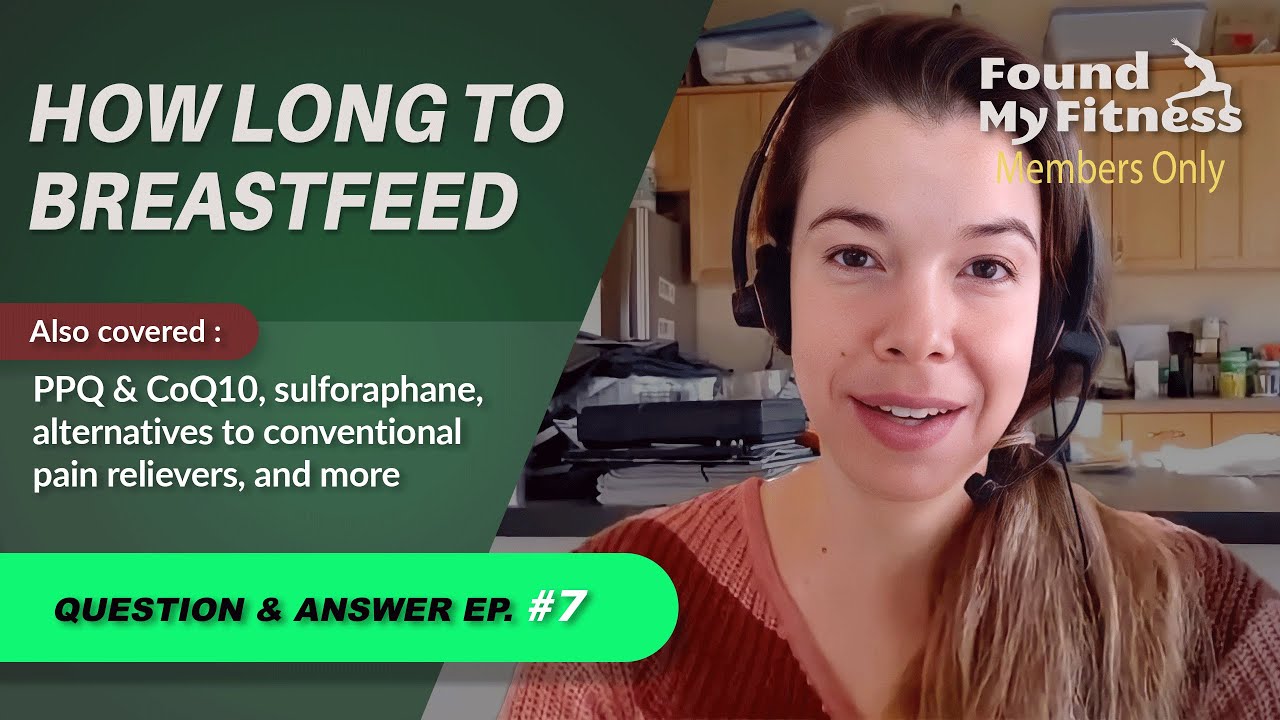
Clip
“In a small randomized crossover trial, a single high dose of creatine improved selected cognitive outcomes during acute sleep deprivation, adding context for her interest in higher doses during travel or sleep loss.”
Clip
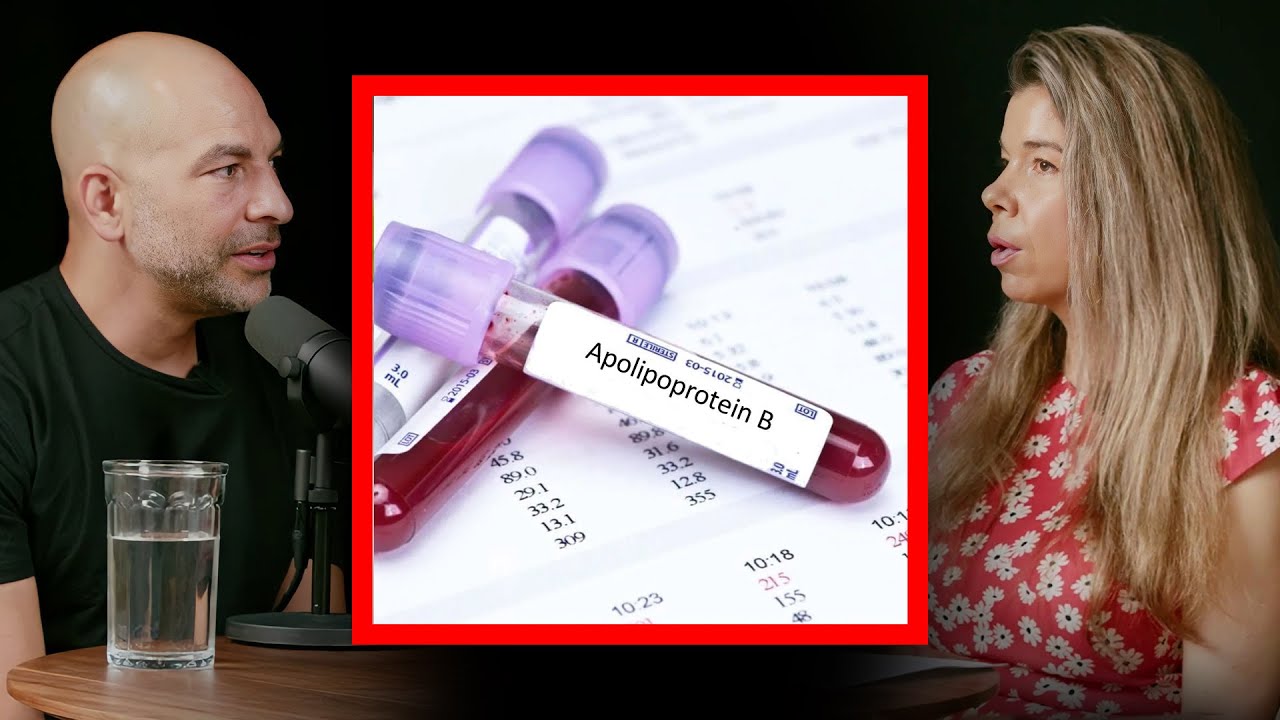
“Consensus evidence supports ApoB as a causal risk factor, but Dr. Attia’s proposed 10–30 mg/dL physiological range and treatment targets are attributed opinions, not universal guideline targets. Diet can change ApoB through several pathways.”
Clip
“Dr. Patrick links hypertension with cardiovascular disease and dementia risk and emphasizes magnesium-rich foods within a DASH-style pattern, including leafy greens, legumes, nuts, and whole grains. A meta-analysis found modest average blood-pressure reductions with supplemental magnesium.”
Results 361–370 of 484
Premium Members received this study with Rhonda’s practical commentary and 8+ other hand-picked papers. Get the Science Digest delivered every other week.
Every other week our Premium Members receive deep dives like this alongside Rhonda's commentary and 8+ other hand-picked papers.