Q&A
Q&A #24: How to Improve Memory—Exercise, Ketosis, DHA, & Brain Health
Dr. Rhonda Patrick answers audience questions on various health, nutrition, and science topics in this Q&A session.
Search could not finish. Try again.
Found 672 matches across the FoundMyFitness library.
Q&A
Dr. Rhonda Patrick answers audience questions on various health, nutrition, and science topics in this Q&A session.

“Our brains shrink as we grow older, but that doesn't mean you can wait until old age to worry about it—neurodegeneration starts 15–20 years before the onset of symptoms of mild cognitive impairment, dementia, or Alzheimer's disease.”
Episode
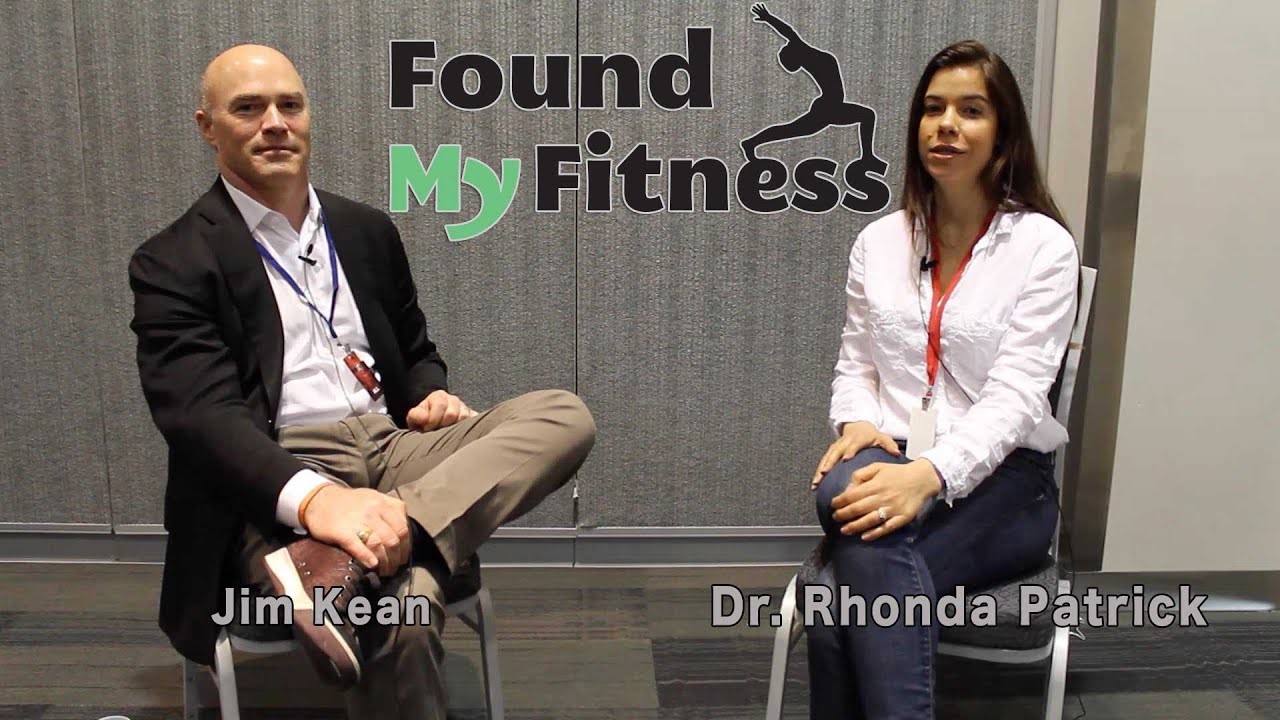
Jim Kean is the CEO of National Pro Grid League (NPGL) and founder of WellnessFX.
“This episode of the Aliquot features FoundMyFitness guests with expertise in fields including lipid metabolism, Alzheimer's disease, and micronutrient biochemistry sharing their recommendations regarding blood tests that a person should consider adding to their yearly checkup.”
Q&A
Dr. Rhonda Patrick answers audience questions on various health, nutrition, and science topics in this Q&A session.
“Some evidence suggests female sex hormones influence the pathology and progression of Alzheimer's disease. A recent study in mice shows that the brains of male and female mice with Alzheimer's regulate amyloid-beta protein differently, with the hormone estradiol playing a critical role.”
Episode
“Although scientists have identified other lifestyle behaviors that can help prevent the build-up of amyloid plaques by boosting the capacity for glymphatic clearance – such as exercise and adequate intake of omega-3 – the most important factor by far is a good night's sleep, especially deep sleep.”
“Individual responses to diet can be influenced by a person's genetic makeup, however. Knowing a person's genetic factors influencing their response to diet may be beneficial component of a multi-part strategy developed in coordination with professional care for keeping ApoB in check.”
“In this Aliquot, I walk through how that plays out in humans, where the strongest evidence shows up, and where it doesn't, with NAD researcher Dr. Charles Brenner—and why I'm taking it now after being skeptical.”
“Increased expression of heat shock proteins prevents protein disorder and aggregation by repairing proteins that have been damaged or misfolded and may offer protection against neurodegenerative diseases and inhibit the aggregation of amyloid-beta, reducing plaque formation.”
Results 471–480 of 672
Premium Members received this study with Rhonda’s practical commentary and 8+ other hand-picked papers. Get the Science Digest delivered every other week.
Every other week our Premium Members receive deep dives like this alongside Rhonda's commentary and 8+ other hand-picked papers.