Filter results by content type

Search results for senescence

Found 111 matches across the FoundMyFitness library.

111 results
41
Science Digest

Intermittent treatment with FDA-approved drug (rapamycin) that has been shown to extend lifespan in mice may prevent cancer recurrence.

Jul 4, 2016

“FTA: > Intermittent dosing with rapamycin breaks the inflammatory loop associated with senescence, scientists report. Once disrupted, it takes time for the loop to reestablish itself -- providing proof-of-principal that intermittent dosing could provide a way to reap the benefits of rapamycin while bypassing its safety issues. The FDA-approved drug increases healthspan and lifespan in mice.”

42
Science Digest

Mild and undetected infections, previously believed to have no effect on lifespan, proven to be telomere shortener.

May 10, 2016

“FTA: > Mild infections without symptoms of illness can still lead to serious consequences by reducing the lifespan of the infected individuals, research shows. A new study has been carried out on malaria-infected migratory birds. The infection is thought to speed up the aging process by shortening the telomeres (i.e., the chromosomes ends) at a faster rate and thereby accelerating senescence.”

49
Science Digest

Taurine supplementation extends life by 12 percent in animal studies, pointing to a potentially promising anti-aging strategy that may highlight the r

Jun 14, 2023

“They repeated their experiment in monkeys, worms, and yeast and observed similar effects. They also found that taurine reduced several hallmarks of aging in all the species studied, including cellular senescence, mitochondrial dysfunction, DNA damage, and inflammation.”

50
Episode

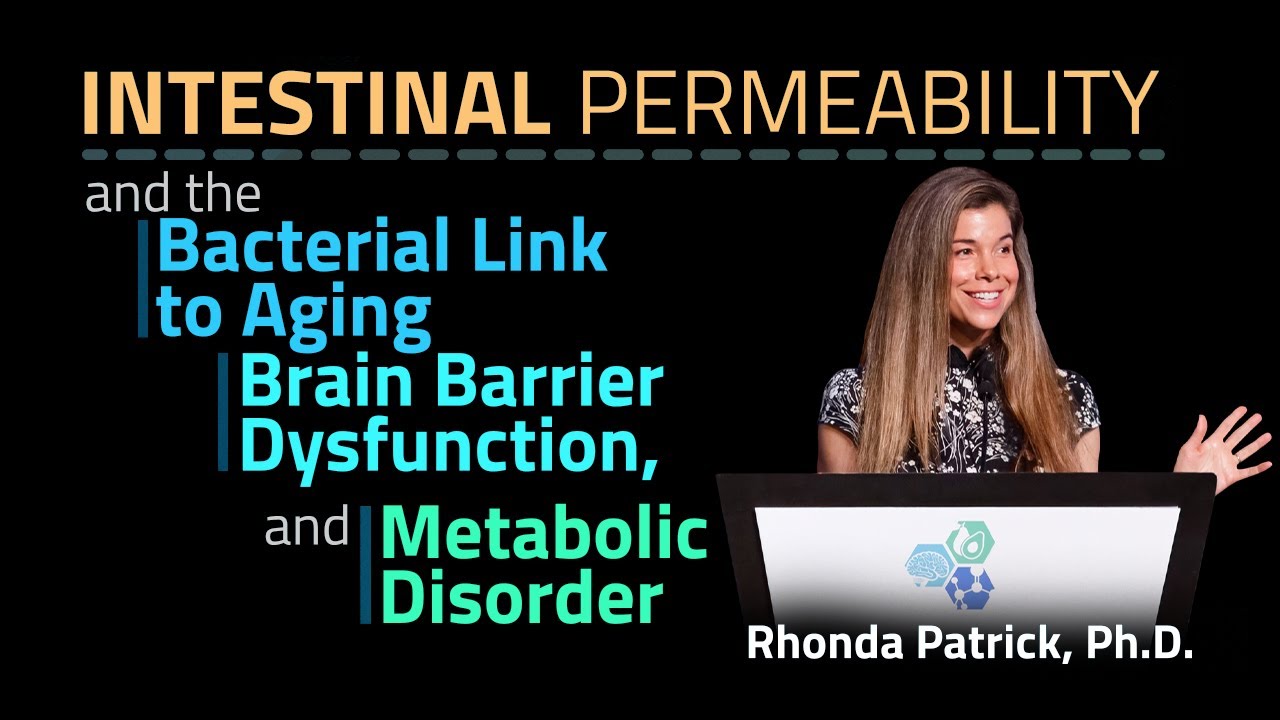
Intestinal Permeability: the Bacterial link to Aging, Brain Barrier Dysfunction & Metabolic Disorder

May 30, 2022

“In addition, the cellular senescence that accompanies aging activates pro-inflammatory signaling pathways and drives the release of cytokines, chemokines, and growth factors. Other contributors to inflammaging are cellular debris from normal cell death and the accumulation of metabolic byproducts, such as amyloid-beta proteins, which are involved in the pathogenesis of Alzheimer's disease.”

Results 41–50 of 111