• Episodes
  • Topics
  • AMA
  • Science Digest
  • The Aliquot
  • Genetics
Sign in Become a member
Search
Back to topic

FoundMyFitness library

Related Episodes for Day–night patterns of light exposure

Ranked by shared topics, with one result from each original episode.

111
Episode
Episode

Dr. George Brooks on Lactate Shuttle Theory, Relevance for Traumatic Brain Injury, & More

Dec 3, 2014

“When produced during exercise (especially high intensity workouts like cycling, which shifts metabolism toward glycolysis to more quickly meet the high energetic demands), lactate switches on more than 600 genes involved in muscle adaptation, stimulates mitochondrial biogenesis – the process of making new mitochondria – and promotes protein synthesis, which is essential for muscle growth.”

brain nutrition exercise parkinson's
Play episode
112
Clip
Clip

How the body produces glucose via gluconeogenesis during ketosis | Dominic D'Agostino

May 26, 2020

“The body has elegant mechanisms that allow it to utilize non-carbohydrate substrates to generate glucose. Gluconeogenesis is a metabolic pathway in which the liver produces glucose from non-carbohydrate substrates including glucogenic amino acids (from protein) and glycerol (from lipids).”

ketosis metabolism performance fasting
Watch clip
113
Clip
Clip

A Practical Hierarchy for Lowering Glucose and HbA1c

Sep 12, 2024

“Dr. Patrick then prioritizes lower-glycemic-load, less-refined foods and adequate fiber. Early time-restricted eating can help some people reduce calories and may influence selected metabolic markers, but it is not required and must still preserve protein and diet quality.”

blood sugar exercise insulin resistance sleep
Watch clip
114
Episode
Episode

How Heat Therapy Improves Slow Wave Sleep

May 30, 2023

“Translating sleep insights into practical steps These findings highlight the possibility of using heat therapy or vigorous exercise to influence slow-wave sleep, drawing on the interplay between body temperature regulation, immunity, physical activity, and hormones.”

sleep exercise hormones immune system
Play episode
115
Clip
Clip

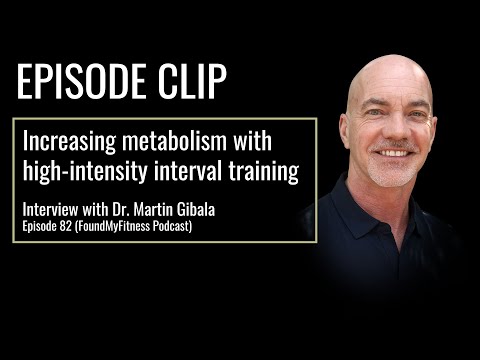
Increasing metabolism — Is high-intensity interval training better? | Dr. Martin Gibala

Sep 28, 2023

“This effect, sometimes called the 'afterburn effect,' does have some scientific basis, according to recent podcast guest Dr. Martin Gibala. In scientific terms, it's known as EPOC or Excess Post-Exercise Oxygen Consumption.”

exercise sleep muscle insulin
Watch clip
116
Clip
Clip

How Cold Exposure Affects Focus and Muscle Growth

Feb 19, 2026

“A systematic review found no overall improvement in mood after cold-water immersion, while a small randomized trial found that repeated whole-body cryotherapy improved depression scores when added to standard pharmacological treatment.”

exercise depression mental health mitochondria
Watch clip
117
Clip
Clip

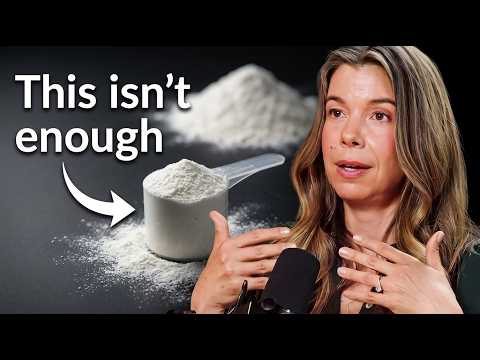
How Creatine Dose Relates to Muscle and Brain Energy

Feb 6, 2026

“A small magnetic-resonance spectroscopy study also found that 20 grams per day for four weeks increased brain creatine by an average of about 8.7 percent, showing that brain uptake is possible but variable.”

exercise brain sleep performance
Watch clip
118
Clip
Clip

How Creatine Dose Shapes Muscle and Brain Benefits

Nov 10, 2025

“High energy demand is a promising research setting. In a randomized crossover study of 15 healthy adults undergoing 21 hours of sleep deprivation, a single 0.35-gram-per-kilogram dose changed cerebral energy measures and improved selected cognitive outcomes.”

brain sleep performance rhonda
Watch clip
119
Clip
Clip

How Creatine Supports Brain Energy Under Stress

Jul 12, 2026

“In a randomized crossover study of 15 adults, a single weight-based dose changed cerebral energy metabolites and reduced deterioration on some cognitive tasks during about 21 hours without sleep. Dr. Patrick uses 10 grams daily and sometimes takes more during travel or sleep loss.”

brain sleep performance supplements
Watch clip
120
Clip
Clip

How Creatine Supports Exercise and Brain Energy

Sep 17, 2025

“A single 0.35-gram-per-kilogram dose of creatine monohydrate, equal to 24.5 grams for a 70-kilogram adult, reduced fatigue and improved word memory and processing speed on selected tasks versus placebo. It also changed brain-energy measures.”

exercise sleep mitochondria rhonda
Watch clip
Load more related episodes

Explore More

  • Home
  • Episodes
  • Membership
  • The Aliquot
  • About
  • Healthspan Gear
  • Genetics

Our Mission

Promoting strategies to increase healthspan, well-being, cognitive and physical performance through deeper understandings of biology. Learn more about Dr. Rhonda Patrick.

Questions?

Send us a message here

Search

Follow us here

  • Instagram
  • Twitter
  • Facebook

Watch and listen

  • YouTube
  • Apple Podcasts
  • Spotify
This site is protected by reCAPTCHA and is subject to the Google Privacy Policy and Terms of Service, as well as our own Privacy Policy and Terms of Service.