Q&A
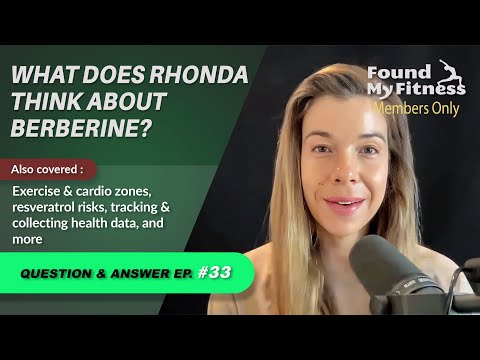
Q&A #33: Do Resveratrol and Berberine Blunt Exercise Benefits?—Plus Cardio Zones
Dr. Rhonda Patrick answers audience questions on various health, nutrition, and science topics in this Q&A session.
FoundMyFitness library
Ranked by shared topics, with one result from each original episode.
Q&A
Dr. Rhonda Patrick answers audience questions on various health, nutrition, and science topics in this Q&A session.
Q&A
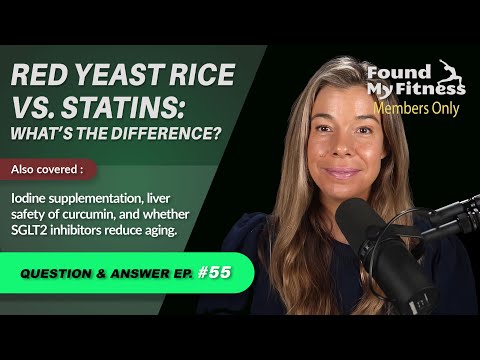
Dr. Rhonda Patrick explores iodine supplementation, choline & TMAO, curcumin safety, and red yeast rice in her latest Q&A.
Q&A
Dr. Rhonda Patrick answers audience questions on various health, nutrition, and science topics in this Q&A session.
Clip
“In this clip from Q&A #70, Dr. Rhonda Patrick organizes cancer prevention around the largest modifiable foundations: avoid tobacco, maintain a healthy body composition, and stay physically active.”
Clip
“In a small crossover trial involving people with insulin resistance, six one-minute intense intervals performed before the three main meals improved daily glucose control compared with one continuous 30-minute session.”
Clip
“Practicing healthy light exposure habits — seeking bright light in the morning and avoiding it in the evening — is crucial. When we eat also plays a role, and eating too close to bedtime disrupts sleep and shifts circadian timing over the next few days.”
Clip
“Dr. Brooks's exact practice of waking 96 minutes before dawn comes from the Vedic concept of Brahma Muhurta rather than a tested clinical protocol. Creatine may provide modest cognitive benefits in some settings, although results in healthy adults are mixed.”
Clip
“In more than 2,000 adults ages 51 to 80, higher Sitting-Rising Test scores were associated with longer survival, making floor-transfer ability a useful marker of functional capacity. Floor time can include cross-legged sitting, kneeling, side-sitting, or sitting with the legs extended.”
Clip
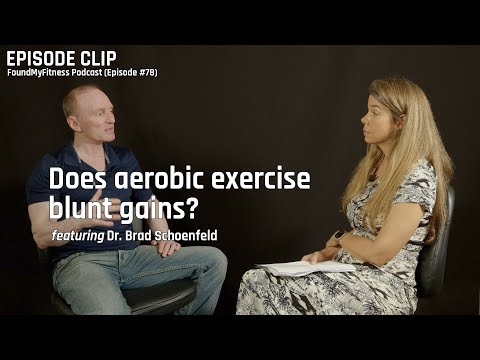
“Dr. Schoenfeld says the situation is likely more complex and nuanced. For example, a marathon runner will have difficulty with hypertrophy, probably due to overtraining rather than intracellular signaling negatively affecting muscle development.”
Clip
“A growing body of scientific evidence suggests that there's a correlation between nutrition, exercise, sleep, and stress management and having longer telomeres. Identifying the mechanisms that drive these correlations has proven challenging, but a few candidates stand out, including improvements in immune function and metabolic health.”