• Episodes
  • Topics
  • AMA
  • Science Digest
  • The Aliquot
  • Genetics
Sign in Become a member
Search
Back to episode

FoundMyFitness library

Related Episodes for How ApoB Drives Atherosclerosis and Responds to Diet

Ranked by shared topics, with one result from each original episode.

111
Clip
Clip

How Elevated Blood Sugar Affects the Brain and Heart

Apr 4, 2025

“Her practical message is to reduce the frequency and size of large glucose exposures. Foods with intact fiber, protein, and minimally processed carbohydrates digest more slowly than refined added sugar, while regular exercise gives skeletal muscle a large destination for circulating glucose.”

sugar brain aging inflammation
Watch clip
112
Episode
Episode

Dr. Elissa Epel on Telomeres and the Role of Stress Biology in Cellular Aging

Jun 10, 2019

“00:44:53 - How marine omega-3 fatty acids EPA and DHA may be one of the safest supplements to delay telomere attrition, with each 1-standard deviation increase in levels associated with a 32% reduction in the odds of telomere shortening and how one four-month double-blinded supplementation study showed that omega-3 could even lengthen telomeres.”

telomeres nutrition diet epigenetics
Play episode
113
Clip
Clip

How lifestyle factors can slow or accelerate epigenetic aging | Steve Horvath

Dec 30, 2020

“Conventional health advice, such as healthy eating, physical activity, and education level are linked with slowed epigenetic aging, albeit weakly, and obesity, sleep deprivation, and smoking are linked with accelerated epigenetic aging.”

epigenetics exercise diet obesity
Watch clip
114
Clip
Clip

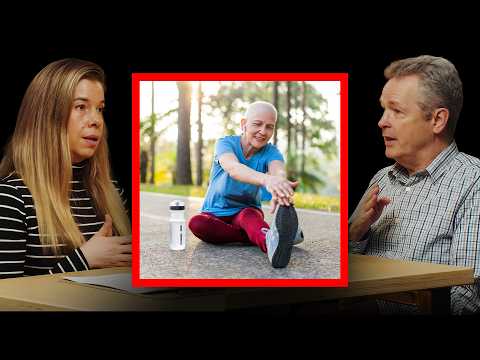
How Exercise Can Support Cancer Treatment

Mar 5, 2025

“Patients assigned to supervised exercise during neoadjuvant chemoradiation, followed by continued activity before surgery, were more likely to achieve a complete or near-complete pathological response than those receiving usual care.”

cancer exercise immune system metabolism
Watch clip
115
Episode
Episode

The Best Type of Exercise for Longevity

Dec 8, 2025

“The physical activity guidelines and estimates on how much activity we need are heavily based on self-reported activity, which is useful but imperfect: people remember going for a run, but they forget the short, intense bursts in daily life like sprinting up stairs, chasing kids, and running to catch a bus.”

exercise mitochondria muscle aerobic
Play episode
116
Clip
Clip

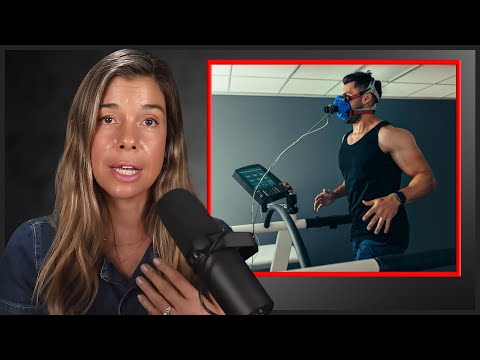
Why VO2 Max Is a Powerful Longevity Marker

Mar 12, 2024

“In this excerpt from Dr. Rhonda Patrick's A4M LongevityFest 2023 keynote, she argues that vigorous exercise is one of the most powerful tools for healthy aging because it can raise cardiorespiratory fitness.”

exercise aging performance mortality
Watch clip
117
Clip
Clip

How Brief Vigorous Activity Supports Longevity

May 30, 2025

“In 25,241 adults who reported no structured exercise, a median of three one- or two-minute vigorous lifestyle bouts per day was associated with 38% to 40% lower all-cause and cancer mortality and 48% to 49% lower cardiovascular mortality.”

exercise cancer mortality blood sugar
Watch clip
118
Clip
Clip

Why 'exercise snacks' that spread out exercise benefit glucose regulation (1-minute workouts) | Dr. Martin Gibala

Sep 28, 2023

“The research, spearheaded by Professor John Little at the University of British Columbia, is still in the preliminary stages, with two randomized controlled trials underway to ascertain the regimen's efficacy over 12 weeks.”

exercise diabetes insulin blood sugar
Watch clip
119
Clip
Clip

How Exercise Supports Metabolic Health, Blood Pressure, and Mood

Mar 19, 2025

“Exercise can improve blood pressure, insulin sensitivity, triglycerides, and fitness, but someone with high ApoB or LDL may still need targeted diet changes and clinician-guided lipid-lowering treatment. Mood is another major benefit.”

exercise diabetes depression blood pressure
Watch clip
120
Clip
Clip

Factors that accelerate or slow epigenetic aging | Dr. Morgan Levine

May 21, 2022

“In this clip, Drs. Levine and Patrick discuss genetic and environmental factors that can accelerate or slow epigenetic aging. Dr. Levine also discusses the aging clock she created and how it can be used, along with other biomarkers, to determine an individual's rate of aging.”

epigenetics cancer aging diabetes
Watch clip
Load more related episodes

Explore More

  • Home
  • Episodes
  • Membership
  • The Aliquot
  • About
  • Healthspan Gear
  • Genetics

Our Mission

Promoting strategies to increase healthspan, well-being, cognitive and physical performance through deeper understandings of biology. Learn more about Dr. Rhonda Patrick.

Questions?

Send us a message here

Search

Follow us here

  • Instagram
  • Twitter
  • Facebook

Watch and listen

  • YouTube
  • Apple Podcasts
  • Spotify
This site is protected by reCAPTCHA and is subject to the Google Privacy Policy and Terms of Service, as well as our own Privacy Policy and Terms of Service.