Q&A
Q&A #79: Why I’m Taking Nicotinamide Riboside—Safety, Uncertainty, & Cycling Concerns
Dr. Rhonda Patrick discusses nicotinamide riboside, biomarkers, belly fat loss, sex-specific health, curcumin & ashwagandha safety.

FoundMyFitness library
Ranked by shared topics, with one result from each original episode.
Q&A
Dr. Rhonda Patrick discusses nicotinamide riboside, biomarkers, belly fat loss, sex-specific health, curcumin & ashwagandha safety.
Q&A
Dr. Rhonda Patrick answers audience questions on various health, nutrition, and science topics in this Q&A session.
Episode
“Whereas its link to diabetes is well known, what is likely underappreciated is that refined sugar may be linked to as many as 200,000 deaths worldwide each year from diabetes, cardiovascular disease, and cancer combined. Refined sugar also affects the brain.”
Clip
“One hypothesis is that DNA repair enzymes, known as PARP (poly ADP-ribose polymerase), might be using up more NAD+ to fix the accumulated DNA damage that occurs with age. Alternately, the cellular pathway that recycles NAD+ may decline in performance with age.”
Episode
“Although the findings of a large meta-analysis published in the journal Annals of Internal Medicine indicated that there was no evidence to support the notion that consumption of saturated fat increased the risk of heart disease, the studies on which their conclusions were based were primarily observational.”
Episode
“Ultimately, we all have to weigh the merits and the trade-offs of portable devices for ourselves and our children individually, but it might mean holding out on the tablet until they're a little older, setting rules around it, and certainly demonstrating our own self-discipline in their use.”
Episode
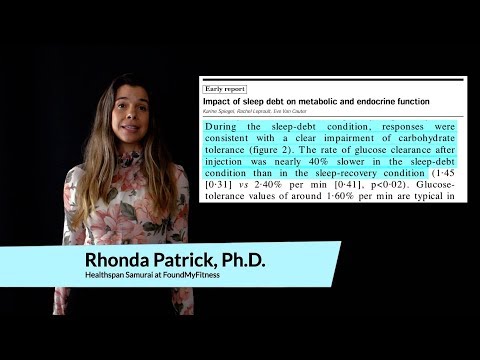
“When most people think about certain lifestyle factors that affect insulin sensitivity and blood glucose levels, they think about macronutrient composition, or calories, or fasting, or exercise (and lack of), but they don’t often think about sleep.”
Episode
“Based on findings from more recent studies using stable isotopes, which more accurately assess muscle protein anabolism and catabolism, Dr. Phillips believes that eating 1.2 to 1.6 grams of protein per kilogram of bodyweight (about 0.5 to 0.7 grams per pound) is likely optimal for muscle protein synthesis, especially as one ages.”
Episode
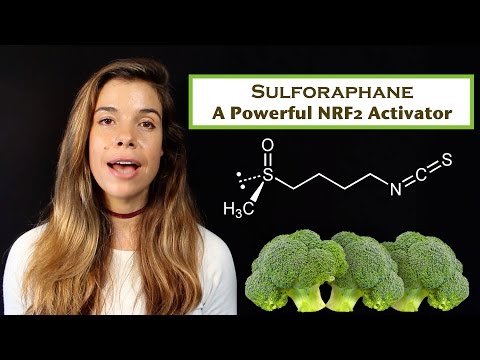
“There is so much to say when we talk about the NRF2 pathway and isothiocyanates like sulforaphane that we had to pack it into 47 minutes and break it into a few key sections. Key sections: For a more in-depth breakdown click the timeline link at the top of this page!”
Clip
“Human trials suggest that alpha-lipoic acid can modestly improve selected lipid measures. A dose-response meta-analysis of 12 studies found reductions in total cholesterol, LDL cholesterol, and triglycerides across doses from 300 to 1,200 milligrams per day.”