Q&A
Q&A #83: Does Glucosamine Worsen Alzheimer’s Disease?
Dr. Rhonda Patrick discusses glucosamine and Alzheimer's, blood flow restriction, beta-glucan fiber, creatine, collagen, red light therapy, and curcumin.
FoundMyFitness library
Ranked by shared topics, with one result from each original episode.
Q&A
Dr. Rhonda Patrick discusses glucosamine and Alzheimer's, blood flow restriction, beta-glucan fiber, creatine, collagen, red light therapy, and curcumin.
Q&A
Dr. Rhonda Patrick discusses sunscreen safety, HIIT & brain health, diet, omega-3s, urolithin A, sulforaphane, homocysteine, peptides, and CoQ10.
Episode
“In this episode, Rhonda gives a summary of the science of resveratrol including its effects in animals and humans, the mechanisms behind how it works, and the bottom line on resveratrol supplementation and safety. A few key moments... For a more in-depth timeline, as well as references for this episode, click the timeline tab. Learn more about resveratrol on our overview page”
Episode
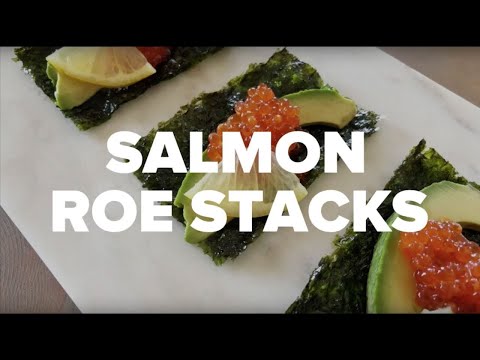
“Not only is salmon roe a good source of DHA, it also provides protein, vitamins, minerals, and astaxanthin – an antioxidant compound that gives salmon its reddish or pinkish tint. In human studies, astaxanthin reduces biomarkers of oxidative stress.”
Episode
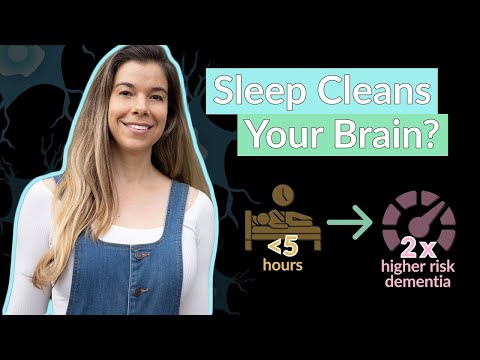
“Although scientists have identified other lifestyle behaviors that can help prevent the build-up of amyloid plaques by boosting the capacity for glymphatic clearance – such as exercise and adequate intake of omega-3 – the most important factor by far is a good night's sleep, especially deep sleep.”
Clip
“When a sauna is unavailable, Dr. Patrick describes a hot bath near 104°F for about 20 minutes with the shoulders submerged as an accessible alternative; this is her practical guidance rather than a claim that a bath reproduces the cohort outcomes.”
Clip
“Early human evidence includes local-heat studies during limb immobilization and biomarker studies after resistance training, but those results do not prove that whole-body sauna builds muscle or prevents age-related muscle loss.”
Clip
“A national survey analysis estimated 2.6% severe deficiency, 22% moderate deficiency, and 40.9% insufficiency among US adults, although prevalence changes with the threshold used. These categories should remain distinct because insufficiency is not the same as clinical deficiency.”
Episode
“A 12-month randomized controlled trial found that vitamin D supplementation improved cognitive function, intelligence quotient scores, telomere length, and lowered oxidative stress markers in older adults with mild cognitive impairment (compared to placebo), suggesting that not only does vitamin D supplementation improve biomarkers of aging, but also functional outcomes.”
Clip
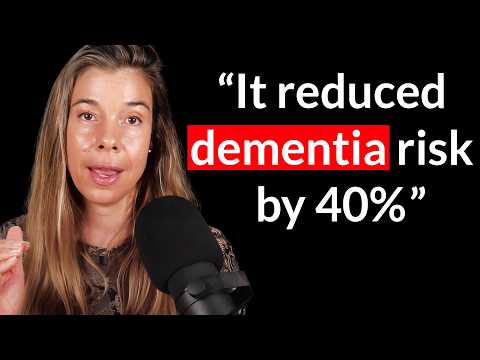
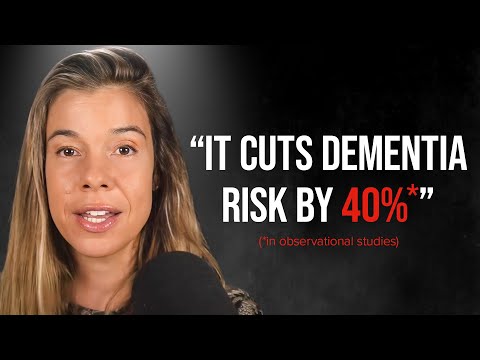
“A separate cohort of 12,388 adults associated vitamin D exposure with 40 percent lower dementia incidence, and a 12-month randomized trial of 183 older adults with mild cognitive impairment found improvements on several cognitive tests with 800 IU per day.”