• Episodes
  • Topics
  • AMA
  • Science Digest
  • The Aliquot
  • Genetics
Sign in Become a member
Search
Back to episode

FoundMyFitness library

Related Episodes for How Meal Composition May Affect Inflammation and Brain Fog

Ranked by shared topics, with one result from each original episode.

201
Clip
201 Clip Jul 15, 2019

Coffee and amino acids effect on fasting | Rhonda Patrick

Jul 15, 2019

“Time-restricted eating, a form of fasting that limits the period during which a person eats to a 12- to 16-hour window, capitalizes on the benefits associated with both fasting and optimization of the body's circadian biology.”


fasting circadian rhythm caffeine time-restricted eating
Watch clip
202
Clip
202 Clip Aug 1, 2024

Why Cold Water After Training Can Limit Muscle Adaptation

Aug 1, 2024

“Timing provides a practical compromise. Dr. van Loon favors protecting the first several hours after resistance or endurance training, then placing cold exposure later in the day or on a recovery day when muscle adaptation is the priority.”

cold stress exercise performance muscle
Watch clip
203
Episode
203 Episode Apr 1, 2022

Cold-Water Immersion and Cryotherapy: Neuroendocrine and Fat Browning Effects

Apr 1, 2022

“Other hormetic responses to cold exposure include increased production of PGC1-alpha, a protein that promotes mitochondrial biogenesis, the production of new, healthy mitochondria, and the activation of brown fat – a phenomenon once thought to occur only in newborns, but now known to occur in adults, especially after cold exposure.”

cold stress exercise brain metabolism
Play episode
204
Episode
204 Episode Jan 5, 2019

STUDY: Increasing sulforaphane bioavailability from broccoli through exogenous myrosinase.

Jan 5, 2019

“In this short video, Rhonda talks about the new study and suggests that if you prefer your cruciferous veggies steamed, sautéed, or roasted, this strategy might offer a way to have your cooked vegetables and get your sulforaphane, too.”

sulforaphane nutrition diet nrf2
Play episode
205
Clip
205 Clip Apr 9, 2025

How Creatine Supports the Brain During Stress and Sleep Loss

Apr 9, 2025

“The most compelling human signal appears when the brain is under acute strain. In a randomized crossover study, a single dose of 0.35 grams per kilogram during 21 hours of sleep deprivation changed cerebral energy metabolites and preserved selected measures of cognitive performance.”

brain sleep supplements aging
Watch clip
206
Clip
206 Clip Apr 8, 2026

Creatine for Brain Energy and Sleep Loss: What Small Trials Show

Apr 8, 2026

“A recent meta-analysis also found small benefits in selected cognitive domains, including memory and processing speed, with responses that may depend on age, diet, baseline stores, stress, dose, and the cognitive test used.”

brain sleep supplements creatine
Watch clip
207
Clip
207 Clip Aug 7, 2025

What Creatine Does for Muscle and the Brain

Aug 7, 2025

“A separate six-week randomized study in 30 healthy young adults found that neither 10 nor 20 grams per day improved the tested cognitive outcomes compared with placebo. The result is an important counterweight to the acute sleep-deprivation experiment.”

sleep brain supplements creatine
Watch clip
208
Episode
208 Episode Nov 8, 2017

Sleep, Daylight Anchoring, and Effects on Memory & Obesity with Dan Pardi

Nov 8, 2017

Dan Pardi: Ph.D. candidate studying sleep neurobiology at Stanford and University of Leiden, co-founder of Dan’s Plan online wellness company.

sleep brain alzheimer's cancer
Play episode
209
Episode
209 Episode Nov 10, 2026

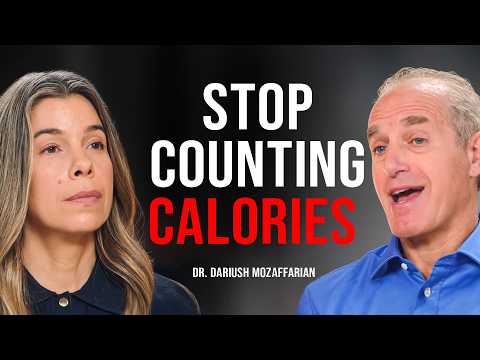
The Hype vs. Data on Saturated Fat, Red Meat, & Seed Oils | Dr. Dariush Mozaffarian

Nov 10, 2026

“Diet may also affect how much energy the body uses, with some studies suggesting that low-carbohydrate diets may increase total daily energy expenditure by up to 200 calories per day more than higher-carb diets when initiated after weight loss.”

nutrition cancer obesity microbiome
Play episode
210
Clip
210 Clip Nov 5, 2019

Default mode network is suppressed by meditation practice | Roland Griffiths

Nov 5, 2019

“Activity in the default mode network (DMN), a group of interacting brain regions implicated in self-related thinking, rumination, and depression, is suppressed by psilocybin and other psychedelic substances.”

meditation depression serotonin psychedelic
Watch clip
Load more related episodes

Explore More

  • Home
  • Episodes
  • Membership
  • The Aliquot
  • About
  • Healthspan Gear
  • Genetics

Our Mission

Promoting strategies to increase healthspan, well-being, cognitive and physical performance through deeper understandings of biology. Learn more about Dr. Rhonda Patrick.

Questions?

Send us a message here

Search

Follow us here

  • Instagram
  • Twitter
  • Facebook

Watch and listen

  • YouTube
  • Apple Podcasts
  • Spotify
This site is protected by reCAPTCHA and is subject to the Google Privacy Policy and Terms of Service, as well as our own Privacy Policy and Terms of Service.