Q&A
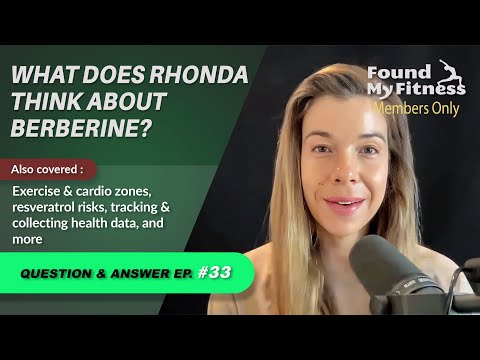
Q&A #33: Do Resveratrol and Berberine Blunt Exercise Benefits?—Plus Cardio Zones
Dr. Rhonda Patrick answers audience questions on various health, nutrition, and science topics in this Q&A session.
FoundMyFitness library
Ranked by shared topics, with one result from each original episode.
Q&A
Dr. Rhonda Patrick answers audience questions on various health, nutrition, and science topics in this Q&A session.
Q&A
Dr. Rhonda Patrick answers audience questions on various health, nutrition, and science topics in this Q&A session.

Q&A
Dr. Rhonda Patrick answers audience questions on various health, nutrition, and science topics in this Q&A session.
Q&A
Dr. Rhonda Patrick discusses if smoked salmon is carcinogenic, high-dose melatonin, creatine on workout vs. non-workout days, and the Neurocode brain scan.
Q&A
“This is a personal preparation example, not the high-dose oat regimen used in clinical research or a measured 3-gram beta-glucan serving. For the research on LDL cholesterol, microbial metabolites, and oat preparation, see Oats and beta-glucan.”
Clip
“In a small randomized crossover trial, a single high dose of creatine improved selected cognitive outcomes during acute sleep deprivation, adding context for her interest in higher doses during travel or sleep loss.”
Episode
“The fascinating way Dr. Panda is using human anecdote from his trial to ask new scientific questions he wouldn't think to ask and then going back to animal data to figure it out and how this unique approach forms a sort of closed loop pattern: animal → human feedback → back to animal for mechanism.”
Clip
“Lutein and zeaxanthin also have evidence in age-related eye disease, although the AREDS2 trial did not find an additional reduction in progression to advanced macular degeneration in its primary comparison. Magnesium and creatine address different needs.”
Clip
“Scientists are investigating the effects that Wim Hof's breathing methods have on the immune system. Study results showed that individuals trained in his breathing practices produced adrenaline when injected with a bacterial endotoxin, potentially affecting the immune response.”
Clip
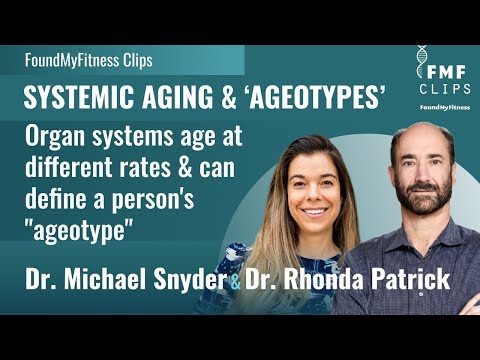
“In this clip, Dr. Michael Snyder discusses how people age in distinct ways and at varying rates and how knowing our "ageotype" might offer targets for preventing age-related diseases.”