Episode
Tim Ferriss on Biomarkers, Ketosis, Microbiome, and Lyme Disease
Tim Ferriss discusses ketosis, the gut microbiome, and monitoring biomarkers to promote performance.
FoundMyFitness library
Ranked by shared topics, with one result from each original episode.
Episode
Tim Ferriss discusses ketosis, the gut microbiome, and monitoring biomarkers to promote performance.
Clip
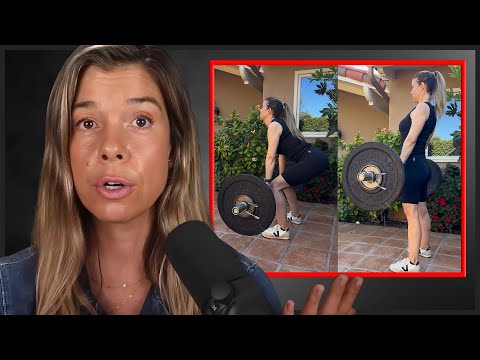
“In more than 2,000 adults ages 51 to 80, higher Sitting-Rising Test scores were associated with longer survival, making floor-transfer ability a useful marker of functional capacity. Floor time can include cross-legged sitting, kneeling, side-sitting, or sitting with the legs extended.”
Clip
“FGF21 is a preliminary liver-brain signal in this discussion. A small human laboratory study found a robust rise in serum FGF21 after a two-hour alcohol self-administration session in 16 people with alcohol use disorder; it did not test exercise or craving treatment.”
“In this Aliquot, Drs. Martin Gibala, Brad Schoenfeld, and Mark Mattson share their thoughts on the importance of resistance training and how its aerobic qualities boost cardiovascular health while optimizing your workout's time efficiency.”
“A key component in these processes is the lactate shuttle – a metabolic pathway that facilitates the movement of lactate between tissues so it can be used as an energy source, effectively recycling it and supporting sustained exercise performance.”
“In this Aliquot, cardiologist Ben Levine, nutritional scientist and champion powerlifter Layne Norton, and I discuss the importance of recovery, how best to approach it, and some surprising, often overlooked aspects of this important part of fitness.”
“Sodium keeps our hearts beating, our muscles moving, and our nerves firing—but it's also one of the most debated nutrients in health. While sodium is essential for survival, too much or too little can tip the scales toward problems like high blood pressure or fatigue.”
“In this Aliquot, Drs. Satchin Panda, Andrew Huberman, Layne Norton, Brad Schoenfeld, Martin Gibala, and I examine how circadian biology, training intensity, and life schedule shape exercise timing. We also explore what that means for deciding when to train.”
“It has attracted interest for its potential to activate mitophagy, the process cells use to clear out damaged mitochondria. In this Aliquot, I explain why mitochondrial cleanup matters for aging, why urolithin A production varies, and what early human studies suggest about its potential benefits.”
“The timing of eating and exercise, especially in elite athletes, hasn't been studied and may, in fact, require self-experimentation by the athletes to identify the perfect interval of fasting to support their optimal performance.”
