Q&A #69: Should You Take Low-Dose Lithium—and How Can You Lower Homocysteine?
Get these episodes in a convenient podcast format.
These live recorded Q&A episodes make great companion listening for a long drive. You can find these Q&A episodes alongside great interview aliquots and other special members-only episodes on The Aliquot, our official premium FoundMyFitness podcast.
In this Q&A, Dr. Rhonda Patrick discusses lithium microdosing, reducing homocysteine, aluminum and cancer, beta-alanine, and alpha-lipoic acid supplements. Timestamps include:
-
What are the benefits and risks of low-dose lithium supplementation?
-
How reliable is sleep tracker data?
-
What are the best ways to lower high homocysteine?
-
Do you have a deodorant recommendation?
-
What lifestyle factors can reduce APOE4-related disease risk?
Is low-dose lithium a promising approach for dementia prevention and treatment?
Lithium is best known for its mood-stabilizing effects, particularly in treating bipolar disorder. However, lithium's narrow therapeutic window—meaning the small margin between effective doses and toxic concentrations—has raised concerns about its use in other contexts. Therefore, there is increasing interest in the potential benefits of low-dose lithium in other health areas such as dementia prevention.[1]
Mechanistic insights: How might lithium protect the brain?
Lithium may support brain health by targeting several important biological pathways involved in Alzheimer's disease. Specifically, it may reduce harmful inflammation in the brain, block an enzyme called GSK-3β which is linked to nerve cell damage, and support brain health by promoting the growth of new nerve cells and production of protective brain chemicals.[2]
- ^ Fountoulakis, Konstantinos N; Tohen, Mauricio; Zarate, Carlos A (2022). Lithium Treatment Of Bipolar Disorder In Adults: A Systematic Review Of Randomized Trials And Meta-Analyses European Neuropsychopharmacology 54, .
- ^ H-F Wei; S Anchipolovsky; R Vera; G Liang; D-M Chuang (2022). Potential Mechanisms Underlying Lithium Treatment For Alzheimer's Disease And COVID-19. European Review For Medical And Pharmacological Sciences , .
-
Beginning of Q&A
-
Q: Is sauna a workout or a recovery tool? 1
-
-
Q: What wearables does Rhonda use and why? 1
-
Q: Are there reliable biomarkers to track lithium's brain effects?
-
Q: What is the best source of high-quality sulforaphane?
-
Q: How reliable is sleep tracker data? 1
-
-
-
-
Q: What is the safest way to get DNA analysis done?
-
Q: Does high folic acid intake increase cancer risk? 1
-
Q: Is homocysteine included in routine blood work?
-
-
Q: Do you have a deodorant recommendation?
-
-
-
-
-
-
Q: Should you avoid combining alpha-lipoic acid with berberine? 1
-
Q: Why does dairy consumption impede polyphenol absorption? 1
-
Q: Do tocotrienols blunt exercise gains like tocopherols do?
-
Q: Can pre-workout caffeine lower blood pressure?
-
Q: Does glutathione supplementation reduce your own production? 1
-
-
Q: Do CBS SNPs impair tolerance to sulfur-based supplements?
Every month, Rhonda hosts a live chat with FoundMyFitness Premium Members.
Don't miss the next one.
Watch previously recorded Q&As with Dr. Rhonda Patrick
Q&A #85: How Much Sugar Is Too Much—and Can Supplements Help Parkinson's?
Dr. Rhonda Patrick discusses urolithin A, postmenopausal protein, microplastics, high-temperature saunas, sugar intake, and supplements for Parkinson's disease.
Q&A #84: Chemical Sunscreen Safety—Plus What Rhonda Eats
Dr. Rhonda Patrick discusses sunscreen safety, HIIT & brain health, diet, omega-3s, urolithin A, sulforaphane, homocysteine, peptides, and CoQ10.
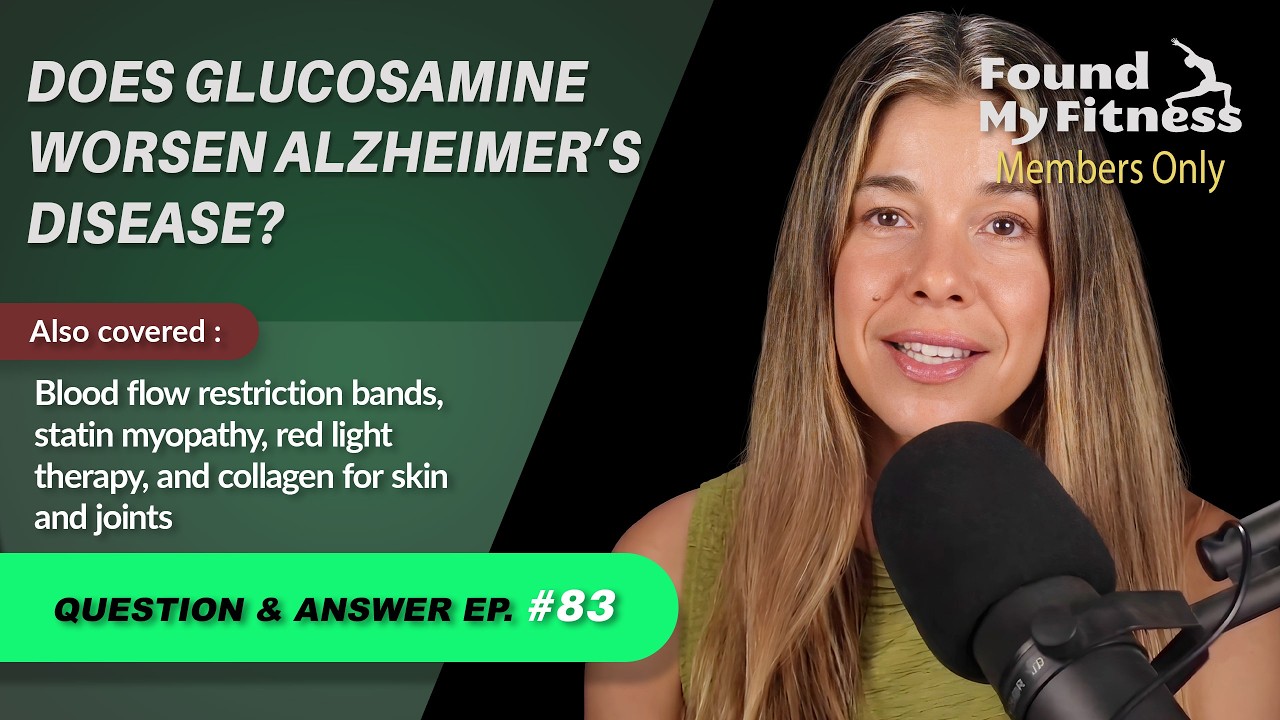
Q&A #83: Does Glucosamine Worsen Alzheimer’s Disease?
Dr. Rhonda Patrick discusses glucosamine and Alzheimer's, blood flow restriction, beta-glucan fiber, creatine, collagen, red light therapy, and curcumin.
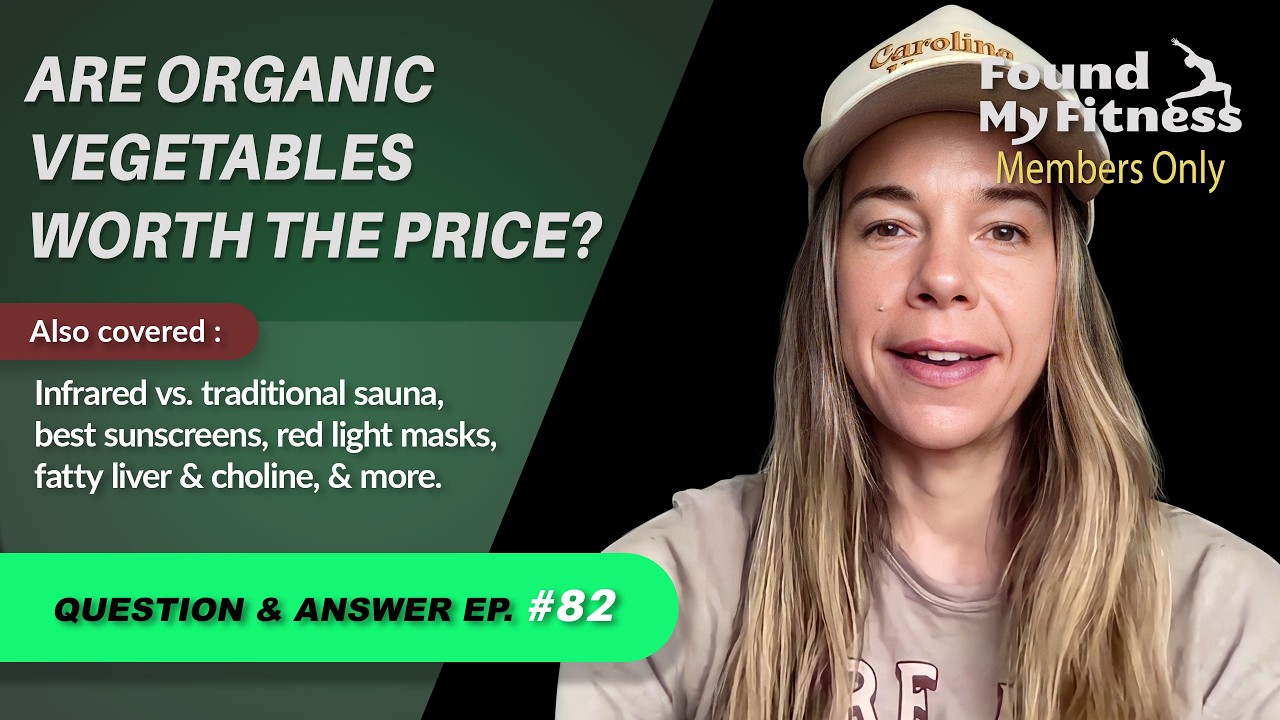
Q&A #82: Organic Food, Pesticides & Glyphosate—What Actually Lowers Exposure?
Dr. Rhonda Patrick discusses organic produce, fasting-mimicking diets, sleep, sauna, sunscreens, red light therapy, reverse osmosis water, and fiber.
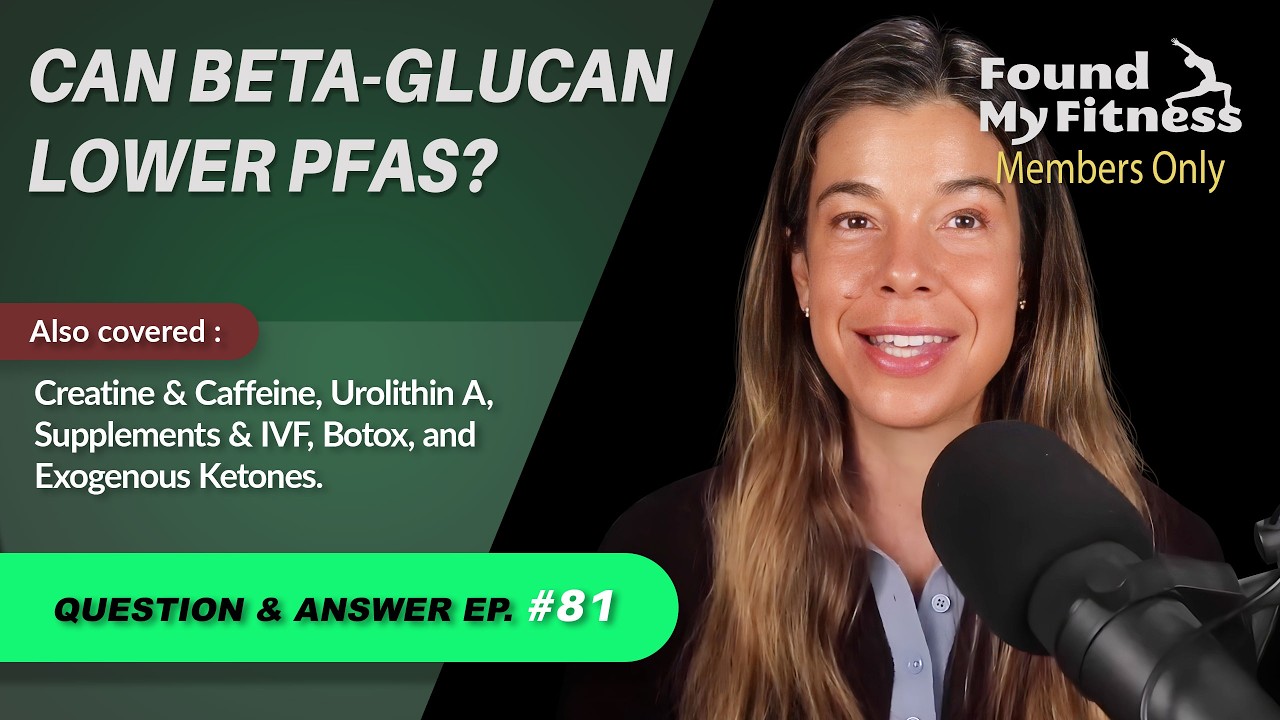
Q&A #81: Beta-Glucan vs. Psyllium—LDL Reduction, PFAS, & Gluten
Beta-glucan versus psyllium for lowering LDL, PFAS reduction, creatine and caffeine, urolithin A, exogenous ketones, IVF, Botox, and sauna.